

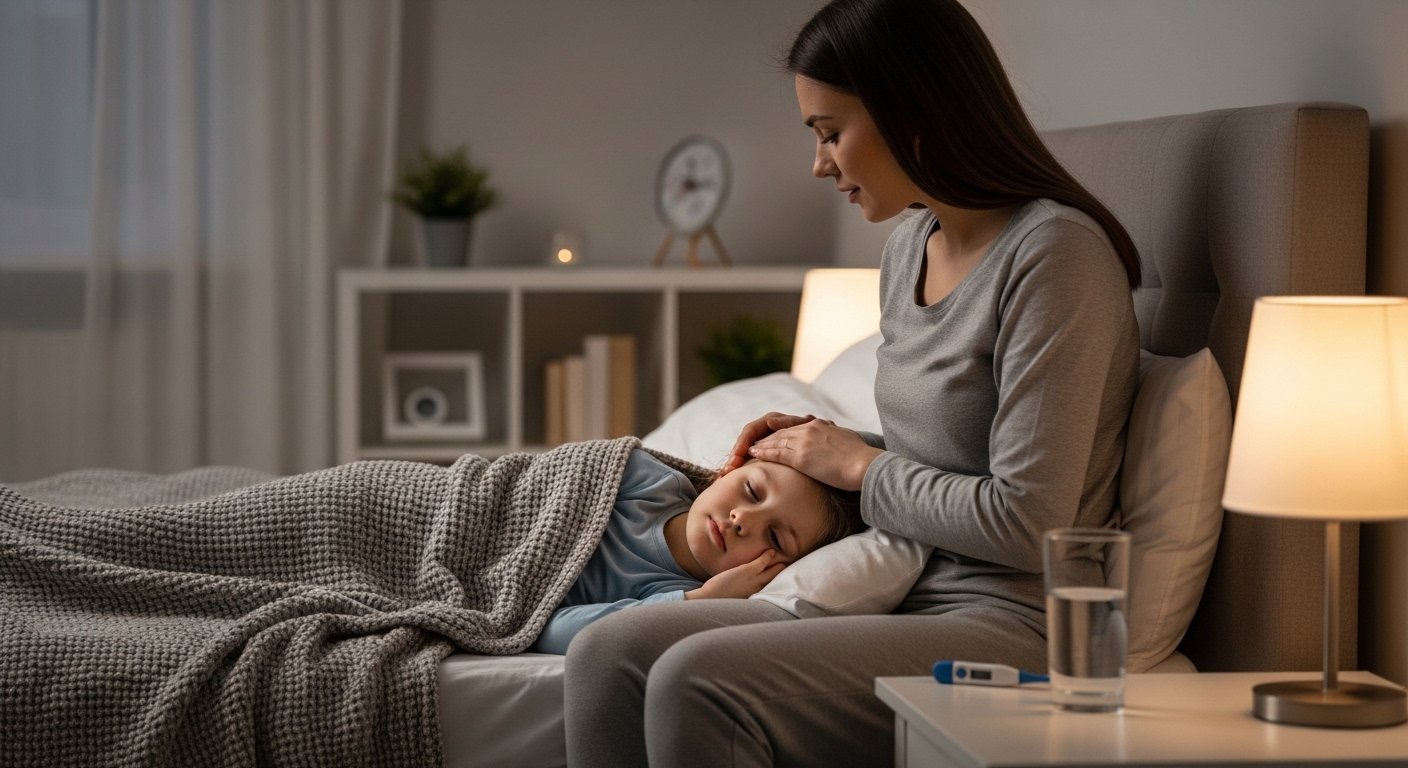
Watching your child develop a fever at night is one of the most stressful experiences for parents. The quiet of the night, limited access to immediate care, and uncertainty about what to do can make any parent feel worried.
Many parents in Sugar Land, Richmond, Katy, and Houston find themselves wondering if this is a serious issue and whether or not they should seek medical help immediately. If you’ve ever faced this situation, there’s no need to worry. Nighttime fevers are very common in children, and in most cases, they are the body’s natural response to an infection.
At Gentle Pediatrics in Sugar Land, we guide families through these moments and help them understand what’s normal, what to monitor, and when to take action. With the right knowledge, parents can feel more confident and calm when handling a child’s fever at night.
Below is a practical guide to help you understand and manage your child’s nighttime fever.
Understanding Fever in Children
A fever is not an illness itself. It is a sign that the body is fighting an infection. Most fevers in children are caused by common viral infections such as colds or flu.
A temperature is generally considered a fever when it reaches:
- 100.4°F or higher
It’s important to remember that fever is actually a protective response. It helps the immune system fight off bacteria and viruses more effectively.
Nighttime fevers can sometimes appear worse because:
- Body temperature naturally rises in the evening
- Children are resting, which makes symptoms more noticeable
- Parents are more alert and concerned at night
What Parents Should Do When a Child Has a Fever at Night
When your child has a fever at night, your goal is to keep them comfortable and to look for any concerning symptoms.
1. Stay Calm and Check the Temperature
The first step is to remain calm and take an accurate temperature using a digital thermometer.
- Check the temperature methodically
- Note the reading and time
- Avoid relying on touch alone
This helps you track whether the fever is rising, stable, or decreasing.
2. Focus on Comfort, Not Just the Number
Many parents worry about reducing the fever immediately. However, what matters most is how your child is feeling.
If your child is:
- Sleeping comfortably
- Drinking fluids
- Responsive when awake
Then the fever may not require aggressive treatment.
Ways to keep your child comfortable include:
- Dressing them in light clothing
- Using wearable sleep sacks for infants (avoid blankets in cribs to prevent SIDS)
- Keeping the room at a comfortable temperature
3. Offer Fluids Frequently
Fever can lead to fluid loss and dehydration, especially during the night.
Encourage small, frequent sips of:
- Water
- Breast milk or formula (for infants)
- Oral rehydration solutions
Signs your child is staying hydrated:
- Regular urination
- Moist lips and mouth
- Normal energy levels when awake
4. Use Fever-Reducing Medication if Needed
If your child is uncomfortable, pediatricians may recommend fever-reducing medications such as:
- Acetaminophen (Tylenol)
- Ibuprofen (for children older than 6 months)
Important tips:
- Always follow the correct dosage based on weight
- Avoid waking a sleeping child just to give medication unless advised
- Never give aspirin to children
Medication is meant to improve comfort, not just lower the temperature.
5. Let Your Child Rest
Sleep is one of the most important ways the body heals.
- Do not wake your child unnecessarily
- Allow uninterrupted sleep if they are comfortable
- Check on them periodically
Rest helps the immune system fight infection more effectively.
6. Monitor Symptoms Closely
Even if the fever itself is manageable, keep an eye on other symptoms that may develop.
Watch for:
- Persistent vomiting
- Difficulty breathing
- Rash
- Severe headache
- Unusual drowsiness
Tracking symptoms helps you decide whether medical care is needed.
Why Fevers Often Seem Worse at Night
Many parents notice that their child’s fever spikes during nighttime hours. This can feel alarming, but it is usually normal.
Reasons include:
- The body’s natural temperature cycle peaks in the evening
- Immune system activity increases at night
- Reduced distractions make symptoms more noticeable
While the fever may appear higher at night, it does not necessarily mean the illness is getting worse.
Common Causes of Nighttime Fever in Children
Viral Infections
The most common causes of fever in children include:
- Cold
- Flu
- Viral throat infections
These typically resolve on their own with rest and hydration.
Bacterial Infections
Sometimes fever may be due to bacterial infections such as:
- Ear infections
- Strep throat
- Urinary tract infections
These require antibiotic treatment, as bacterial infections do not resolve on their own, unlike viral infections.
Post-Vaccination Fever
Mild fever after vaccination is common and usually resolves within 24–48 hours.
How to Comfort a Child with a Fever at Night
A calm and comforting approach can make a big difference.
Helpful strategies include:
- Gently sponging with lukewarm water (avoid cold baths)
- Keeping the room quiet and soothing
- Offering cuddles and reassurance
- Keeping their sleep surface flat and firm
Avoid:
- Cold water baths (can cause shivering)
- Overdressing your child
- Forcing food
Focus on comfort and hydration.
When Parents Should Seek Medical Help for Fever
While most fevers are harmless, some situations require medical attention. But you should seek medical care if:
Fever in Infants Under 3 Months
Any fever in young infants should be evaluated immediately
High Fever
102°F+ if under age 2
104°F+ for older children
Fever Lasting More Than 2–3 Days
Persistent fever may indicate a more serious condition
Signs of Dehydration
- Dry mouth
- No tears when crying
- Fewer wet diapers
Difficulty Breathing
- Rapid breathing
- Chest retractions
- Wheezing
Unusual Behavior
- Extreme irritability
- Lethargy
- Difficulty waking
Seizures
Fever-related seizures (febrile seizures) need immediate evaluation
When to Go to Emergency Care at Night
Sometimes parents should not wait until morning.
Go to emergency care immediately if your child has:
- Trouble breathing
- Bluish lips or face
- Severe vomiting
- Stiff neck
- Unresponsiveness
- Seizures
- Persistent crying that cannot be soothed
Trust your instincts. If something feels wrong, seek care right away.
Preventing Nighttime Fevers
While it’s true that not all fevers can be prevented, building strong daily habits can reduce how often your child gets sick.
1. Keep Vaccinations Up to Date
Vaccinations are one of the most effective ways to protect your child from serious infections that can cause high fevers.
When children receive vaccines on time, their immune systems learn to recognize and fight harmful viruses and bacteria before they can cause severe illness.
Vaccines protect against conditions such as:
- Measles
- Influenza (flu)
- Whooping cough
- Pneumonia
- Meningitis
Without proper vaccination, children are more vulnerable to infections that often begin with fever, many of which can worsen at night.
It’s important to:
- Follow the recommended vaccination schedule
- Attend all well-child visits
- Speak with your pediatrician if any doses are missed
2. Encourage Regular Handwashing
Children frequently touch surfaces, toys, and their faces, making it easy for germs to spread, especially in schools, playgrounds, and daycare settings.
Teaching your child proper handwashing habits can greatly reduce exposure to viruses and bacteria that cause fever.
Encourage handwashing:
- Before eating
- After using the bathroom
- After playing outside
- After coughing, sneezing, or blowing their nose
Use soap and water, and make sure they wash for at least 20 seconds.
3. Avoid Close Contact with Sick Individuals
Many childhood illnesses spread through close contact, especially respiratory infections like colds and flu.
If someone in the household or school is sick, children can easily catch the infection through:
- Coughing or sneezing
- Sharing utensils or toys
- Physical contact
To reduce risk:
- Keep your child at a safe distance from sick individuals when possible
- Avoid sharing cups, bottles, or food
- Clean commonly touched surfaces regularly
- Teach children to cover their mouths when coughing or sneezing
4. Maintain a Healthy Diet and Sleep Routine
A strong immune system is the body’s best defense against infections, and it starts with proper nutrition and rest.
Children need a balanced diet to support their immune system. This includes:
- Fruits and vegetables rich in vitamins
- Whole grains for sustained energy
- Protein sources like eggs, dairy, beans, or lean meats
- Adequate hydration throughout the day
To support healthy sleep:
- Maintain a consistent bedtime routine
- Ensure age-appropriate sleep duration
- Limit screen time before bed
- Create a calm and comfortable sleep environment
Pediatric Care and Support at Gentle Pediatrics
At Gentle Pediatrics in Sugar Land, we understand how stressful nighttime fevers can be for parents.
We provide comprehensive pediatric care, including:
- Fever evaluation and treatment
- Same-day sick visits
- Infection diagnosis and management
- Hydration and nutrition guidance
- Preventive care and vaccinations
- 24/7 guidance for urgent concerns
Our goal is to help parents feel confident and supported.
Pediatrician in Sugar Land Serving Nearby Communities
We proudly serve families from:
- Sugar Land
- Richmond
- Rosenberg
- Stafford
- Katy
- Houston
- Riverstone
- Telfair
- New Territory
If you are searching for a pediatrician near Sugar Land for a nighttime fever, our clinic is here to help.
Why Families Trust Gentle Pediatrics
Families choose Gentle Pediatrics because we focus on:
- Compassionate, child-centered care
- Clear communication with parents
- Evidence-based medical guidance
- Comfortable and friendly environment
- Strong, long-term relationships with families
We believe that informed parents make confident decisions for their children.
Final Thoughts for Parents
A child’s fever at night can feel frightening, especially when everything is quiet and uncertain. However, most fevers are a normal part of the body’s defense system.
The key is to stay calm, monitor your child’s symptoms, and focus on keeping them comfortable. Over time, you will become more confident in recognizing what is normal and when to seek help.
Remember, you don’t have to handle these situations alone. Pediatricians are here to guide you, answer your questions, and provide care whenever needed.
At Gentle Pediatrics, we are always here to support your family through every stage of your child’s health journey.
Schedule a Pediatric Visit for Fever Concerns
If your child frequently experiences fevers or you have concerns about nighttime symptoms, we’ve got you covered.
Contact us today to schedule a pediatric visit
Conveniently located in Sugar Land, Texas
Frequently Asked Questions
1. Should I wake my child if they have a fever at night?
If your child is sleeping comfortably, there is usually no need to wake them up. Rest is very important for recovery. However, do check on them periodically.
2. What temperature is dangerous for a child?
A fever above 102–104°F may require closer monitoring. Any fever in infants under 3 months should be evaluated immediately.
3. Can I let my child sleep with a fever?
Yes, as long as they are breathing comfortably and not showing concerning symptoms.
4. How often should I check my child’s temperature at night?
You can check it every few hours, or if your child wakes up and seems uncomfortable.
5. When should I go to the emergency room for a child’s fever?
Go immediately if your child has breathing difficulty, seizures, bluish skin (cyanosis), or is unresponsive.