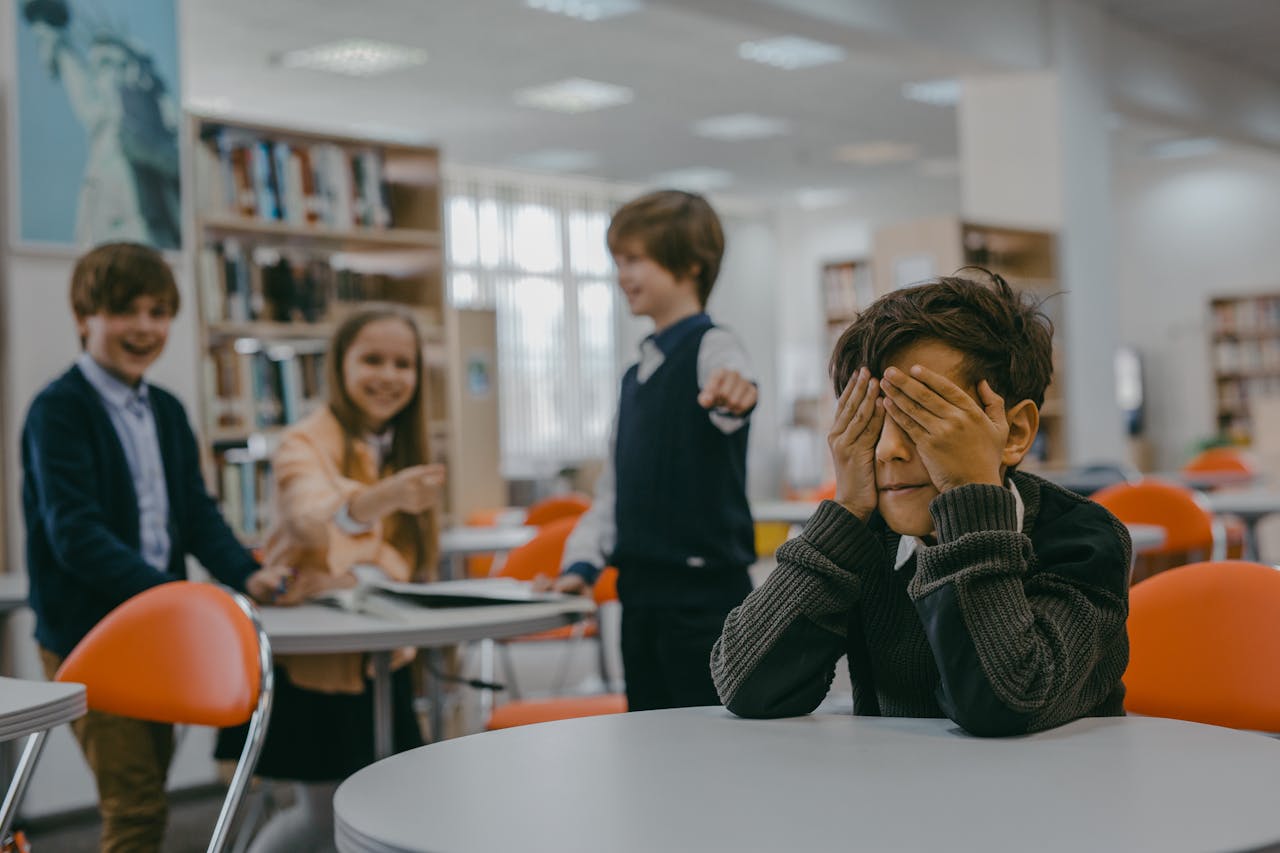
Many children adapt to poor eye vision without realizing it. The earlier you detect hidden vision problems, the easier they are to correct.
Clinical research shows that about 80% of learning in a classroom happens through vision. Standard screenings only check distance vision, which means many deeper issues go unnoticed. Around 60% of children labeled as “problem learners” may actually be dealing with hidden visual processing difficulties rather than a lack of ability or effort. For example, children with uncorrected farsightedness often struggle to focus on near tasks like reading. And this makes children 3 times more likely to fail literacy benchmarks by third grade.
When these hidden vision issues are properly identified and corrected, children no longer need to strain or compensate while learning. This can free up a significant amount of mental energy, sometimes as much as 40 percent of their cognitive effort.
Consistently missing key nutrients like iron and calcium can affect your child’s physical and cognitive development. Deficiencies may lead to fatigue, weak bones, delayed growth, and even long-term health complications if not addressed early.
Poor nutrition directly impacts the immune system. Without essential vitamins and minerals, your child may fall sick more frequently, take longer to recover, and struggle to build strong natural defenses against common infections.
Inadequate nutrition can affect brain function, concentration, and energy levels. Children may find it harder to focus in school, feel tired throughout the day, and struggle with memory, learning, and overall academic performance.
Unhealthy eating patterns in childhood can increase the risk of obesity, diabetes, and heart-related conditions later in life. Early nutrition habits often carry into adulthood, making prevention far more effective than correction later.
When children have vision problems, they rarely say things look blurry. For them, their vision feels normal because they have never experienced anything different. Instead, these issues show up through small habits, body language, or avoidance of certain tasks.
They squint while watching TV, reading signs, or playing sports. This habit is often linked to refractive errors like Myopia or astigmatism.
They tilt their head, lean to one side, or cover one eye while focusing. This can be a sign of Strabismus or double vision.
They complain of headaches after school or after reading. Conditions like Convergence Insufficiency or extended screen use can overwork the eye muscles.
They use a finger to maintain their place while reading. It is pretty normal, but if it continues beyond early grades, it may indicate difficulty with eye tracking.
When children have vision problems, they rarely say things look blurry. For them, their vision feels normal because they have never experienced anything different. Instead, these issues show up through small habits, body language, or avoidance of certain tasks.
They squint while watching TV, reading signs, or playing sports. This habit is often linked to refractive errors like Myopia or astigmatism.
They tilt their head, lean to one side, or cover one eye while focusing. This can be a sign of Strabismus or double vision.
They complain of headaches after school or after reading. Conditions like Convergence Insufficiency or extended screen use can overwork the eye muscles.
They use a finger to maintain their place while reading. It is pretty normal, but if it continues beyond early grades, it may indicate difficulty with eye tracking.
They avoid near-work activities (drawing, reading, puzzles, or homework), which may be due to discomfort or confusion from vision issues. This behavior is often mistaken for laziness or lack of interest, when it is actually a response to ongoing visual strain and frustration.
We know kids can be nervous about "the eye doctor." Dr. Hasnain’s approach is built on comfort and goes much deeper. We use advanced, non-invasive screening tools that take less than 60 seconds, yet reveal how a child’s entire visual system is working. You receive a full digital report and a clear explanation of whether your child needs a specialist or simple lifestyle adjustments.
We check for common vision problems such as nearsightedness, farsightedness, and astigmatism. These conditions affect how clearly a child can see objects at different distances. Even mild issues can make reading from the board or focusing on books difficult.
We assess how well both eyes are aligned and working together. Conditions like Strabismus, where the eyes do not point in the same direction, can lead to double vision or the brain ignoring input from one eye. If left untreated, this may result in long-term vision problems such as lazy eye.
This part of the screening evaluates how the pupils respond to light and visual stimuli. It may seem simple, but it provides important insight into how well the eyes and brain are communicating. Abnormal responses can sometimes point to underlying neurological or functional issues that need further attention.
We study how the eyes move, track, and work together while focusing on objects. This is especially important for reading, where the eyes must move smoothly across lines of text without skipping or losing place. Strong tracking and eye teaming also play a key role in sports and hand-eye coordination.
As a board-certified pediatrician with over 20 years of experience, Dr. Shahid Hasnain understands that clear vision is a key part of a child’s growth and learning. His experience as a former Chief Resident, along with his Master’s in Public Health, allows him to look beyond obvious symptoms and identify hidden challenges.
He carefully evaluates how a child’s eyes work together as a complete system. Known for his calm and gentle approach, Dr. Hasnain makes the entire screening process comfortable and stress-free for children. He understands that a relaxed child gives more accurate results. By combining clinical expertise with compassionate care, he ensures that every child in Sugar Land receives the clarity and support they need.

School screenings usually check only distance vision, such as reading the 20/20 line. While this is helpful, it does not measure how the eyes work together, how they track across a page, or how well a child focuses on near tasks like reading and writing. These are the skills children use every day in the classroom. A more detailed screening looks at the full picture of visual function, helping identify issues that are often missed but can directly affect learning and attention.
The American Academy of Pediatrics recommends formal vision screenings starting at age 3. However, earlier checks are important if you notice signs like eye crossing, squinting, or delayed visual response. Modern screening tools allow safe and non-invasive evaluations even for infants as young as 6 months, helping detect concerns before they begin to impact development.
Yes, in some cases. Conditions like Convergence Insufficiency can make it difficult for the eyes to work together during close tasks. This can lead to restlessness, poor focus, and frustration during reading. These signs often look very similar to ADHD, which is why some children are misidentified when the root cause is actually visual. Addressing the vision issue can significantly improve attention and comfort.
The screening is quick and completely comfortable. It usually takes less than 60 seconds and uses digital tools that do not touch the eye. There are no uncomfortable or painful tests or loud equipment. This makes it ideal for young children, including those who may feel anxious or have trouble sitting still.
Some signs are easy to miss because children may not complain directly. Watch for frequent headaches after school, tilting the head while reading, using a finger to follow text, closing one eye to focus, or avoiding activities like reading, drawing, or puzzles. These behaviors often indicate that a child is working harder than usual to see clearly.
Yes. Amblyopia is one of the most important conditions we screen for. It is a leading cause of vision loss in children and often develops without obvious symptoms. Early detection, especially before the age of 7, greatly improves the chances of full recovery and normal visual development.
You can schedule a vision screening by calling us at (832) 222-5437. Our team will help you find a convenient time for your child’s comprehensive eye health evaluation.
Prepare your child by explaining the process in a fun, simple way. Bring their medical history and any notes on vision concerns to help our specialists provide a thorough evaluation.
Don't let a hidden vision struggle look like a learning disability. At Gentle Pediatrics, Dr. Shahid Hasnain uses advanced screening technology to ensure your child’s eyes are classroom-ready.Located conveniently in Sugar Land.
Copyrights © 2017 – 2026 Gentle Pediatrics, PLLC. All Rights Reserved. Marketing by Cogent Datamatics & Consulting LLC