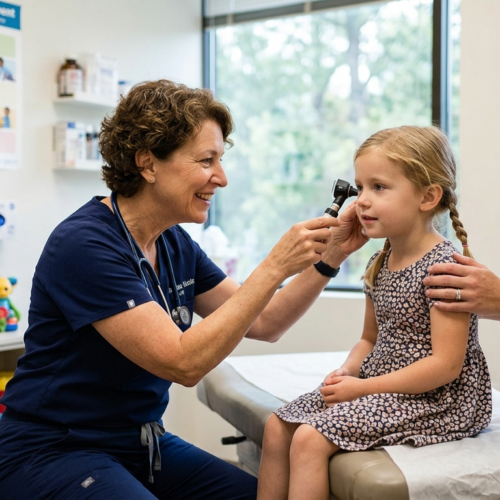
Before your child’s first visit, please complete the new patient forms listed below and bring them with you to the appointment. pediatrics in Sugarland
If you need more assistance, then kindly call us at 832-222-5437.
Latest News
Stay Informed with Our Latest Blogs and Health Tips! Discover expert advice and helpful insights to support your child's well-being and development. Follow along for valuable resources and updates.
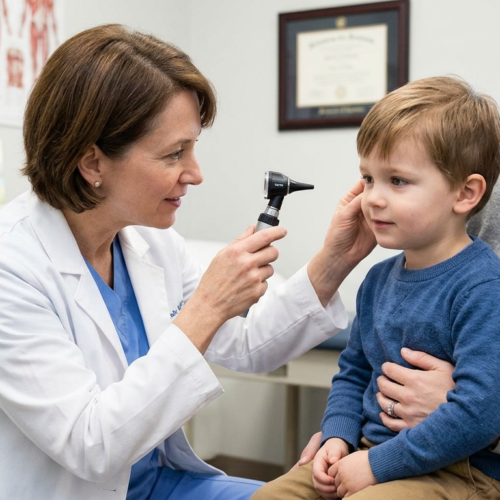
Quick Answer: Frequent ear infections can sometimes affect a child’s speech and language development, especially when fluid builds up behind the eardrum and causes temporary hearing difficulties. Signs may include...
Quick Answer: Frequent headaches in children can result from dehydration, missed meals, poor sleep, stress, migraines, vision problems, infections, or medication overuse. Parents can help by encouraging healthy routines, adequate...
Quick Answer: Excessive screen time, especially before bedtime, can disrupt children’s sleep, affect attention and learning, and contribute to irritability or emotional outbursts. Parents can encourage healthier habits by setting...
Quick Answer: Sugar Land parents can prepare their child for a pediatric appointment by explaining the visit in age-appropriate language, writing down questions and symptoms, and bringing medical records, medication...
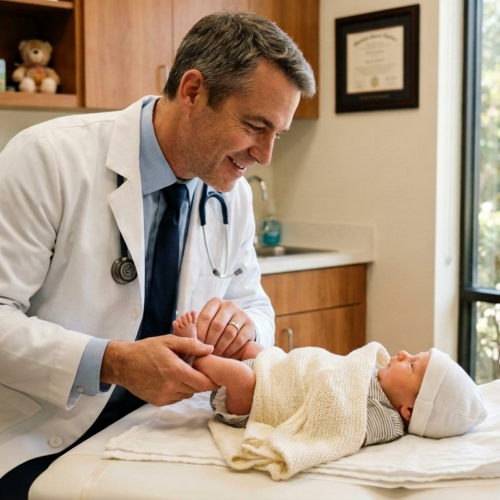
Quick Answer: Newborn jaundice and small amounts of spit-up are common, but worsening jaundice, jaundice in the first 24 hours, poor feeding, forceful vomiting, or unusual sleepiness need medical attention....
Quick Answer: Teenagers go through many physical, emotional, and behavioral changes, most of which are normal. Parents should watch for significant or persistent changes in growth, weight, eating habits, sleep,...
Quick Answer: If your child is always tired, the cause may be simple, such as not getting enough sleep, poor sleep quality, an unbalanced diet, dehydration, or recovery from an...
Quick Answer: Frequent colds are usually a normal part of childhood, especially for children in daycare, school, or with siblings. Kids can catch different viruses before fully recovering from the...
Quick Answer: If your 18-month-old is not walking independently, it is worth discussing with your pediatrician, although it does not automatically mean something is seriously wrong. Children develop at...
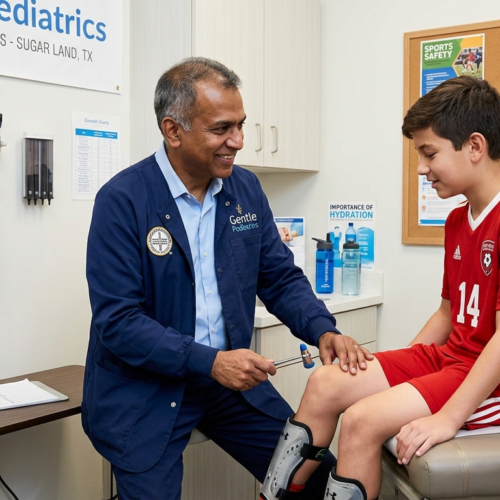
Quick Answer: Parents can help prevent many sports injuries by making sure children get a sports physical, warm up properly, use well-fitted protective equipment, learn safe techniques, stay hydrated, eat...
Quick Answer: A same-day pediatric appointment gives parents a timely way to have new, worsening, or concerning nonemergency symptoms evaluated by a pediatrician. It can help clarify the cause of...
Quick Answer: Teenagers have increased nutritional needs during rapid growth, making deficiencies in iron, calcium, vitamin D, zinc, and vitamin B12 common concerns. Skipping meals, restrictive diets, limited food variety,...
Quick Answer: Children may have a hearing problem if they do not react to loud sounds, turn toward voices, frequently say “What?” or “Huh?”, speak unclearly, struggle to follow directions,...
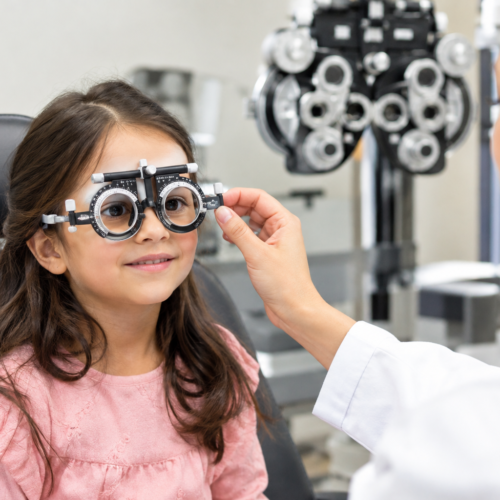
Quick Answer: Children’s vision should be checked regularly, starting in infancy and continuing throughout the school years. Routine vision screening can identify problems that children may not recognize or report....
Quick Answer: Nighttime itching in children can result from dry skin, eczema, contact dermatitis, insect bites, allergies, or scabies. Heat, sweating, dry air, and irritating products may make itching worse...
Quick Answer: Newborn checkups and well-child visits both support your child’s health, but their focus changes with age. Newborn checkups, typically during the first days and weeks, focus on feeding,...
Quick Answer: Parents should pay attention to persistent or unusual changes in their child’s energy, appetite, sleep, behavior, development, growth, breathing, bathroom habits, or pain. While occasional changes are normal,...
Quick Answer: Most childhood sports injuries are minor, but severe or worsening pain, significant swelling, inability to walk or use an injured body part, bone tenderness, deformity, or persistent symptoms...
Quick Answer: Most healthy children can get enough protein from a balanced diet without protein powders or supplements. Daily needs increase with age, from about 13 grams for toddlers to...
Quick Answer: Both pediatricians and family physicians can provide high-quality healthcare for children. Pediatricians focus specifically on the health, development, and well-being of infants, children, and adolescents, while family physicians...