

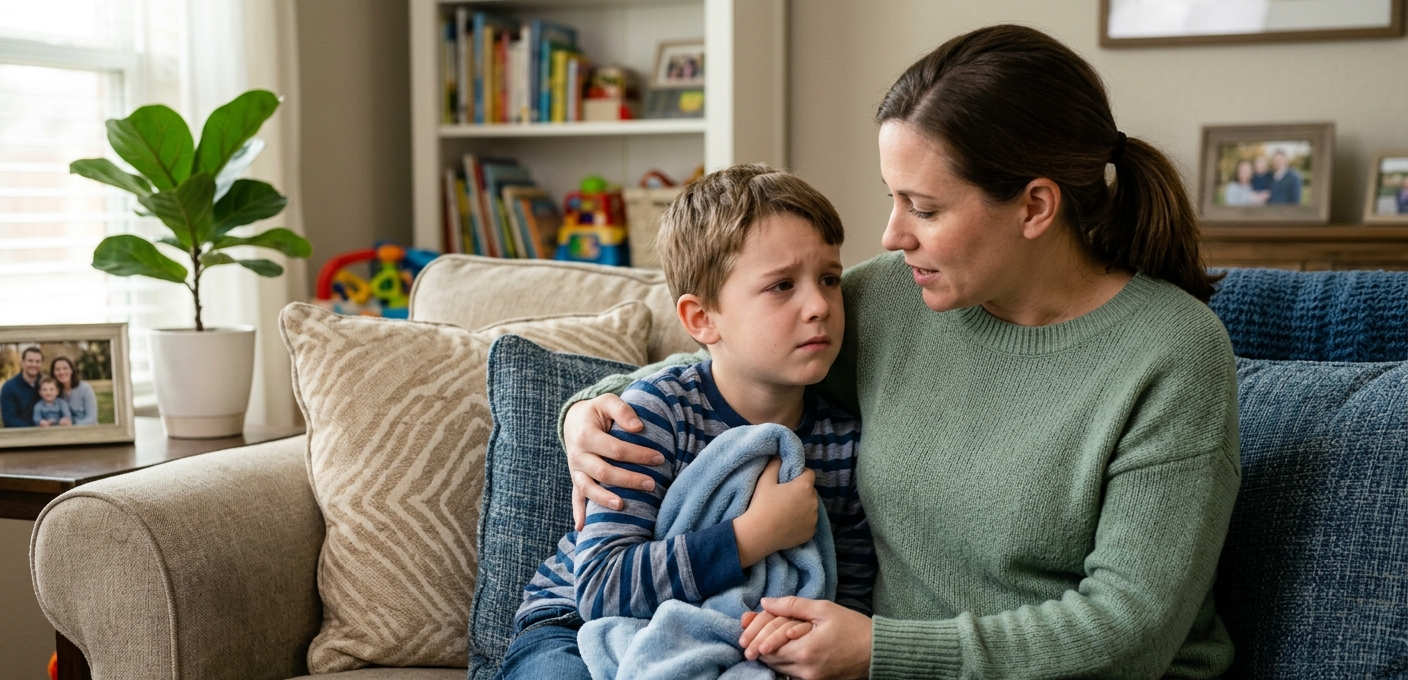
It’s completely normal for children to feel worried from time to time. When it’s their first day of school, a test, or when they are just trying something new, occasional anxiety is natural.
But when worry becomes frequent, intense, or starts interfering with your child’s daily life, it may be more than just a passing phase.
As a parent, it can be difficult to tell the difference between typical fears and anxiety that needs attention. You might notice changes in your child’s mood, sleep, or behavior and wonder what’s really going on. The good news is that anxiety in children is common and manageable. With the right support, children can learn to cope with their worries and feel more confident in their daily lives.
At Gentle Pediatrics, we provide compassionate child healthcare in Sugar Land and help families understand and manage emotional health concerns like anxiety. And in this guide, we will break down how you can recognize anxiety in your child and support them.
What Is Anxiety in Children?
Anxiety is a feeling of worry, fear, or nervousness. In children, it often shows up as a response to situations that feel uncertain or overwhelming.
Some level of anxiety is normal and even helpful, as it can motivate children to prepare, stay alert, and handle challenges.
However, anxiety becomes a concern when it:
- Happens frequently
- Feels intense or overwhelming
- Triggers a “fight, flight, or freeze” response in situations that aren’t actually dangerous
- Interferes with school, sleep, or daily activities
Understanding these patterns can help you recognize when your child may need extra support.
Common Causes of Anxiety in Kids
Children may not always express their worries directly. Anxiety can build up in different areas of their lives.
School-Related Pressure
Children may feel anxious about:
- Tests and grades
- Homework
- Speaking in class
- Meeting expectations
Social Situations
Friendships and peer relationships can be a major source of stress.
Children may worry about:
- Making friends
- Being accepted
- Social conflicts or bullying
Changes and Transitions
New environments or routines can trigger anxiety, such as:
- Starting a new school
- Moving to a new home
- Changes in family dynamics
Fear of the Unknown
Some children feel anxious about situations they cannot predict or control.
Family Stress
Children can sense stress at home, which may affect their emotional well-being.
Signs and Symptoms of Anxiety
Anxiety doesn’t always look the same in every child. Some children express it clearly, while others show subtle signs.
Emotional Signs
- Excessive worry or fear
- Irritability or mood swings
- Feeling overwhelmed easily
- Frequent crying
Physical Symptoms (Somatic Complaints)
We often see children with “somatic” symptoms, which means physical pain triggered by emotional distress.
Watch for:
- Frequent headaches or stomach aches, especially on school mornings
- A “racing heart,” shortness of breath, or dizziness
- Nail-biting, hair-pulling, or other repetitive nervous habits
- Fatigue caused by poor sleep quality
Behavioral Signs
- School Refusal (intense distress or physical illness when it’s time to go to school)
- Clinginess or difficulty separating from parents beyond the toddler years
- Sudden outbursts of anger or “meltdowns” (anxiety can look like irritability in kids)
- Withdrawal from friends or favorite activities
If these symptoms persist, it may be helpful to seek guidance through pediatric care in Sugar Land.
How Anxiety Affects Daily Life
When anxiety becomes ongoing, it can impact multiple areas of your child’s life.
School Performance
Children may struggle to focus, complete assignments, or participate in class.
Social Development
Anxiety can make it harder to form friendships or engage in social activities.
Physical Health
Ongoing stress can affect sleep, appetite, and overall energy levels.
Emotional Well-Being
Children may feel frustrated, discouraged, or lack confidence.
How Parents Can Support a Child with Anxiety
Your support plays a crucial role in helping your child manage anxiety. Small, consistent actions can make a big difference.
Encourage Open Communication
Let your child know it’s okay to talk about their feelings.
You can:
- Ask gentle, open-ended questions
- Listen without interrupting
- Avoid dismissing their worries
Feeling heard and understood can reduce anxiety.
Validate Their Feelings
Instead of saying “don’t worry,” acknowledge their emotions. However, be careful not to “accommodate” the anxiety by allowing your child to avoid the thing they fear.
- Validation: “I can see that you’re feeling nervous about the test.”
- The Goal: Acknowledge the feeling, but express confidence that they can handle the situation.
Validation helps children feel supported.
Teach Simple Coping Skills
Helping children learn how to calm themselves is essential.
Try:
- Square Breathing: Inhale for 4 seconds, hold for 4, exhale for 4, and hold for 4.
- The 5-4-3-2-1 Technique: Name 5 things you see, 4 you can touch, 3 you hear, 2 you smell, and 1 you can taste. This “grounds” the child in the present moment.
Maintain Consistent Routines
Predictable routines help children feel safe and secure.
Focus on:
- Regular meal times
- Consistent sleep schedules (AAP guidelines: 9–12 hours for school-aged children and 8–10 hours for teens)
- Structured daily activities
Encourage Gradual Exposure
Avoiding fears can sometimes make anxiety stronger.
Instead:
- Encourage small, manageable steps
- Support your child as they face challenges
- Celebrate progress
Limit Over-Scheduling
Too many activities can overwhelm children.
Make sure your child has:
- Time to relax
- Opportunities for free play
- Space to recharge
Helping Your Child Build Confidence
Confidence plays a key role in reducing anxiety.
You can help by:
- Praising effort rather than results
- Encouraging independence
- Allowing your child to make choices
- Recognizing their strengths
Over time, confidence helps children feel more capable of handling challenges.
The Role of Healthy Habits
Daily habits have a strong impact on emotional health.
Sleep
Adequate sleep helps regulate mood and reduce stress.
Nutrition
Balanced meals support energy and brain function.
Physical Activity
Regular movement helps release stress and improve mood.
When to Seek Professional Help
While many children benefit from support at home, some may need additional care.
Consider seeking child healthcare in Sugar Land if:
- Your child’s “somatic” symptoms (stomach aches/headaches) are preventing them from attending school
- The anxiety is causing significant weight loss or changes in eating habits
- Your child experiences “panic attacks” (sudden, intense physical fear)
Early support can help prevent anxiety from becoming more severe.
How Pediatric Care Can Help
Pediatricians play an important role in identifying and managing anxiety in children.
Through pediatric care in Sugar Land, families can receive:
- Evaluation of symptoms
- Guidance on coping strategies
- Support for healthy routines
- Referrals to specialists if needed
A comprehensive approach ensures that both physical and emotional needs are addressed.
Anxiety Support at Gentle Pediatrics in Sugar Land
At Gentle Pediatrics, we understand that emotional health is an important part of your child’s overall well-being.
Our approach includes:
- Comprehensive child healthcare in Sugar Land
- Evaluation of anxiety-related symptoms
- Guidance for parents and children
- Support for sleep, nutrition, and routines
- Coordination of care when additional support is needed
We work closely with families to create practical and supportive solutions.
Why Families Choose Gentle Pediatrics
Families across Sugar Land and the surrounding areas trust Gentle Pediatrics for compassionate care.
We focus on:
- Personalized attention for every child
- Clear communication with parents
- A supportive and welcoming environment
- Attention to emotional and physical health
- Long-term support for development
Our goal is to help children feel safe, confident, and supported.
Final Thoughts for Parents
Anxiety in children is more common than many parents realize, but it doesn’t have to control your child’s life. When you recognize the signs early and provide consistent support, you can help your child develop healthy ways to manage their worries.
Remember, progress takes time. With patience, understanding, and the right guidance, children can learn to face challenges with confidence. If you ever feel unsure, support from trusted pediatric care in Sugar Land can provide reassurance and direction.
At Gentle Pediatrics, we are here to help your child grow emotionally strong, resilient, and ready to thrive.
Schedule a Visit in Sugar Land
If your child is experiencing anxiety or emotional challenges, early support can make a meaningful difference.
Gentle Pediatrics proudly serves families in:
- Sugar Land
- Richmond
- Rosenberg
- Stafford
- Katy
- Houston
Gentle Pediatrics — Sugar Land, Texas
Call our office today at (832) 222-5437 to schedule an appointment and receive trusted, compassionate care for your child.
Frequently Asked Questions
1. Is anxiety normal in children?
Yes, occasional anxiety is normal, but persistent or intense anxiety may need attention.
2. How can I help my child with anxiety at home?
Encourage open communication, maintain routines, and teach simple coping strategies.
3. Can anxiety affect my child’s physical health?
Yes, it can lead to symptoms like headaches, stomach aches, and sleep issues.
4. When should I seek professional help?
If anxiety interferes with daily life or persists over time, it’s best to consult a pediatric provider.
5. Can anxiety be treated?
Yes, with the right support and strategies, children can learn to manage anxiety effectively.