
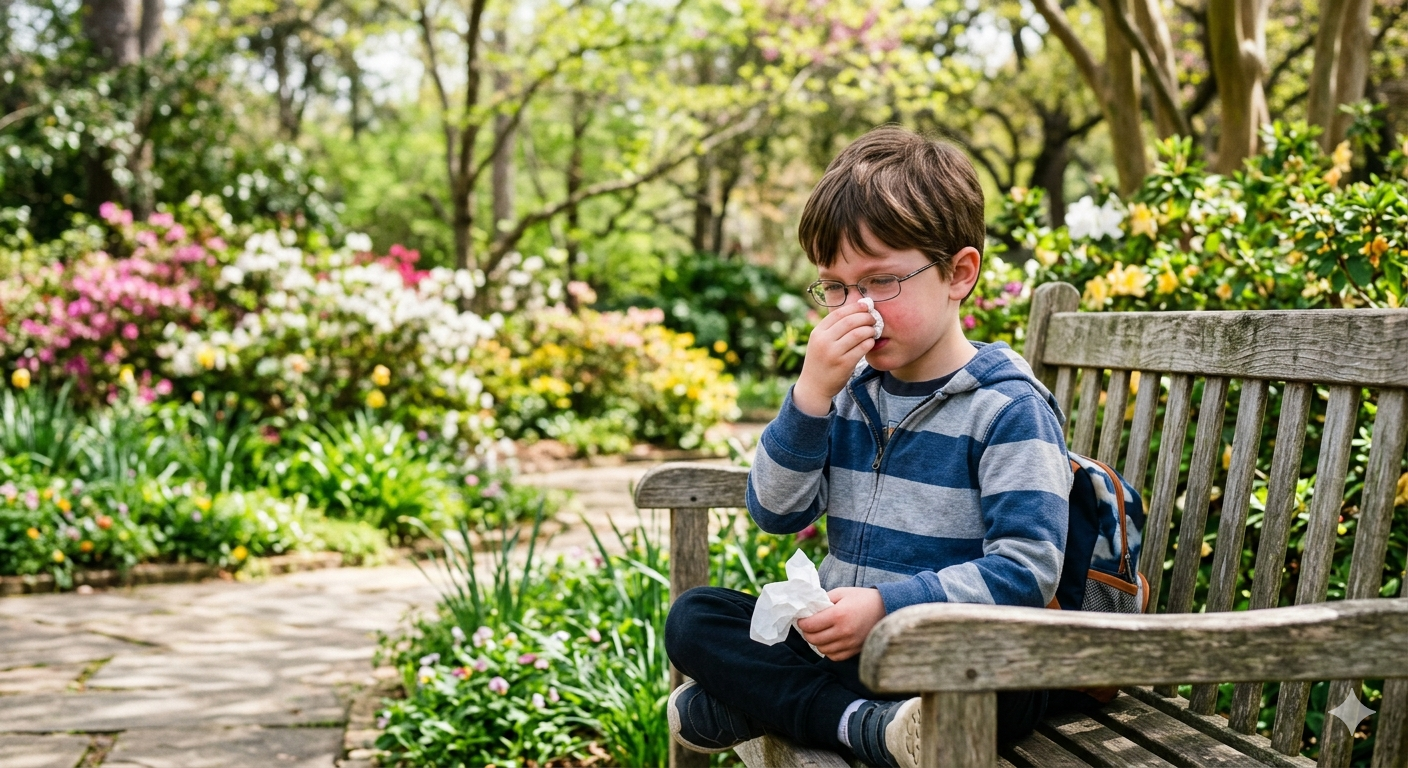
Seasonal allergies are one of the most common health concerns affecting children, especially during certain times of the year when pollen levels rise. While some children may only experience mild symptoms, others can struggle with ongoing discomfort that affects sleep, school performance, outdoor activities, and overall well-being.
For many parents, it can be difficult to tell whether their child has a common cold or seasonal allergies. Symptoms like sneezing, congestion, and watery eyes often overlap, making it confusing to know what’s causing the problem.
The good news is that seasonal allergies can be managed effectively with the right care, prevention strategies, and medical guidance. Understanding the signs and knowing when to seek help can make a significant difference in your child’s comfort and quality of life.
At Gentle Pediatrics, families visit our trusted child allergy specialist in Sugar Land for help. In this guide, we will break down the diagnosis and management of allergy symptoms in children.
What Are Seasonal Allergies?
Seasonal allergies, or Allergic Rhinitis, occur when the immune system overreacts to harmless environmental particles.
- Unlike a cold, allergies are an overactive immune response, not a viral infection.
- The body releases histamine, which triggers the classic itching and swelling parents see.
These allergies are not contagious, but they can make children feel uncomfortable for weeks or even months during allergy season.
Common Seasonal Allergy Triggers in Sugar Land
In Sugar Land and the surrounding areas, warm weather and changing seasons can increase exposure to allergens.
Common triggers include:
- Tree pollen in spring
- Grass pollen during late spring and summer
- Weed pollen in the fall
- Mold spores during humid weather
Children who spend a lot of time outdoors may experience more noticeable symptoms during peak allergy seasons.
Signs and Symptoms of Seasonal Allergies in Children
Seasonal allergies can affect children differently. Some may have mild symptoms, while others experience more persistent discomfort.
1. Sneezing
Frequent sneezing is one of the most common signs of allergies.
2. Clear Nasal Drainage
In allergies, mucus is almost always thin and clear. If it is thick, yellow, or green, it is more likely a viral or bacterial infection.
3. Itchy Eyes, Nose, or Throat
Itching is a key symptom that often helps distinguish allergies from a cold.
4. Watery or Red Eyes
Allergies can irritate the eyes and cause tearing or redness.
5. Coughing
Postnasal drip caused by allergies may trigger coughing, especially at night.
6. Fatigue
Poor sleep due to congestion or coughing can leave children feeling tired during the day.
If symptoms continue for several weeks or return during the same season each year, it may be time to consult a seasonal allergies pediatrician in Sugar Land.
Seasonal Allergies vs. Common Cold
Many parents confuse allergies with viral infections because symptoms can look similar.
Here are some differences:
Seasonal Allergies:
- Symptoms last for weeks
- Usually no fever
- Itching is common
- Symptoms may worsen outdoors
Common Cold:
- Usually lasts 7–10 days
- Fever may occur
- Body aches may be present
- Symptoms gradually improve
If you are unsure, a child allergy specialist in Sugar Land can help determine the cause of your child’s symptoms.
How Seasonal Allergies Affect Children
Allergies may seem minor at first, but ongoing symptoms can impact many areas of a child’s life.
1. Sleep Problems
Congestion and coughing can interfere with restful sleep.
2. Difficulty Concentrating
Children who are tired or uncomfortable may struggle to focus in school.
3. Reduced Outdoor Activity
Children may avoid sports or outdoor play because their symptoms worsen outside.
4. Irritability and Mood Changes
Constant discomfort can make children feel frustrated or irritable.
When Should Parents Seek Medical Care?
Mild seasonal allergies can often be managed at home, but some children need additional support.
You should consider seeing a seasonal allergies pediatrician in Sugar Land if your child:
- Has symptoms lasting several weeks
- Experiences frequent coughing or wheezing
- Has trouble sleeping due to allergies
- Misses school or activities
- Does not improve with basic home care
Early treatment can help prevent symptoms from becoming more severe.
How Seasonal Allergies Are Diagnosed
Diagnosis usually begins with a detailed discussion about your child’s symptoms and medical history.
Your pediatrician may ask:
- When symptoms occur
- Whether symptoms worsen outdoors
- Family history of allergies or asthma
In some cases, allergy testing may be recommended to identify specific triggers.
A thorough evaluation by a child allergy specialist in Sugar Land helps create an effective treatment plan.
Treatment Options for Seasonal Allergies
The goal of treatment is to reduce symptoms and improve your child’s comfort.
1. Allergy Medications
Depending on your child’s symptoms, treatment may include:
- Antihistamines
- Nasal sprays
- Eye drops
Your pediatrician will recommend options appropriate for your child’s age and symptoms.
2. Allergy Avoidance Strategies
Reducing exposure to allergens can make a big difference.
Helpful steps include:
- Keeping windows closed during high pollen days
- Using air conditioning when possible
- Showering after outdoor activities
- Washing bedding regularly
3. Monitoring Outdoor Exposure
Pollen counts are often higher:
- Early in the morning
- On windy days
Limiting outdoor activity during peak times may help reduce symptoms.
Helping Your Child Manage Allergies at Home
Simple daily habits can help children feel more comfortable during allergy season.
1. Keep Indoor Air Clean
- Use clean air filters
- Vacuum regularly
- Reduce dust buildup
2. Encourage Hand and Face Washing
Washing after outdoor play helps remove pollen from the skin and hair.
3. Maintain Hydration
Drinking plenty of fluids can help soothe throat irritation and thin mucus.
4. Follow Medication Instructions Carefully
Use medications exactly as directed by your pediatrician.
Can Seasonal Allergies Lead to Other Problems?
Yes. Untreated allergies may contribute to:
- Sinus infections
- Ear infections
- Asthma flare-ups
- Sleep difficulties
Managing allergies early can help reduce these risks.
Seasonal Allergies and Asthma
Children with allergies are sometimes more likely to develop asthma symptoms.
Watch for:
- Wheezing
- Shortness of breath
- Persistent coughing
If these symptoms occur, a medical evaluation is important.
Common Concerns Parents Often Have
Parents often have the following concerns:
1. Will My Child Outgrow Seasonal Allergies?
Some children improve with age, while others continue to experience allergies into adulthood.
2. Are Seasonal Allergies Serious?
While usually not dangerous, untreated allergies can affect sleep, school performance, and daily comfort.
3. Can Allergies Be Prevented?
You may not be able to prevent allergies completely, but reducing exposure to triggers can help manage symptoms.
4. Is It Safe for Children to Take Allergy Medication?
Yes, when recommended and monitored by a pediatrician.
Importance of Regular Pediatric Care
Regular visits with a seasonal allergies pediatrician in Sugar Land help ensure your child’s symptoms are properly managed.
Pediatric care may include:
- Monitoring symptoms over time
- Adjusting treatment plans
- Identifying possible asthma symptoms
- Providing preventive guidance
Consistent care helps children stay comfortable and active throughout allergy season.
Seasonal Allergy Care at Gentle Pediatrics in Sugar Land
At Gentle Pediatrics, we provide comprehensive allergy care for children of all ages.
Our approach focuses on:
- Evaluation of allergy symptoms
- Personalized treatment plans
- Guidance on allergy prevention
- Monitoring for asthma-related symptoms
- Ongoing support for families
As a trusted child allergy specialist in Sugar Land, we are committed to helping children breathe easier and feel better year-round.
Why Families Choose Gentle Pediatrics
Families across Sugar Land and nearby communities trust Gentle Pediatrics for compassionate pediatric care.
We aim to provide:
- Personalized care for every child
- Clear communication with parents
- Supportive and child-friendly visits
- Long-term health and wellness
- Preventive care and education
Our goal is to help children stay healthy, comfortable, and active.
Final Thoughts
Seasonal allergies can affect much more than just your child’s nose and eyes. They can impact sleep, concentration, school performance, and everyday comfort.
When you recognize symptoms early and take steps to reduce allergen exposure, you can help children manage allergy season more comfortably.
If symptoms become persistent or interfere with daily life, guidance from a trusted seasonal allergies pediatrician in Sugar Land can provide the support your child needs.
At Gentle Pediatrics, we are here to help your family navigate seasonal allergies with confidence and compassionate care.
Schedule a Visit in Sugar Land
If your child is struggling with seasonal allergies, early care can help improve comfort and daily life.
Gentle Pediatrics proudly serves families in:
• Sugar Land
• Richmond
• Rosenberg
• Stafford
• Katy
• Houston
Gentle Pediatrics — Sugar Land, Texas
Call our office today to schedule an appointment and receive trusted allergy care for your child.
Frequently Asked Questions
1. What are the most common signs of seasonal allergies in children?
Sneezing, congestion, itchy eyes, and a runny nose are common symptoms.
2. How can I tell if my child has allergies or a cold?
Allergies usually last longer and often include itching without fever.
3. When should I see a pediatrician for allergies?
If symptoms persist, affect sleep, or interfere with daily activities, medical evaluation is recommended.
4. Can seasonal allergies trigger asthma?
Yes, allergies can sometimes worsen asthma symptoms in children.
5. How can I reduce pollen exposure at home?
Keep windows closed, wash bedding regularly, and shower after outdoor activities.