
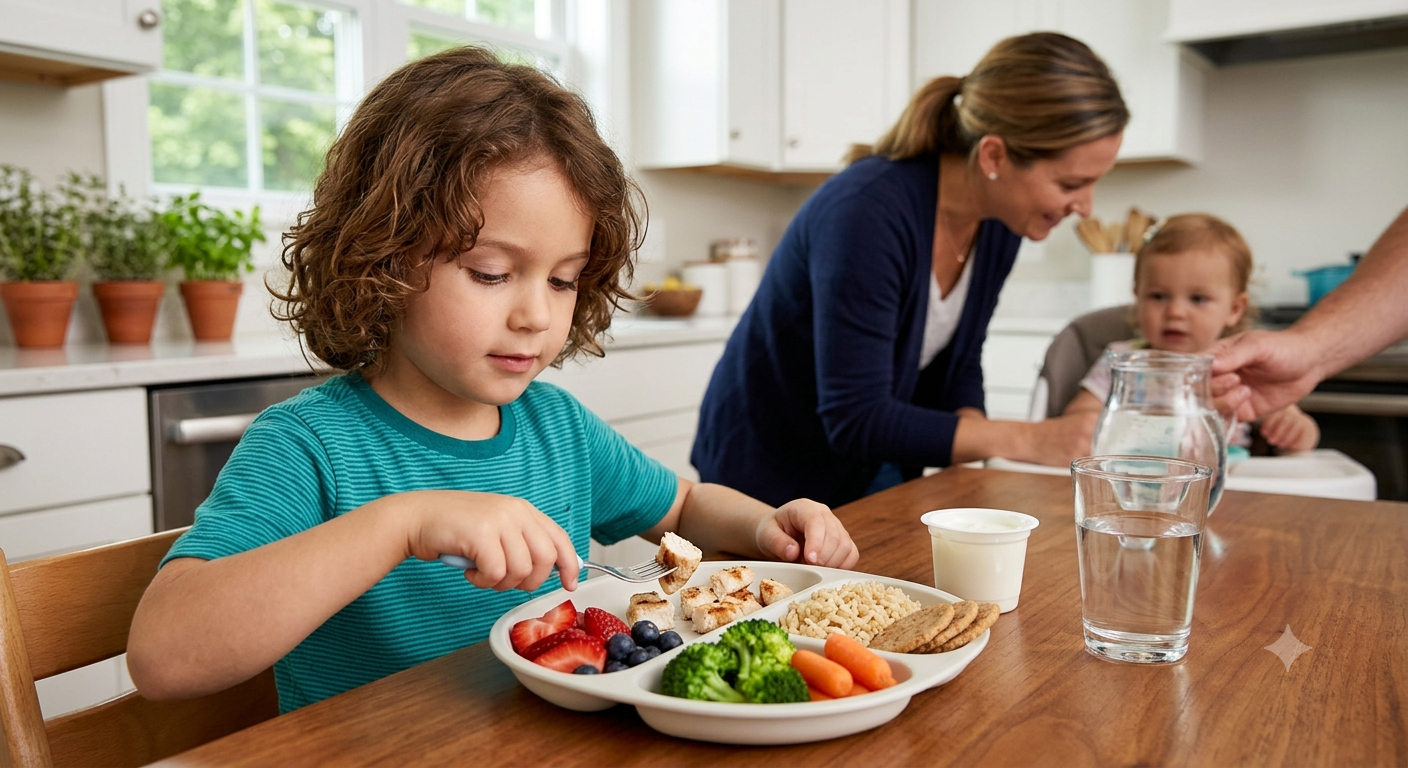
Quick Answer: Many children go through a normal phase of refusing vegetables, and parents should avoid turning mealtimes into a struggle. Instead, offer vegetables regularly without pressure while ensuring a balanced diet with fruits, whole grains, lean proteins, dairy, healthy fats, beans, eggs, and other nutrient-rich foods. Creative strategies like blending vegetables into smoothies or sauces can help. If picky eating affects growth, nutrition, or overall health, consult a pediatrician for evaluation and personalized guidance to support healthy development.
As a pediatrician, one of the concerns I hear most often from parents is, “My child refuses to eat vegetables. Are they getting the nutrients they need?”
If this sounds familiar, you are certainly not alone.
Many toddlers and young children go through phases where they refuse broccoli, push away carrots, or insist that anything green should stay off their plate. While this can be frustrating, it is a common part of childhood development and does not necessarily mean your child will have poor nutrition.
The good news is that there are many ways to help children develop healthier eating habits without turning every meal into a battle.
As a board-certified pediatrician with more than two decades of experience caring for children, I encourage parents to focus on consistency, patience, and balanced nutrition rather than forcing children to clean their plates.
At Gentle Pediatrics, we help families build lifelong healthy eating habits through evidence-based pediatric nutrition guidance that supports children’s growth, development, and overall well-being.
Why Do Some Children Refuse Vegetables?
Parents often worry that refusing vegetables means something is wrong.
In most cases, picky eating is a normal stage of development.
Young children naturally become more cautious about trying unfamiliar foods. Experts believe this behavior developed as a protective instinct during early childhood.
Children may refuse vegetables because:
- They dislike the taste
- The texture feels unfamiliar
- They prefer sweeter foods
- They are asserting independence
- They have become anxious after previous mealtime struggles
Most children gradually become more willing to try new foods when parents create a calm and positive eating environment.
Why Vegetables Are Important
Vegetables provide nutrients that growing children need every day.
They supply:
- Vitamins A, C, and K
- Folate
- Potassium
- Fiber
- Antioxidants
These nutrients help support:
- Healthy immune function
- Brain development
- Bone growth
- Good digestion
- Healthy vision
- Heart health
While vegetables are important, parents should remember that nutrition is built over weeks and months, not a single meal.
Should Parents Force Children to Eat Vegetables?
No.
One of the biggest mistakes I see is turning mealtime into a power struggle.
Pressuring children to eat often creates negative feelings around food and may actually increase picky eating.
Instead, parents should:
- Continue offering vegetables regularly
- Let children decide whether to eat them
- Praise trying new foods instead of finishing them
- Stay patient
Repeated, pressure-free exposure to foods is the single best way to increase acceptance.
Sometimes a child may need to see, smell, or interact with a new vegetable 10 to 15 times, or even more, before they gather the courage to willingly taste it.
Healthy Foods That Provide Similar Nutrients
If your child refuses vegetables today, don’t panic.
Many other nutritious foods can temporarily provide important vitamins and minerals while you continue introducing vegetables.
These include:
1. Fruits
Many fruits contain nutrients similar to vegetables.
Examples include:
- Oranges
- Strawberries
- Kiwi
- Mango
- Blueberries
- Apples
Fruit should not completely replace vegetables, but it can help provide vitamins and fiber.
2. Sweet Potatoes
Many children enjoy naturally sweet foods.
Sweet potatoes provide:
- Vitamin A
- Fiber
- Potassium
They can be baked, mashed, or cut into homemade fries.
3. Avocados
Avocados contain:
- Healthy fats
- Fiber
- Vitamin E
- Folate
They can easily be spread on toast or blended into smoothies.
4. Beans and Lentils
Beans are excellent sources of:
- Protein
- Fiber
- Iron
- Folate
Children often enjoy:
- Black beans
- Chickpeas
- Kidney beans
- Lentils
These foods work well in soups, tacos, pasta dishes, and rice bowls.
5. Eggs
Eggs provide high-quality protein along with several essential vitamins and minerals that support healthy growth.
They also pair well with vegetables, making them a great opportunity to introduce new foods gradually.
Creative Ways to Add Vegetables Without Mealtime Battles
Parents often ask whether hiding vegetables is acceptable.
I recommend thinking of it as introducing vegetables in different forms while still helping children recognize and become familiar with them.
Here are some practical ideas.
1. Blend Vegetables into Smoothies
Smoothies are an easy way to include mild vegetables.
Good choices include:
- Spinach
- Kale
- Cauliflower
Combine them with:
- Banana
- Berries
- Yogurt
- Milk
Most children never notice the vegetables.
2. Add Vegetables to Pasta Sauce
Finely blended vegetables mix well into tomato sauce.
Try adding:
- Carrots
- Zucchini
- Bell peppers
- Spinach
This works especially well with spaghetti and lasagna.
3. Bake Vegetables into Muffins
Homemade muffins can include:
- Zucchini
- Pumpkin
- Carrots
These ingredients add moisture while boosting nutrition.
4. Include Vegetables in Soups
Pureed vegetable soups often have a smooth texture that children accept more easily.
5. Mix Vegetables into Favorite Foods
Add finely chopped vegetables to:
- Macaroni and cheese
- Scrambled eggs
- Rice
- Meatballs
- Chicken patties
Small changes can gradually expand your child’s palate.
5. Make Vegetables More Appealing
Presentation matters more than many parents realize.
Children are often more willing to try foods that look fun.
Try:
- Colorful vegetable trays
- Vegetable sticks with hummus
- Cucumber stars
- Carrot coins
- Rainbow plates
Offering a variety of colors can make meals more exciting without adding pressure.
6. Let Children Help Prepare Meals
Children are much more interested in foods they help prepare.
Simple kitchen jobs include:
- Washing vegetables
- Stirring ingredients
- Choosing vegetables at the grocery store
- Planting herbs or tomatoes in a garden
- Arranging food on the plate
These activities build curiosity and confidence around healthy eating.
Building a Balanced Children’s Meal Plan
Instead of focusing on one food your child refuses, think about the entire day’s nutrition.
A balanced children’s meal plan should include foods from several food groups.
Aim to include:
1. Fruits and Vegetables
Offer a variety of colors every day.
Even if vegetables are refused, continue placing small portions on the plate.
2. Whole Grains
Healthy choices include:
- Oatmeal
- Brown rice
- Whole wheat bread
- Whole grain pasta
3. Lean Protein
Good sources include:
- Chicken
- Turkey
- Fish
- Eggs
- Beans
- Lentils
- Tofu
4. Dairy or Dairy Alternatives
These provide calcium and vitamin D for growing bones.
Examples include:
- Milk
- Yogurt
- Cheese
- Fortified soy beverages
Healthy fats from nuts, seeds, and avocados also play an important role in childhood growth and brain development.
Foods to Limit
While encouraging healthy eating, it also helps to reduce foods that may replace more nutritious options.
Limit:
- Sugary drinks
- Candy
- Chips
- Highly processed snacks
- Fast food
- Desserts before meals
These foods can reduce appetite for healthier choices.
Treats can still be enjoyed occasionally as part of a balanced diet.
When Picky Eating May Need Medical Evaluation
Most picky eating improves with time.
However, parents should speak with their pediatrician if their child:
- Is losing weight
- Has poor growth
- Eats fewer than 20 different foods
- Frequently gags while eating
- Has difficulty chewing or swallowing
- Shows signs of nutrient deficiencies
- Refuses entire food groups for several months
Sometimes feeding difficulties may be related to food allergies, sensory processing differences, oral-motor challenges, gastrointestinal conditions, or developmental concerns.
Early evaluation helps identify any underlying issues before they affect growth.
How Gentle Pediatrics Helps Families Build Healthy Eating Habits
At Gentle Pediatrics, we understand that every child develops eating habits at their own pace.
Our approach focuses on education, encouragement, and practical solutions rather than strict rules.
We provide:
- Growth and nutrition assessments
- Personalized feeding guidance
- Healthy meal planning support
- Evaluation of picky eating
- Monitoring for nutritional deficiencies
- Support for feeding challenges related to medical or developmental conditions
- Preventive wellness visits that include nutrition counseling
As a pediatrician, I work closely with families to create realistic strategies that fit each child’s personality and nutritional needs.
About Dr. Shahid Hasnain

Since becoming Board Certified by the American Board of Pediatrics in 1998, I have cared for thousands of children and adolescents throughout Texas. My training includes a Master of Public Health specializing in Maternal and Child Health, a pediatric internship at Lincoln Hospital in New York, and a pediatric residency at the University of Tennessee Medical Center, where I served as Chief Resident. My goal is to provide families with practical, easy-to-understand advice they can confidently use at home.
Final Thoughts
A child who refuses vegetables today will not necessarily become an unhealthy eater tomorrow.
Healthy eating habits develop gradually through repeated exposure, positive experiences, and supportive guidance. By offering a variety of nutritious foods, involving children in meal preparation, and avoiding pressure at the table, parents can help build a positive relationship with food that lasts a lifetime.
If you are concerned about your child’s eating habits, growth, or nutritional intake, our team at Gentle Pediatrics is here to help. Together, we can create a realistic nutrition plan that supports healthy development and gives your child the best possible start.
Schedule a Comprehensive Nutrition Assessment Today
If you are worried about your child’s dietary intake, growth percentiles, or severe picky eating habits, do not let mealtime remain a source of family stress.
Gentle Pediatrics proudly serves families throughout:
- Sugar Land
- Richmond
- Rosenberg
- Katy
- Stafford
- Houston
Gentle Pediatrics — Sugar Land, Texas
Contact our office today to secure a dedicated pediatric wellness visit or nutritional consultation.
Frequently Asked Questions
1. Is it normal for toddlers to refuse vegetables?
Yes. Many toddlers become selective eaters between 18 months and 5 years of age. This is usually a normal developmental phase.
2. How many times should I offer a new vegetable?
Children may need to see and taste a food many times before accepting it. Continue offering small portions without pressure.
3. Can fruit replace vegetables?
Fruit provides many valuable nutrients, but it should not completely replace vegetables because each offers different vitamins, minerals, and fiber.
4. Should I hide vegetables in food?
Blending vegetables into meals is acceptable, but continue offering visible vegetables as well so children learn to recognize and eventually enjoy them.
5. When should I talk to a pediatrician about picky eating?
If picky eating affects your child’s growth, weight, or overall nutrition, or if your child has significant feeding difficulties, it is important to schedule an evaluation.
This article is for educational and informational purposes only and should not be considered medical advice, diagnosis, or treatment. If your child has significant feeding difficulties or signs of poor growth, seek prompt medical evaluation.