

Why Regular Pediatric Checkups Are Essential for Your Child’s Health
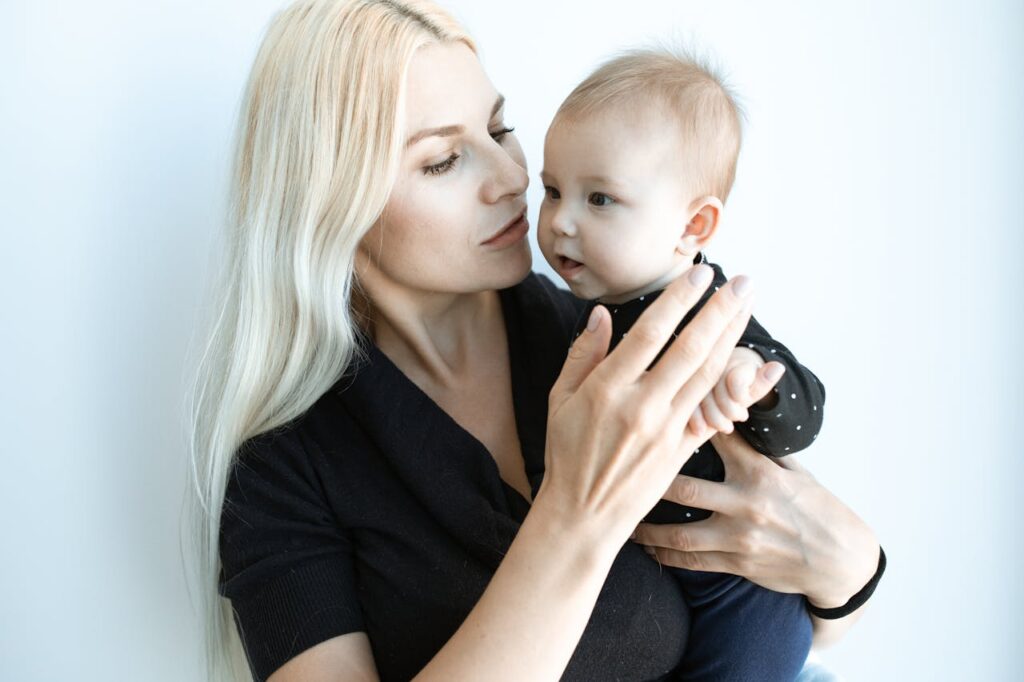
Regular well visits to the pediatrician play a vital role in monitoring your child’s growth and development, ensuring their health is on the right track. At Gentle Pediatrics, we emphasize the importance of preventive care and early detection of potential health concerns. This article will explain why routine checkups are necessary and how they benefit your child. What Are Regular Well Visits? A well visit, also known as a wellness check, is a routine appointment with your child’s pediatrician to assess overall health, growth, and developmental milestones. These visits go beyond addressing immediate health issues, focusing instead on long-term well-being. For more information, explore Gentle Pediatrics. Benefits of Regular Well Visits Monitoring Growth and Development Regular checkups allow pediatricians to track your child’s height, weight, and developmental progress. Comparing these metrics over time helps ensure they are meeting age-appropriate milestones. Early Detection of Health Issues Many health problems can be treated more effectively when detected early. During a well visit, the pediatrician screens for conditions like: Vision or hearing problems. Developmental delays. Nutritional deficiencies. Schedule a checkup at Gentle Pediatrics to safeguard your child’s health. Building Immunity with Vaccinations Immunizations are a cornerstone of well visits. They protect your child from preventable diseases such as measles, polio, and whooping cough. Pediatricians follow recommended vaccination schedules to keep your child’s immunity strong. Learn more about the vaccination services offered at Gentle Pediatrics. Key Components of a Well Visit Physical Examination A thorough physical exam includes checking the heart, lungs, abdomen, and other vital areas to ensure your child’s overall health. Developmental Assessment Pediatricians assess your child’s cognitive, emotional, and physical development through age-appropriate activities and discussions. Health Screenings Screenings during well visits may include tests for: Anemia. Blood pressure. Vision and hearing. Nutritional Guidance Well visits are an excellent opportunity to discuss your child’s diet and eating habits. Pediatricians provide advice tailored to your child’s needs, promoting healthy growth. Parental Education Your pediatrician can answer questions about topics such as sleep, behaviour, and safety, equipping you with the knowledge to support your child’s well-being. Frequency of Well Visits The American Academy of Pediatrics recommends the following schedule for well visits: Several times during the first year of life (newborn, 1 month, 2 months, etc.). Annually after age 3. For personalized guidance, consult Gentle Pediatrics. Why Choose Gentle Pediatrics for Well Visits? At Gentle Pediatrics, we are committed to providing comprehensive and compassionate care for children of all ages. Our experienced team ensures each well visit is thorough, addressing both immediate concerns and preventive measures. Explore the full range of services at Gentle Pediatrics. Tips for a Successful Well Visit Prepare Ahead of Time Write down any questions or concerns to discuss with your pediatrician. Bring Important Records Carry your child’s vaccination history and any medical documents for a complete evaluation. Encourage Open Communication If your child is old enough, involve them in the conversation to help them understand the importance of health care. The Role of Well Visits in Long-Term Health Regular well visits create a strong foundation for your child’s lifelong health. These checkups foster a proactive approach, helping to identify risks and maintain optimal well-being. When to Schedule Your Next Well Visit If it’s been a while since your child’s last checkup, now is the perfect time to schedule one. Gentle Pediatrics is here to support your child’s health journey. Book your appointment today at Gentle Pediatrics. Routine pediatric checkups are an essential part of maintaining your child’s health. From tracking growth to building immunity, well visits offer numerous benefits for your child’s physical and emotional development. By partnering with Gentle Pediatrics, you can ensure your child receives the best possible care. Take the first step in preventive care and schedule a well visit with Gentle Pediatrics today!
Understanding Childhood Sleep Disorders: Symptoms, Causes, and Treatment

Sleep is essential for a child’s physical and mental development, yet many children struggle with sleep disorders that affect their quality of life. At Gentle Pediatrics, we are committed to helping parents recognize and address these challenges to ensure their child receives proper rest and care. In this article, we’ll discuss common childhood sleep disorders, their symptoms, causes, and available treatment options. What Are Childhood Sleep Disorders? Childhood sleep disorders encompass a range of conditions that disrupt a child’s ability to fall or stay asleep. These disruptions can lead to daytime fatigue, behavioural challenges, and developmental issues. Understanding these disorders is the first step in supporting your child’s well-being. For expert guidance, visit Gentle Pediatrics. Common Childhood Sleep Disorders Insomnia Children with insomnia experience difficulty falling or staying asleep. Causes may include stress, anxiety, or poor sleep habits. Sleep Apnea Sleep apnea is characterized by interruptions in breathing during sleep, often caused by enlarged tonsils or adenoids. Symptoms include loud snoring, restless sleep, and daytime drowsiness. Night Terrors Unlike nightmares, night terrors occur during deep sleep and cause sudden episodes of fear, crying, or screaming. Children typically have no memory of the event the next morning. Restless Leg Syndrome (RLS) RLS causes an uncontrollable urge to move the legs, especially at night, which can disrupt sleep. Circadian Rhythm Disorders These disorders involve disruptions to the natural sleep-wake cycle, often leading to difficulty falling asleep at night and waking up in the morning. At Gentle Pediatrics, our team specializes in diagnosing and managing sleep disorders in children. Symptoms of Sleep Disorders in Children Recognizing the symptoms of sleep disorders can help parents seek early intervention. Common signs include: Difficulty falling asleep or frequent night waking. Excessive daytime sleepiness. Irritability, hyperactivity, or behavioural changes. Poor academic performance or trouble concentrating. Snoring, gasping, or pauses in breathing during sleep. If you notice these symptoms in your child, schedule a consultation with Gentle Pediatrics for a thorough evaluation. Causes of Childhood Sleep Disorders Physical Factors Conditions such as allergies, asthma, or sleep apnea can disrupt a child’s sleep. Psychological Factors Stress, anxiety, or depression may contribute to insomnia or other sleep disturbances. Poor Sleep Hygiene Inconsistent bedtimes, excessive screen time, or caffeine consumption can negatively affect sleep patterns. Developmental Changes Sleep needs and patterns evolve as children grow, which may result in temporary disruptions. For tailored advice, explore the services offered by Gentle Pediatrics. Diagnosing Sleep Disorders Accurate diagnosis is key to effective treatment. During a visit to your pediatrician, the process may include: Medical History Review: Discussing your child’s sleep habits and overall health. Physical Examination: Identifying any underlying medical conditions. Sleep Studies: Overnight monitoring to assess breathing patterns, brain activity, and other sleep-related factors. Contact Gentle Pediatrics to learn more about diagnostic options. Treatment Options for Childhood Sleep Disorders Establishing Healthy Sleep Habits Creating a consistent bedtime routine and ensuring a comfortable sleep environment can improve sleep quality. Medical Interventions Depending on the diagnosis, treatments may include: Medications for conditions like RLS or severe insomnia. Surgery to remove tonsils or adenoids in cases of sleep apnea. Behavioural Therapies Cognitive-behavioural therapy (CBT) can help address anxiety or poor sleep hygiene contributing to insomnia. For personalized treatment plans, visit Gentle Pediatrics. Preventing Sleep Disorders in Children While not all sleep disorders are preventable, certain steps can promote healthier sleep habits: Set a Consistent Schedule: Ensure your child goes to bed and wakes up at the same time daily. Limit Screen Time: Reduce exposure to screens at least an hour before bedtime. Create a Relaxing Bedtime Routine: Incorporate calming activities like reading or taking a warm bath. Monitor Diet: Avoid caffeine or heavy meals close to bedtime. For additional tips, consult the pediatric experts at Gentle Pediatrics. When to See a Pediatrician If your child struggles with persistent sleep issues that affect their daily life, it’s time to consult a pediatrician. Early intervention can improve your child’s sleep and overall quality of life. At Gentle Pediatrics, we are dedicated to providing compassionate care for children with sleep disorders. Our team is here to support your child’s health and well-being every step of the way. Childhood sleep disorders can have a profound impact on a child’s development and family dynamics. By recognizing the symptoms, understanding potential causes, and seeking professional treatment, parents can help their children enjoy restful nights and healthier days. For comprehensive pediatric care, visit Gentle Pediatrics. Let us partner with you in ensuring your child’s well-being.
Strep Throat in Children: Symptoms, Diagnosis, and Treatment
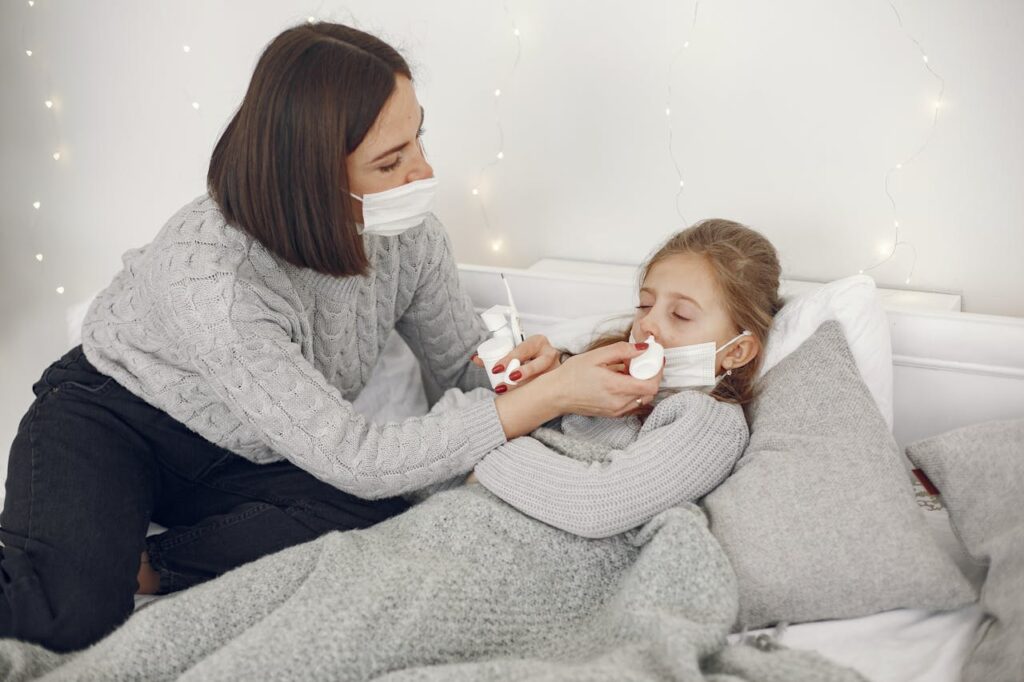
Strep throat is a common yet serious illness affecting children, causing discomfort and potential complications if left untreated. At Gentle Pediatrics, we strive to help parents recognize the signs of strep throat early and provide effective care to protect their child’s health. In this article, we’ll explore the symptoms, causes, and treatment options for strep throat in children. What Is Strep Throat? Strep throat is a bacterial infection caused by Streptococcus pyogenes. This infection primarily affects the throat and tonsils, leading to soreness and inflammation. Unlike viral sore throats, strep throat requires medical treatment to prevent complications such as rheumatic fever or kidney inflammation. For more information on comprehensive pediatric care, visit Gentle Pediatrics. Common Signs and Symptoms of Strep Throat Recognizing the symptoms of strep throat early is essential for timely treatment. While some signs overlap with viral infections, specific symptoms can help differentiate strep throat. Persistent Sore Throat Children with strep throat often experience a sore throat that persists for several days and worsens over time. Painful Swallowing Difficulty and pain while swallowing are key indicators of strep throat. Red and Swollen Tonsils The tonsils may appear red, swollen, and sometimes coated with white patches or streaks of pus. Fever A sudden onset of fever, often above 101°F, is a common sign of strep throat in children. Swollen Lymph Nodes Tender and swollen lymph nodes in the neck area are frequently observed. Other Symptoms Headache. Stomach pain or nausea. Fatigue or irritability. If your child exhibits these symptoms, consult a trusted pediatrician at Gentle Pediatrics for an accurate diagnosis. How Strep Throat Spreads Strep throat spreads through respiratory droplets when an infected person coughs, sneezes, or shares utensils. Encouraging good hygiene practices, such as frequent handwashing and covering the mouth when coughing, can reduce the risk of transmission. Diagnosing Strep Throat Accurate diagnosis is crucial for effective treatment. During a pediatric visit, your doctor will: Perform a Physical Exam The pediatrician will examine your child’s throat, tonsils, and lymph nodes for signs of infection. Conduct a Rapid Strep Test A swab of the throat is used to quickly detect the presence of Streptococcus bacteria. Follow Up with a Throat Culture In some cases, a throat culture may be done to confirm the diagnosis. Schedule an appointment at Gentle Pediatrics if you suspect your child has strep throat. Treating Strep Throat Antibiotics Strep throat is treated with antibiotics, which help eliminate the bacteria, reduce symptoms, and prevent complications. It’s important to complete the entire course of medication, even if your child feels better before finishing. Home Care Tips To ease discomfort, you can: Encourage rest. Provide warm liquids like soup or herbal tea. Offer throat-soothing remedies such as honey (for children over 1 year old). Use over-the-counter pain relievers for fever and throat pain, as recommended by your doctor. For guidance on treating strep throat, contact Gentle Pediatrics. Preventing Strep Throat While it’s not always possible to avoid strep throat, these preventive measures can reduce the likelihood of infection: Practice Good Hygiene Teach your child to wash their hands frequently and avoid sharing utensils or drinks. Strengthen Their Immune System A balanced diet, regular exercise, and sufficient sleep can help boost your child’s immunity. Stay Away from Sick Individuals Encourage your child to maintain distance from people with known throat infections. Learn more about keeping your child healthy at Gentle Pediatrics. When to See a Pediatrician If your child experiences persistent throat pain, fever, or difficulty swallowing, it’s essential to seek medical care promptly. Early diagnosis and treatment can prevent the infection from worsening or spreading to others. At Gentle Pediatrics, we offer expert care tailored to your child’s needs. Schedule an appointment today for a comprehensive evaluation. Recognizing the signs of strep throat early can make all the difference in ensuring your child receives prompt and effective treatment. By understanding the symptoms, seeking timely care, and practicing preventive measures, you can protect your child’s health and well-being. For compassionate and reliable pediatric care, visit Gentle Pediatrics. Our dedicated team is here to support your child’s health every step of the way.