

Why Does My Teen Feel Tired Despite Getting Proper Sleep?
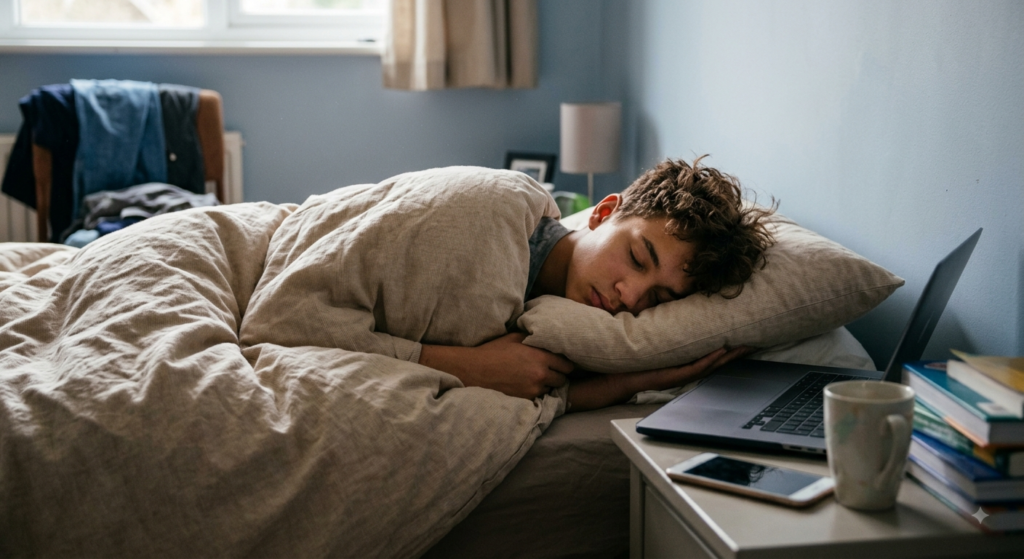
Quick Answer: Teenagers may feel tired despite getting 8–10 hours of sleep because sleep quality, circadian changes, screen time, stress, nutrition, anemia, thyroid problems, mental health concerns, medications, or other health conditions can affect energy levels. Consistent sleep routines, limiting late-night screens and caffeine, morning sunlight,balanced nutrition, and supportive conversations may help. If fatigue persists for several weeks, affects school or activities, or occurs with dizziness, headaches, breathing problems, weight changes, or mood changes, consult a pediatrician. Teenagers are often tired. Between school, homework, activities, friendships, sports, and changing schedules, it can sometimes seem normal for a teenager to feel exhausted. But on many occasions, a teen is getting what appears to be enough sleep and still feels tired every day. Many parents ask me: “Why is my teenager always exhausted?” “My child sleeps eight or nine hours but still wakes up tired. Is that normal?” These are important questions. As a board-certified pediatrician with more than two decades of experience caring for children and adolescents, I have seen many teenagers experience ongoing fatigue for different reasons. Sometimes the cause is a busy schedule or poor-quality sleep. In other situations, tiredness may be related to nutrition, stress, anemia, thyroid problems, sleep disorders, medications, or another health condition. The key is to look at the complete picture. This guide explains some common reasons teenagers feel tired, what parents can watch for, and when professional evaluation may be appropriate. How Much Sleep Does a Teenager Need? The American Academy of Pediatrics recommends that teenagers ages 13 to 18 regularly get about 8 to 10 hours of sleep each night. However, getting enough hours does not always mean getting good-quality sleep. For example, a teenager may spend nine hours in bed but have poor sleep because of: Frequent nighttime waking Loud snoring An inconsistent sleep schedule Late-night screen use Anxiety or stress An uncomfortable sleep environment Certain medications An underlying sleep disorder This means parents should consider both how long their teenager sleeps and how well they sleep. A teenager who regularly wakes up feeling refreshed will generally function differently from one who sleeps for the same number of hours but wakes feeling exhausted. The Biology of Teen Sleep: Circadian Phase Delay Teenagers experience a natural biological shift in their internal clock during puberty known as Adolescent Circadian Phase Delay. The Science Behind the Shift During pubertal development, the brain’s pineal gland delays the evening release of melatonin by approximately two hours compared to adults or younger children. As a result, most teenagers naturally do not feel sleepy until 11:00 p.m. or midnight. When early school start times require a 6:00 a.m. alarm, teens suffer from chronic sleep debt and “social jet lag,” leaving them waking up in the middle of their biological night feeling groggy and exhausted. Could Poor Sleep Quality Be the Problem? Sometimes the issue is not the number of hours your teen sleeps but the quality of that sleep. Parents should pay attention to signs such as: Loud or frequent snoring Gasping during sleep Restless sleep Frequent nighttime waking Morning headaches Difficulty waking up Excessive daytime sleepiness Falling asleep during class Difficulty concentrating Sleep apnea, for example, can interfere with normal sleep and cause daytime tiredness. If your teenager snores loudly or regularly appears to struggle with breathing during sleep, discuss these symptoms with a pediatrician. Screen Time Can Affect Sleep Phones, tablets, computers, and gaming devices are a normal part of many teenagers’ lives. However, using screens late at night can make healthy sleep more difficult. Teenagers may stay awake because they are: Texting friends Watching videos Playing games Using social media Completing schoolwork Smartphones, tablets, and gaming consoles emit high-intensity blue light (waves around 450–480 nm). Blue light actively suppresses melatonin production in the brain, fooling the body into thinking it is daytime and delaying REM and deep sleep cycles. I encourage families to create a consistent bedtime routine and reduce stimulating screen activities before bed. Keeping phones and other devices outside the bedroom at night can also make it easier for teenagers to follow a regular sleep schedule. Stress and School Pressure Can Cause Fatigue Teenagers face many pressures. They may be managing: School assignments Exams College planning Sports Friendships Family changes Social expectations Financial concerns Future career decisions Stress can affect both sleep and daytime energy. A teenager may technically spend eight hours in bed but still wake feeling tired if they have difficulty relaxing or are frequently worrying. Parents should create opportunities for calm, judgment-free conversations. Simple questions can help: “How have you been feeling lately?” “Is anything making school difficult?” “Are you feeling stressed?” “Is there something you are worried about?” Sometimes, emotional concerns are easier for teenagers to discuss when parents listen first rather than immediately trying to solve the problem. Could Nutrition Be Contributing to Fatigue? Teenagers are growing rapidly and need adequate nutrition. Busy schedules can sometimes lead teenagers to skip meals or rely heavily on convenience foods. Poor nutrition may contribute to low energy. A balanced diet should include: Fruits Vegetables Whole grains Lean proteins Dairy or suitable alternatives Healthy fats Iron is particularly important because iron deficiency can contribute to anemia and fatigue. Teenagers who have restrictive diets, heavy menstrual bleeding, poor dietary intake, or other risk factors may need additional evaluation. Parents should speak with their child’s healthcare provider before starting iron supplements. Too much iron can be harmful, so supplementation should be based on medical advice. Could Anemia Make My Teen Tired? Anemia occurs when the body does not have enough healthy red blood cells or hemoglobin to carry oxygen effectively. Iron-deficiency anemia is one possible cause of fatigue in adolescents. Other symptoms may include: Pale skin Weakness Headaches Dizziness Shortness of breath with activity Difficulty concentrating Teenagers who menstruate heavily may have an increased risk of iron deficiency because of blood loss. If fatigue is persistent or accompanied by other symptoms, a pediatrician may recommend blood testing to look for anemia or other
Why Does My Healthy Child Still Need Routine Pediatric Checkups?

Quick Answer: Routine pediatric checkups are important even when your child appears healthy because they help monitor growth, development, nutrition, sleep, emotional well-being, and overall health. Regular well-child visits allow pediatricians to detect hidden conditions early, keep vaccinations up to date, provide age-appropriate screenings, and answer parents’ questions. Following the American Academy of Pediatrics’ recommended schedule supports healthy development, prevents future health issues, and builds a trusted partnership between families and their pediatrician throughout childhood. When your child is healthy, active, and growing well, it’s easy to wonder if regular visits to the pediatrician are really necessary. Many parents tell me: “Do we really need another checkup?” “Can’t we just come in if something is wrong?” These are understandable questions. As a board-certified pediatrician with more than two decades of experience caring for infants, children, and adolescents, I’ve seen firsthand how routine pediatric checkups help children stay healthy. A well-child visit gives us an opportunity to monitor your child’s growth, evaluate development, answer parents’ questions, provide recommended vaccinations, and identify potential concerns before they become bigger problems. Many childhood health conditions develop gradually and may not cause obvious symptoms in the early stages. Regular preventive care allows us to recognize these concerns as early as possible. The American Academy of Pediatrics (AAP) recommends regular well-child visits throughout childhood and adolescence because preventive care plays an important role in supporting lifelong health. In this guide, I’ll explain why routine pediatric checkups remain important even when your child appears perfectly healthy. What Is a Routine Pediatric Checkup? A routine pediatric checkup, also called a well-child visit, is a scheduled appointment focused on your child’s overall health rather than a specific illness. Unlike a sick visit, these appointments allow your pediatric doctor in Sugar Land to evaluate how your child is growing and developing over time. During a routine visit, we may: Measure height and weight Monitor growth patterns Check blood pressure when appropriate Perform a physical examination Review developmental milestones Discuss nutrition Evaluate sleep habits Assess emotional well-being Review school performance Update vaccinations when needed Answer questions from parents and children These visits provide an opportunity to look at the complete picture of your child’s health. Growth Tracking: Beyond Height and Weight Every child grows on their own unique trajectory. What matters most is that their growth follows a consistent, healthy curve over time on standardized pediatric growth charts. During each checkup, we plot your child’s measurements against their historical data. Tracking growth velocity helps us detect subtle medical issues early, including: Nutritional deficiencies or iron-deficiency anemia Endocrine or thyroid disorders Growth hormone deficiencies or delayed puberty Unexplained weight loss or rapid, unhealthy weight gain Without routine objective measurements, subtle changes in growth curves can go unnoticed for months or even years. Standardized Developmental & Behavioral Screenings Children develop rapidly from infancy through adolescence. While parents track milestones like walking or talking at home, pediatricians use validated medical screening tools to ensure brain and motor development are progressing on schedule. AAP Recommended Screening Milestones: General Developmental Screenings: Formally conducted using standardized questionnaires at 9, 18, and 30 months. Autism Spectrum Disorder (ASD) Screenings: Specifically performed at 18 and 24 months. Maternal Postpartum Depression Screenings: Conducted at infant 1, 2, 4, and 6-month checkups to support family wellness. Adolescent Depression & Mental Health Screenings: Annual standardized screenings (such as the PHQ-9) begin at age 12 to evaluate mood, anxiety, and suicide risk. Early Intervention: Catching developmental, speech, or social delays early allows us to connect families with early intervention therapies when the developing brain is most adaptable. Vaccinations Continue Beyond Infancy Many parents associate vaccines primarily with infancy. However, booster shots and new immunizations are required throughout early childhood, middle school, and adolescence to maintain protective immunity against serious preventable diseases. Routine Immunization Milestones Include: Infancy & Toddlerhood (0–2 years): DTaP, Polio, Hib, Pneumococcal, Rotavirus, Hepatitis B, MMR, Varicella, and Hepatitis A. Kindergarten Boosters (Ages 4–6): DTaP, IPV (Polio), MMR, and Varicella. Middle School / Adolescent Vaccines (Ages 11–12): Tdap booster, Meningococcal (ACWY), and Human Papillomavirus (HPV). High School / College Prep (Age 16): Meningococcal ACWY booster and Meningococcal B. Annual Protection: Yearly Influenza (Flu) and updated COVID-19 vaccines for all children 6 months and older. Detecting Hidden Health Conditions Early One of the greatest benefits of routine checkups is identifying health conditions that develop silently without causing pain or obvious symptoms in their early stages. Conditions Often Uncovered During Well-Child Exams: Vision Impairments: Amblyopia (“lazy eye”), refractive errors, or color blindness that can affect reading and school performance. Hearing Loss: Subtle high-frequency or unilateral hearing loss that impacts speech and classroom attention. High Blood Pressure (Hypertension): Screened annually starting at age 3; early detection prevents long-term heart and kidney complications. Scoliosis: Curvature of the spine that commonly develops during pubertal growth spurts. Anemia and Lead Poisoning: Screened via finger-stick blood testing at 12 and 24 months. Nutrition Changes as Children Grow Healthy eating looks different for infants, toddlers, school-aged children, and teenagers. During routine visits, we discuss: Balanced meals Healthy snacks Vitamin needs Milk intake Iron-rich foods Physical activity Healthy weight Parents frequently ask questions about: Picky eating Food allergies Portion sizes Vitamins Weight concerns These conversations can help families develop healthy habits that support lifelong wellness. Sleep Is an Important Part of Good Health Sleep affects nearly every aspect of a child’s health. Adequate sleep supports: Brain development Learning Memory Emotional regulation Immune function Physical growth Children’s sleep needs change with age. Routine checkups provide an opportunity to discuss: Bedtime routines Snoring Night waking Sleep duration Screen time before bed Addressing sleep concerns early may improve both physical and emotional health. School Performance Can Reflect Overall Health Children spend a large part of their lives at school. Sometimes parents notice changes such as: Difficulty concentrating Falling grades Trouble paying attention Behavioral concerns Anxiety Social challenges These changes may sometimes relate to medical, developmental, emotional, hearing, or vision concerns. Routine visits provide time to discuss these observations. A pediatrician may
What to Do If My Child Is Always Thirsty and Urinating Frequently
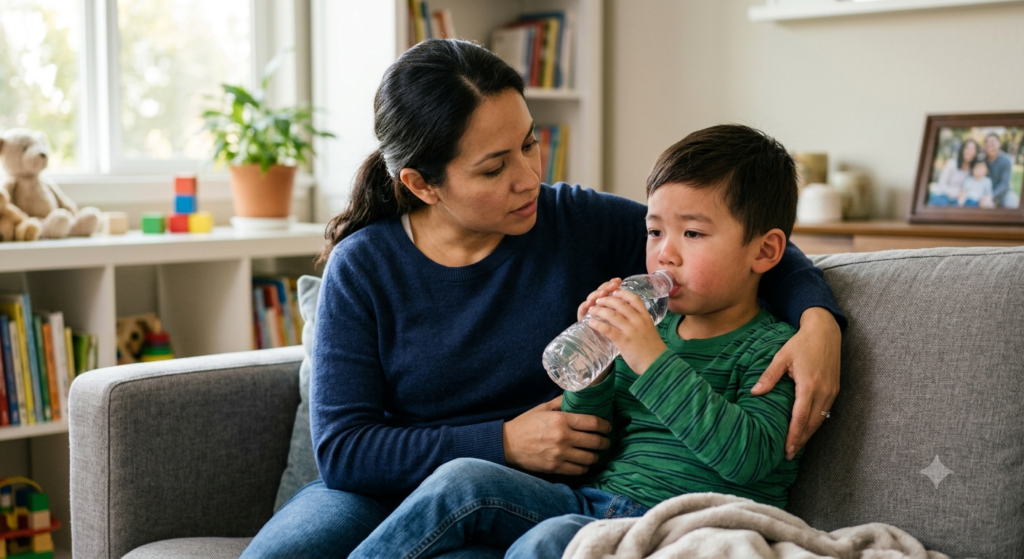
Quick Answer: If your child is constantly thirsty and urinating more often than usual, it could be due to heat, exercise, or increased fluid intake, but persistent symptoms may also signal diabetes, a urinary tract infection, or another medical condition. Watch for warning signs such as weight loss, fatigue, increased hunger, vomiting, or new bedwetting. Do not limit your child’s water intake. Instead, schedule a prompt evaluation with a pediatrician, and seek emergency care immediately if severe symptoms like vomiting, rapid breathing, confusion, or extreme drowsiness occur. Parents know their children’s normal habits better than anyone. You may notice that your child is suddenly asking for water throughout the day, carrying a water bottle everywhere, waking up at night to drink, or making frequent trips to the bathroom. At first, these changes may not seem serious. Children may become thirstier during hot weather, after exercise, or while recovering from an illness. However, ongoing excessive thirst combined with frequent urination may sometimes be a sign of an underlying health concern. In some cases, increased thirst and urination are related to normal changes in activity, weather, or fluid intake. In other cases, they may be associated with diabetes, a urinary problem, or another medical condition. This guide explains possible reasons for these symptoms, what parents should watch for, when to contact a healthcare provider, and when immediate medical care may be necessary. What Does “Always Thirsty” Mean? Children naturally need fluids throughout the day. Their fluid needs may increase when they: Play sports Exercise outdoors Spend time in hot weather Have a fever Recover from vomiting or diarrhea Eat salty foods However, excessive thirst may look different from ordinary thirst. Parents may notice that their child: Drinks unusually large amounts of water Asks for drinks repeatedly Wakes during the night to drink Becomes upset when water is unavailable Drinks much more than usual without an obvious reason A sudden or ongoing change is often more important than the exact amount of water a child drinks. If your child’s thirst is noticeably different from their normal behavior and continues for several days, it is reasonable to contact a pediatrician in Sugar Land for guidance. What Does Frequent Urination Look Like? When children drink more, they naturally urinate more. However, abnormal urinary frequency involves distinct patterns: Polyuria (Large Volume): Producing unusually large amounts of clear urine frequently throughout the day and night. Secondary Nocturnal Enuresis: New onset of bedwetting in a child who has been fully potty-trained and dry at night for months or years (a classic red flag for pediatric diabetes). Pollakiuria (Small Volume / Frequency): Urinating tiny amounts every few minutes, often accompanied by burning or urgency (typical of a urinary tract infection or bladder inflammation). Evaluating whether your child is passing large volumes of urine or simply feeling a constant urge to go helps your pediatrician pinpoint the exact cause. Could Diabetes Cause Excessive Thirst and Urination? When a child presents with persistent excessive thirst and frequent urination, ruling out diabetes is a top medical priority. 1. Diabetes Mellitus (Type 1 and Type 2) In Type 1 Diabetes (the most common form in children), the pancreas stops producing insulin. Without insulin, blood glucose (sugar) cannot enter cells to provide energy and builds up to high levels in the bloodstream. The Mechanism (Osmotic Diuresis): When blood sugar levels exceed what the kidneys can reabsorb, excess sugar spills into the urine. This glucose pulls large volumes of water out of the body with it (osmotic diuresis), causing frequent, heavy urination. This severe fluid loss triggers intense, relentless thirst as the body tries to prevent dehydration. Associated Symptoms of Diabetes Mellitus: Unexplained, rapid weight loss (despite an increased appetite) Constant fatigue, lethargy, or weakness Irritability or sudden mood changes Blurry vision Recurrent yeast infections (in young girls) or severe diaper rash in infants 2. Diabetes Insipidus (DI) Though much less common, Diabetes Insipidus is a completely separate hormonal condition unrelated to blood sugar. DI occurs when the body does not produce or properly respond to vasopressin (antidiuretic hormone). This prevents the kidneys from concentrating urine, leading to massive excretion of dilute urine and intense craving for cold water. Other Possible Causes of Frequent Urination Diabetes is important to rule out, but it is not the only possible cause. Other conditions may include: 1. Urinary Tract Infection A urinary tract infection, or UTI, may cause: Frequent urination Pain or burning during urination A strong urge to urinate Lower stomach discomfort Fever Cloudy or strong-smelling urine Some children may also have new daytime accidents. A pediatrician may recommend a urine test to check for infection. 2. Bladder or Voiding Problems Some children experience bladder control difficulties that cause them to feel an urgent or frequent need to urinate. Symptoms may include: Sudden urges to urinate Frequent bathroom visits Daytime accidents Difficulty fully emptying the bladder Constipation can sometimes contribute to bladder symptoms because a full bowel may place pressure on the bladder. 3. Increased Fluid Intake Sometimes a child begins drinking more fluids because of: Hot weather Sports Dry indoor air Increased physical activity A recent illness In these situations, frequent urination may be a normal response to increased fluid intake. However, parents should still pay attention if thirst appears extreme or continues without a clear reason. 4. Certain Medications Some medications may increase thirst or urination. Tell your child’s healthcare provider about: Prescription medications Over-the-counter medicines Vitamins Supplements Do not stop a prescribed medication without speaking with the healthcare provider who prescribed it. 5. Emotional or Behavioral Factors Some children may drink water more frequently because of: Anxiety Stress Habit Changes in routine However, behavioral explanations should not be assumed before medical causes have been considered. What Should Parents Do at Home? If your child is thirsty and urinating frequently but is otherwise alert and comfortable, begin by observing the symptoms carefully. Helpful information includes: When the symptoms started How much your child is drinking How often your child urinates Whether the child