

Helping Teens Thrive: A Pediatrician’s Guide to Managing Academic Stress Effectively

Why Academic Stress Is a Serious Pediatric Concern Academic success is a priority for many families, but when grades, exams, and performance take a toll on a teen’s mental and physical health, the balance is lost. The truth? Academic stress in adolescents isn’t “just a phase.†As pediatricians, we see how school-related pressures manifest in real symptoms—headaches, sleep disturbances, irritability, anxiety, and even physical ailments. If your teenager is overwhelmed by school expectations, you’re not alone—and your pediatrician can play a transformative role in helping them thrive, not just survive. At Gentle Pediatrics, we believe that managing academic stress isn’t just about better grades. It’s about better health, stronger family connections, and sustainable strategies for emotional resilience. What Is Academic Stress and Why Does It Affect Teens So Deeply? Academic stress is the emotional tension students feel due to schoolwork, grades, homework load, peer competition, or pressure to succeed. While some pressure is motivational, chronic academic stress—especially during middle and high school years—can trigger a cascade of physical and emotional issues. Key stress triggers: Fear of failure or poor grades Heavy homework load Competitive classroom environments Parental or societal pressure to perform Time management struggles with extracurriculars Standardized testing Social comparison via digital platforms As pediatricians, we treat the full child—not just their symptoms. So when a teen shows signs of academic burnout, we dig deeper. Recognizing the Warning Signs: When Stress Becomes Harmful Academic stress doesn’t always scream for attention—it often whispers. Many teens suppress or normalize their distress until it affects their physical health. Parents, teachers, and caregivers must stay alert to the following red flags: Physical signs: Headaches or stomachaches with no clear cause Fatigue despite adequate sleep Rapid weight changes Sleep disturbances or insomnia Emotional/behavioural signs: Irritability, mood swings, or anger outbursts Withdrawal from social activities Declining interest in hobbies Increased perfectionism Procrastination followed by panic Pediatricians are often the first professionals to detect these subtle signs during wellness visits. Our clinical evaluations go beyond height and weight—we ask the hard questions, gently. Why a Pediatrician Should Be Your First Line of Support Many parents overlook pediatricians when facing academic struggles. But pediatric care is more than vaccines and growth charts—it’s about mental, emotional, and developmental health. Your child’s primary care pediatrician knows their history, behaviour patterns, and risk factors better than any school counsellor or tutor. At Gentle Pediatrics, we empower parents to lean on their pediatrician when their teen is overwhelmed. We’re trained to screen for anxiety, depression, ADHD, and stress-related disorders—and to recommend the right interventions at the right time. How pediatricians help: Evaluating physical symptoms of stress (like headaches or sleep problems) Identifying mental health concerns Recommending stress management routines Connecting families with mental health professionals Offering lifestyle advice on nutrition, sleep, and exercise for stress relief Monitoring stress impact over time Proven Pediatrician-Backed Strategies for Managing Academic Stress There’s no one-size-fits-all formula for eliminating academic pressure—but pediatricians use an evidence-based, integrative approach to reduce its harmful effects. These strategies go beyond common self-help tips and focus on sustainable changes. 1. Prioritize Healthy Sleep Patterns Sleep is the body’s natural stress detox system. Yet many teens sacrifice sleep to cram or finish assignments. Pediatricians recommend: 8–10 hours of sleep per night for teens Consistent sleep and wake times—even on weekends A “no screens 60 minutes before bed†rule Replacing late-night studying with evening wind-down routines Teens with sleep deprivation are not only less focused but more emotionally reactive, compounding their stress. 2. Create a Realistic Academic Schedule Overscheduling is a modern epidemic. If your teen is juggling AP courses, sports, tutoring, and volunteer hours—they’re likely overwhelmed. Encourage them to: Limit after-school activities to what they enjoy, not what looks good on college apps Use block planning to allocate study time Build in time for rest, hobbies, and unstructured play Say “no†without guilt A pediatrician can help evaluate your child’s capacity and advise on appropriate load based on development and emotional well-being. 3. Introduce Mindfulness and Relaxation Practices Mindfulness isn’t just a buzzword—it’s clinically proven to reduce cortisol (stress hormone) levels in children and teens. Pediatricians may recommend: Breathing techniques before tests Guided meditation apps like Headspace for Teens Short yoga sessions between study blocks Journaling to process emotional overwhelm We often teach parents and teens simple breathing exercises during checkups. A few deep breaths can interrupt the cycle of panic and bring clarity back. 4. Optimize Nutrition for Cognitive Calm Yes, food affects focus. Stress-eating (think chips, soda, sugar-laden snacks) spikes blood sugar and worsens anxiety. Pediatricians suggest stress-reducing dietary tweaks: Complex carbs like oats and brown rice for stable energy Magnesium-rich foods (spinach, almonds, bananas) for nervous system balance Omega-3 fatty acids (salmon, walnuts) to support brain health Hydration—at least 6–8 glasses of water daily These insights build upon our recommendations in 10 Practical Child Health Tips Every Sugar Land Parent Should Know, where nutrition is foundational to emotional balance. 5. Schedule Regular Physical Movement Teenagers need to move—not just for physical health but to discharge adrenaline. Exercise acts as a natural antidepressant. Our pediatric clinic encourages: 30–60 minutes of movement daily: dancing, biking, walking the dog Stretch breaks between study sessions Avoiding late-night workouts that delay sleep When teens don’t move, stress accumulates like static—ready to snap at the smallest spark. 6. Maintain Open, Non-Judgmental Parent-Teen Communication Teens often don’t speak up about academic stress for fear of disappointing their parents. That’s why pediatricians coach parents on how to listen first. Try asking: “How are you feeling about your workload?†“What part of school feels hardest right now?†“What do you need from me to make things easier?†We also help mediate these conversations during clinic visits—often, hearing it from a neutral professional allows teens to be more open. 7. Reframe the Idea of Success In pediatric care, success isn’t a GPA—it’s wellness. Parents are encouraged to focus less on outcomes and more on effort, curiosity, and resilience. Celebrate: Improvements in organization Small moments of self-advocacy (asking for
Strengthening Bonds: Simple Daily Rituals with Your Child

In the whirlwind of school drop-offs, work deadlines, and household chores, it’s easy for quality family time to slip through the cracks. Yet research shows that simple, consistent daily rituals can strengthen the parent–child bond, boost emotional resilience, and support healthy development at every stage. As a pediatrician, I’ve witnessed firsthand how embedding small but meaningful routines into everyday life helps children feel secure, valued, and understood. This pediatrician-approved guide offers you actionable, step-by-step rituals—from morning greetings to bedtime wind-down—that fit seamlessly into busy schedules. You’ll also learn how to weave safety check-ins (including first-aid refreshers from our Essential First-Aid Skills Every Parent Needs) and movement breaks (inspired by our Rainy-Day Indoor Workouts) into bonding time. Ready to transform your daily routine? Let’s dive in. Why Daily Rituals Matter Emotional Security: Regular rituals signal predictability and stability—key factors in reducing childhood anxiety. Language & Cognitive Development: Chatting during routines (like mealtime or bedtime) expands vocabulary and critical thinking. Behavioral Benefits: Children who participate in structured family activities tend to exhibit fewer behavioral issues and stronger self-control. Parent–Child Communication: Rituals create natural opportunities to discuss feelings, set expectations, and celebrate achievements. By adopting these pediatrician-backed routines, you’re not just creating habits—you’re laying a foundation for lifelong well-being. Morning Rituals: Starting the Day Connected 1. The “Sunshine Greeting†(1–2 Minutes) What to do: Upon waking, greet your child with a hug and a personalized “Today you are…†affirmation (e.g., “Today you are brave!â€). Why it works: This positive reinforcement jump-starts self-esteem and conveys unconditional love. Pediatrician’s insight: Verbal affirmations activate reward centers in a child’s brain, building emotional resilience. 2. Shared Breakfast Prep (5–10 Minutes) What to do: Invite your child to help with simple tasks—spreading jam, pouring cereal, or washing fruit. Why it works: Hands-on involvement fosters independence and fine motor skills. 3. “Question of the Day†Over Cereal What to do: Pose a lighthearted question—“If you could be any animal today, what would you choose?†Why it works: Encourages creativity, language development, and connection before rushing out the door. Mealtime Rituals: Nourish Body and Bond 4. Family “Mood Meter†Check-In What to do: As everyone sits down, share one word that describes your current mood. Why it works: Builds emotional literacy and empathy. 5. “I’m Grateful For…†Round What to do: Go around the table, each naming something they appreciate. Why it works: Cultivates gratitude, reduces sibling rivalry, and reinforces positive thinking. 6. Screen-Free Dinner Pledge What to do: Establish a rule that all screens are off and put away during family meals. Why it works: Promotes mindful eating, clearer communication, and better digestion. Link: Refer to our guide on Screen Time and Sleep: What You Should Know for tips on reducing evening screen exposure and improving sleep quality. Midday Movement Rituals: Energy Boost and Safety 7. “Five-Minute Stretch & Smile†Break What to do: After lunch or afternoon schoolwork, pause for a quick group stretch—reaching up, touching toes, side bends—and finish with everyone sharing a silly face. Why it works: Releases tension, improves posture, and re-energizes the mind. 8. Snack-Time Safety Spot Check What to do: While preparing snacks, perform a quick first-aid kit review—check bandages, antiseptic wipes, and thermometer batteries. Why it works: Reinforces safety awareness and keeps your kit ready. Link: For detailed guidance on first-aid essentials, visit Essential First-Aid Skills Every Parent Needs. 9. Active Play Micro-Session What to do: Choose one indoor exercise—20 jumping jacks or a 2-minute dance party. Why it works: Brief bursts of movement improve focus and mood, reducing afternoon slump. Afternoon Learning Rituals: Nurturing Mind and Body 10. Storytime Stretch What to do: Combine reading with gentle yoga poses—child’s pose during quiet parts, warrior pose during action scenes. Why it works: Enhances reading comprehension and introduces mindfulness. 11. “Show & Tell†Sharing Circle What to do: After school, dedicate 5–10 minutes for your child to share highlights or challenges from their day. Why it works: Improves narrative skills, emotional expression, and parental insight into their world. 12. Creative Cooling-Down Craft What to do: Engage in a simple art project—coloring mandalas or painting gratitude stones. Why it works: Provides a calm transition from active play to quieter evening routines. Evening Wind-Down Rituals: Preparing for Rest 13. Technology Turn-Off Countdown What to do: One hour before bedtime, initiate a “tech turn-off†alarm or chime. Why it works: Reduces blue-light exposure, aligns with our screen time and sleep recommendations, and signals the brain to prepare for rest. 14. Pajama & Hygiene Relay What to do: Turn bedtime tasks into a fun race—“Who can brush their teeth and get into pajamas first?†Why it works: Makes nightly routines engaging and efficient while reinforcing dental and hygiene habits. 15. “High-Low†Reflection What to do: In bed, share the “high†and “low†of your day—one positive moment and one challenge. Why it works: Encourages emotional processing and strengthens parent–child trust. 16. Guided Visualization What to do: Lead a short, 2-minute guided imagery—imagine floating on a cloud or exploring a calm forest. Why it works: Promotes relaxation, reduces bedtime anxiety, and fosters healthy sleep habits. Weekend & Seasonal Rituals: Expanding the Bond While daily rituals build consistency, occasional extended rituals fuel excitement and long-term memories. 17. Saturday “Family Fitness†Day What to do: Dedicate one morning to extended indoor or outdoor activity—family yoga, a home obstacle course, or dance choreography. Why it works: Reinforces active play beyond weekdays and introduces new skills. Link: On rainy weekends, revisit our indoor exercise guide for fresh routines. 18. Seasonal Crafts & Cooking What to do: Celebrate fall with pumpkin carving or spring with flower-pressing crafts. Involve your child in cooking simple seasonal recipes. Why it works: Cultivates creativity, fine motor skills, and seasonal awareness. 19. Monthly “Ritual Review†What to do: At the end of each month, sit down with your child to discuss which rituals they loved and which to tweak. Why it works: Empowers children, ensures rituals stay relevant, and enhances family buy-in. The Pediatrician’s Role: Guiding and
Keeping Active: Fun Indoor Exercises for Rainy-Day Play
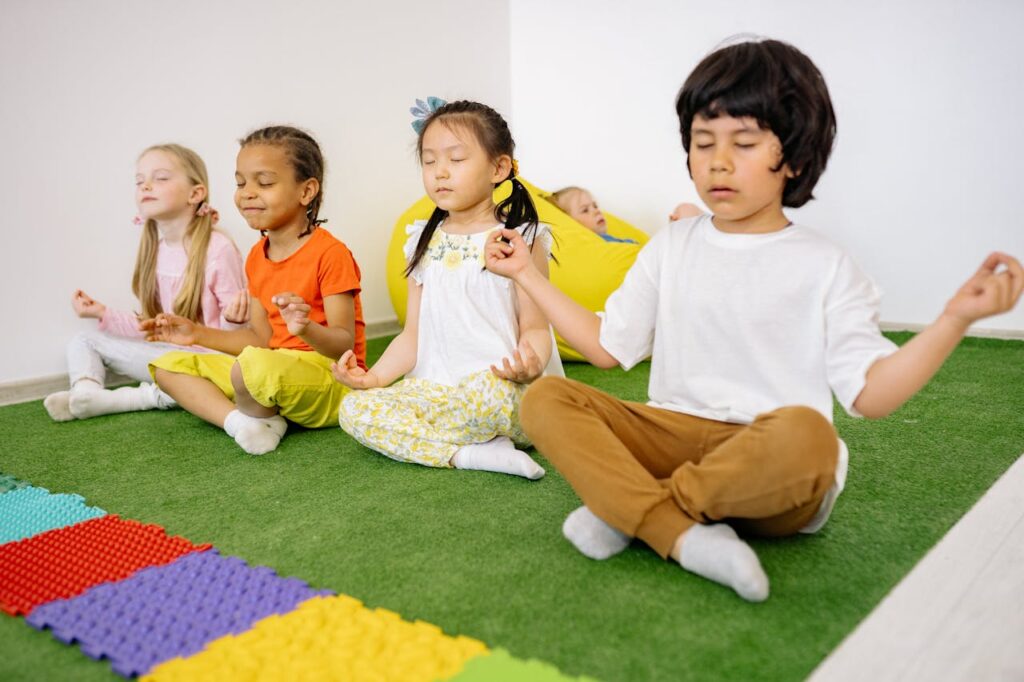
Rainy days don’t have to mean screen time marathons or restless kids bouncing off the walls. As a pediatrician, I’ve seen how consistent, developmentally appropriate indoor activity can bolster cardiovascular health, strengthen muscles, and even improve mood and sleep quality in children. In this comprehensive guide, you’ll discover pediatrician-approved indoor exercise ideas and learn how to transform a gloomy day into an energetic play session—all within the safety of your home. You’ll also find tips on choosing the best indoor play equipment (and where to buy indoor play equipment that meets safety standards), strategies for balancing screen time and active play, and guidance on creating a kid-proof exercise zone. Along the way, I’ll link to our expert resources—like our Essential First-Aid Skills Every Parent Needs: A Pediatrician’s Guide for handling minor bumps and bruises, and our analysis of Screen Time and Sleep: What You Should Know to ensure healthy rest after a vigorous indoor workout. Let’s get started! Why Indoor Exercise Matters on Rainy Days Physical Health Benefits Cardiovascular Fitness: Even short bursts of jumping jacks or “dance parties†increase heart rate, promoting healthy circulation. Muscle Strength and Coordination: Activities like mini obstacle courses and animal walks build core strength and gross motor skills. Weight Management: Regular indoor activity helps maintain a healthy BMI, reducing the risk of childhood obesity. Mental and Emotional Well-Being Mood Regulation: Physical activity triggers endorphin release, which can help lift a child’s mood when the weather outside is dreary. Stress Relief: Guided movement—especially when led by parents—can reduce anxiety and improve focus. Better Sleep: Active play earlier in the day leads to deeper, more restorative sleep at night—learn more in our screen time and sleep guidelines. Pediatrician Insights on Children’s Activity Needs The American Academy of Pediatrics recommends at least 60 minutes of moderate to vigorous physical activity for children and adolescents daily. On days when outdoor play isn’t possible, meeting this goal indoors requires creativity and structure: Variety Is Key: Rotate activities to engage different muscle groups and prevent boredom. Age-Appropriate Challenges: Tailor exercises to your child’s developmental stage—simple hopscotch for toddlers, circuit-style workouts for older kids. Parental Involvement: Kids mimic adult behaviors. Leading by example—joining in a “living room yoga†session—encourages greater enthusiasm and safety awareness. Top 12 Pediatrician-Recommended Indoor Workouts 1. Living Room Circuit Challenge Skills targeted: Strength, endurance, coordinationSetup: Use painter’s tape to mark “stations†on the floor.Stations & Exercises: Station 1: 10 body-weight squats Station 2: 15-second plank hold Station 3: 10 push-ups (or wall push-ups for younger kids) Station 4: 20 jumping jacks Station 5: 30-second high-knee march How to run it: Guide your child through each station, resting 15 seconds between moves. Repeat circuit 2–4 times based on age and fitness level. 2. Indoor Scavenger Hunt with Movement Tasks Skills targeted: Agility, problem-solvingFormat: Create a list of 8–10 household items. For every found item, the child completes an exercise (e.g., find a red sock → 5 lunges; find a spoon → 10 arm circles). 3. Animal Walk Races Skills targeted: Core strength, coordinationVariations: Bear crawl (hands and feet on floor, hips high) Crab walk (face-up, hands and feet on floor, hips off ground) Kangaroo hops (two-footed jumps) Race from one end of the hallway to the other, timing each round. 4. Balloon Volleyball Skills targeted: Hand-eye coordination, cardioEquipment: A balloon and a makeshift net (string or ribbon). Encourage gentle hits to keep the balloon aloft. This game prevents collisions, as the balloon descends slowly. 5. Dance Party Intervals Skills targeted: Cardiovascular fitness, rhythmApproach: Play upbeat songs and alternate 30–45 seconds of free-form dance with 15-second rest breaks. Let your child choose tracks to boost engagement. 6. Indoor Obstacle Course Skills targeted: Agility, balanceCourse elements: Pop-up tunnel (or blanket fort crawl) Cushion stepping-stones (hop from pillow to pillow) Chair limbo (under a broom across two chairs) Balloon weave (weaving around tied balloons) Time each run and challenge your child to beat their personal best. 7. Yoga for Kids Skills targeted: Flexibility, balance, mindfulnessPoses to try: Tree pose, downward dog, child’s pose, cat-cow. Integrate breathing exercises for added calm—an excellent segue into winding down before bed. Learn more about healthy screen usage and sleep routines in our Screen Time and Sleep guide. 8. Mini Trampoline Bounce Skills targeted: Cardio, lymphatic drainageEquipment Tip: When you buy kids indoor fitness equipment, choose a trampoline with sturdy handrails and non-slip feet. Supervise closely and limit sessions to 5–10 minutes at a time. 9. Fitness Dice Game Skills targeted: Variety muscle engagementHow to make: Write six exercises (e.g., mountain climbers, calf raises) on a large foam dice (or cardboard). Roll to determine the next move—20 reps per roll. 10. Staircase Step-Up Challenge Skills targeted: Lower body strength, cardioSafety note: Ensure sturdy handrails; supervise closely. Have the child step up and down one stair at a steady pace for 30–60 seconds. 11. Indoor Basketball Dribble & Shoot Skills targeted: Hand-eye coordination, leg strengthEquipment Tip: A small foam basketball and an over-the-door hoop minimize risk of damage. Encourage “drive and duck†drills to work on speed and spatial awareness. 12. Interactive Fitness Apps & Classes Skills targeted: Multiple, depending on program Safety First—Preparing Your Home for Active Play Before you kick off any workout, follow these pediatrician-recommended safety steps: Clear the Zone: Remove sharp objects, unstable furniture, and tripping hazards. Non-Slip Surfaces: Lay down foam mats or rugs with rubber backing to prevent sliding. Proper Attire: Dress kids in breathable, flexible clothing and well-fitting socks or grip-soled shoes. Hydration Station: Keep water bottles within reach; small frequent sips help maintain energy and prevent cramps. First-Aid Ready: Accidents happen. Review our first-aid essentials to ensure minor scrapes and bumps are managed promptly. Balancing Screen Time and Active Play While screens can offer interactive fitness apps, excessive passive screen use undermines physical health. Pediatricians recommend: Active Screen Sessions Only: Limit screen-based workouts to programs that require movement—avoid passive video watching. Screen-Free Breaks: After 20–30 minutes of app-based activity, encourage free play or tech-free exercises to engage imagination.