

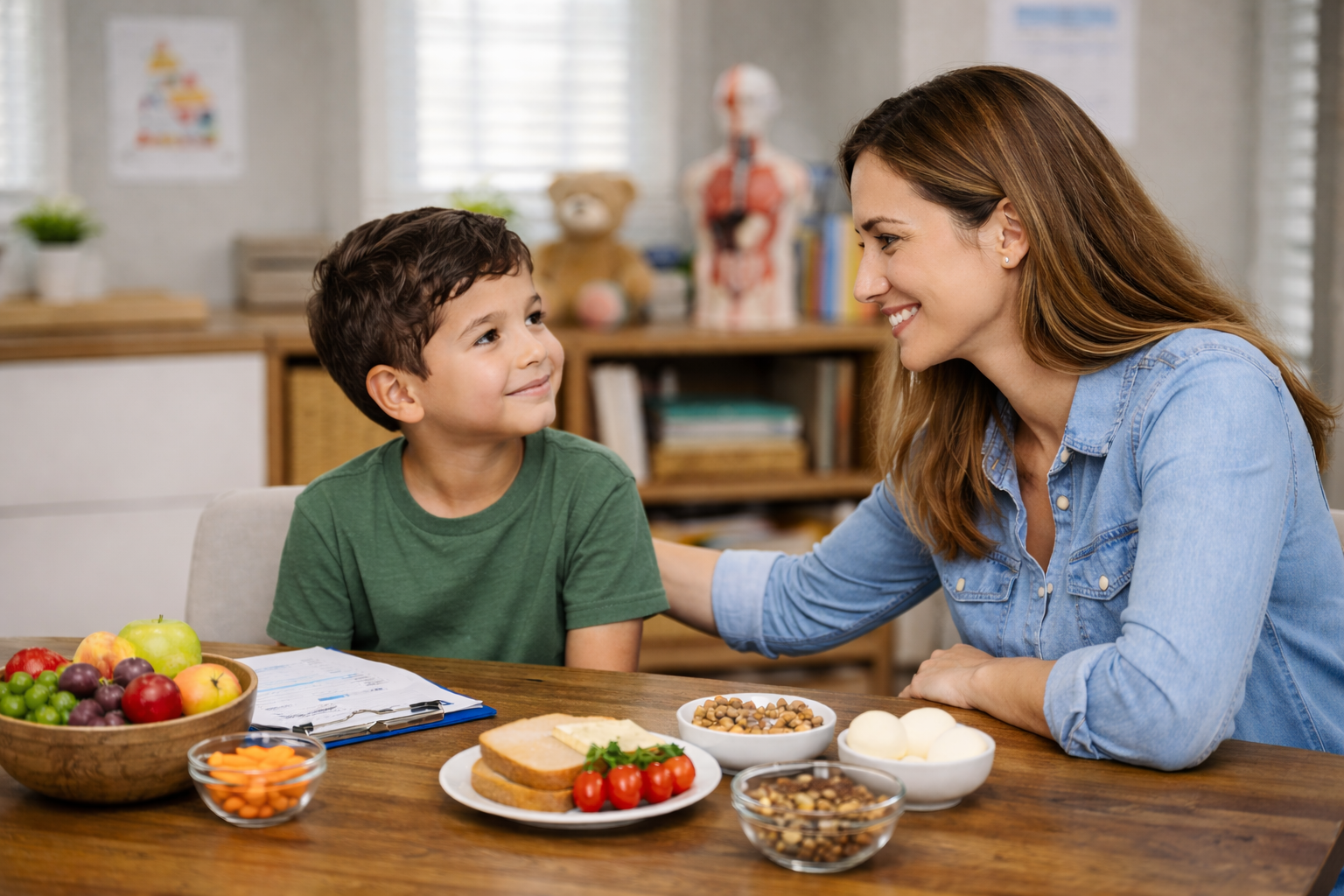
As a parent, you want your child to grow up healthy, active, and full of energy. And the most important way you can support that is through good nutrition. But because of busy schedules and picky eating, it’s natural for parents to feel confused.
If you’ve wondered whether your child is getting the right nutrients or developing healthy habits, you’re not alone at all. These are some of the most common concerns parents have.
The truth is that building healthy eating habits doesn’t require perfection. It’s about creating a balanced routine, offering nutritious choices, and helping your child develop a positive relationship with food.
At Gentle Pediatrics, our trusted pediatric nutritionists in Sugar Land, TX, help children thrive through every stage of growth.
In this guide, we will explain how parents can build healthy eating habits early in their children and how they can deal with common eating-related challenges.
Why Early Nutrition Matters for Children
The early years of a child’s life are very important for growth and development. Proper nutrition supports:
-
Brain development
-
Strong bones and muscles
-
Healthy immune system
-
Stable energy levels
-
Emotional and behavioral balance
Eating habits formed in childhood often continue into adulthood. That’s why introducing balanced meals early can set the foundation for lifelong health.
Building a Balanced Children’s Meal Plan
A well-rounded children’s meal plan doesn’t need to be complicated. The goal is to include a variety of nutrients that support your child’s development.
Key Food Groups to Include
A balanced meal should include:
-
Fruits and Vegetables: Rich in vitamins, minerals, and fiber.
-
Whole Grains: Provide energy and support digestion.
-
Protein Sources (Eggs, Beans, Chicken, Fish, or Tofu): Important for muscle building.
-
Dairy Products: Rich sources of calcium that support bone health.
-
Healthy Fats: Found in nut butters (spread thinly), crushed nuts mixed into food, seeds, and certain oils. (Note: Avoid offering whole nuts to children under 4 years old, as they are a significant choking hazard.)
Offering a mix of these food groups helps ensure your child gets the nutrients they need.
Portion Sizes Made Simple
Children’s portion sizes are smaller than adults’, and they vary by age and activity level.
A simple approach:
-
Let your child start with small portions
-
Allow them to ask for more if they’re still hungry
-
Avoid forcing them to finish everything on their plate
Listening to hunger and fullness cues helps children develop healthy eating habits.
Sample Daily Meal Structure
Here’s an example of a simple children’s meal plan:
Breakfast
-
Whole-grain toast
-
Scrambled eggs
-
Fresh fruit
Mid-Morning Snack
-
Yogurt or milk
-
Thinly sliced fruit or a small amount of nut butter spread on whole-grain crackers (Avoid whole nuts for toddlers)
Lunch
-
Rice
-
Vegetables
-
Fish or chicken
Afternoon Snack
-
Fresh fruit slices
Dinner
-
Balanced mix of grains, protein, and vegetables
This structure provides steady energy throughout the day.
Healthy Eating Habits to Teach Early
Apart from what children eat, how they eat is equally important.
1. Encourage Regular Meal Times
Consistent meal and snack times help regulate hunger and prevent overeating.
Try to:
-
Serve meals at similar times each day
-
Limit constant snacking
-
Create a routine your child can rely on
2. Make Mealtimes Positive
Avoid turning meals into a battle.
Instead:
-
Sit together as a family when possible
-
Keep conversations relaxed and positive
-
Avoid pressure or punishment related to food
Children are more likely to try new foods in a calm environment.
3. Introduce New Foods Gradually
It’s normal for children to be hesitant about new foods.
Helpful tips:
-
Offer new foods alongside familiar favorites
-
Be patient, as children may need multiple exposures
-
Avoid forcing or bribing
Over time, curiosity often replaces resistance.
4. Limit Sugary and Processed Foods
While occasional treats are fine, frequent consumption of sugary or processed foods can affect your child’s health.
Try to:
-
Reduce sugary drinks
-
Limit packaged snacks
-
Choose whole, fresh foods whenever possible
Balance is key, not restriction.
Common Nutrition Challenges Parents Face
Every family encounters challenges when it comes to feeding children. Understanding these issues can help you respond with confidence.
1. Picky Eating
Picky eating is one of the most common concerns among parents.
Children may:
-
Refuse certain textures or flavors
-
Prefer the same foods repeatedly
-
Avoid vegetables
What helps:
-
Continue offering a variety of foods
-
Avoid labeling your child as “picky”
-
Lead by example with your own eating habits
Most children gradually expand their preferences over time.
2. Skipping Meals
Some children may skip meals due to lack of appetite or distractions.
To manage this:
-
Stick to a regular schedule
-
Limit snacks before meals
-
Create a distraction-free eating space
3. Overeating or Constant Snacking
Frequent snacking can reduce appetite for balanced meals.
Helpful strategies:
-
Offer structured snack times
-
Provide nutritious snack options
-
Encourage mindful eating
4. Food Allergies or Sensitivities
If your child has food allergies, meal planning requires extra care.
You may need to:
-
Avoid specific ingredients
-
Read labels carefully
-
Work with a pediatrician or specialist
In such cases, guidance from a pediatric nutritionist in Sugar Land, TX, can help ensure your child still receives balanced nutrition.
When to Seek Help from a Pediatric Nutritionist
While many nutrition concerns can be managed at home, some situations benefit from professional guidance.
Consider consulting a pediatric nutritionist if your child:
-
Has a limited food variety
-
Is underweight or overweight
-
Has food allergies or digestive issues
-
Experiences poor growth
-
Has specific medical conditions affecting diet
A nutritionist can create a personalized children’s meal plan based on your child’s needs.
Tips for Busy Parents
Balancing work, school, and daily responsibilities can make meal planning feel overwhelming. Small changes can make a big difference.
1. Plan Meals Ahead
Preparing meals in advance helps save time and reduce stress.
You can:
-
Plan weekly menus
-
Prep ingredients in batches
-
Cook larger portions for leftovers
2. Keep Healthy Snacks Ready
Having nutritious snacks easily available encourages better choices.
Examples include:
-
Cut fruits and vegetables
-
Yogurt
-
Nut butters or ground seeds mixed into yogurt (Always ensure snacks are age-appropriate and cut into small, non-round pieces to prevent choking)
-
Homemade snacks
3. Involve Your Child
Children are more likely to eat foods they help prepare.
Let them:
-
Choose fruits or vegetables at the store
-
Help with simple cooking tasks
-
Participate in meal planning
This builds interest and confidence around food.
Nutrition Support at Gentle Pediatrics in Sugar Land
At Gentle Pediatrics, we understand that every child’s nutritional needs are unique. We provide guidance to help families build healthy routines that work in real life.
Our services include:
-
Growth and nutrition assessments
-
Support with picky eating
-
Guidance on balanced children’s meal plans
-
Management of food allergies and sensitivities
We aim to help children develop strong, healthy habits that last a lifetime.
Why Families Trust Gentle Pediatrics
Families across Sugar Land and nearby communities choose Gentle Pediatrics for compassionate and practical care.
We focus on:
- Personalized guidance for every child
- Simple, easy-to-follow nutrition advice
- A supportive, judgment-free environment
- Long-term health and wellness
- Collaboration with specialists when needed
We believe that small, consistent steps lead to meaningful results.
Final Thoughts
Building healthy eating habits in children doesn’t happen overnight. It’s a gradual process that involves patience, consistency, and encouragement.
When you offer balanced meals, create positive mealtime experiences, and encourage healthy behaviors, you can help your child develop a strong foundation for lifelong wellness.
Remember, it’s not about perfection but about progress.
If you ever feel unsure or need extra support, guidance from a pediatric nutritionist in Sugar Land, TX, can make the journey easier and more effective.
At Gentle Pediatrics, we are here to support your family with practical advice and compassionate care.
Schedule a Nutrition Appointment in Sugar Land
If you have concerns about your child’s eating habits or nutrition, early guidance can make a big difference.
Gentle Pediatrics proudly serves families in:
-
Sugar Land
-
Richmond
-
Rosenberg
-
Stafford
-
Katy
-
Houston
Gentle Pediatrics — Sugar Land, Texas
Call our office today at (832) 222-5437 to schedule an appointment and receive expert support in building healthy eating habits for your child.
Frequently Asked Questions
1. What should a healthy children’s meal plan include?
A balanced plan should include fruits, vegetables, whole grains, protein, dairy (or alternatives), and healthy fats.
2. How do I handle picky eating?
Continue offering a variety of foods without pressure. Patience and consistency are key.
3. How many meals should children eat per day?
Most children benefit from three main meals and two healthy snacks daily.
4. When should I consult a pediatric nutritionist?
If your child has growth concerns, food allergies, or limited eating habits, professional guidance can be helpful.
5. Are snacks important for children?
Yes, healthy snacks provide energy between meals and support growth and development.