

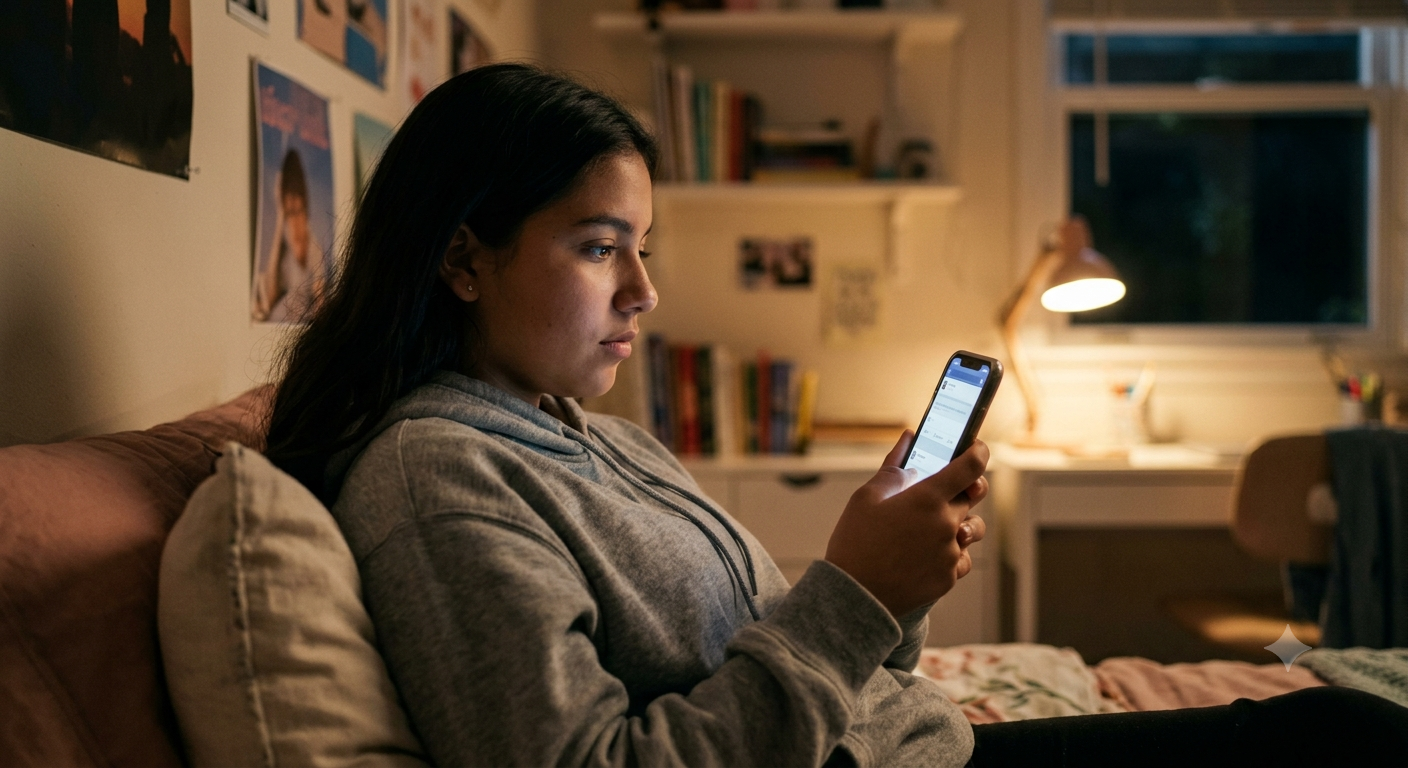
Quick Answer: Social media can positively support adolescents by helping them stay connected, learn, and find supportive communities, but excessive or unhealthy use may contribute to anxiety, low self-esteem, poor sleep, social comparison, loneliness, and cyberbullying. Parents can reduce these risks by maintaining open communication, setting healthy screen-time boundaries, encouraging offline activities, modeling balanced technology use, and prioritizing sleep. If a teen experiences persistent emotional distress, behavioral changes, or declining academic performance, professional evaluation and support are recommended.
As a pediatrician, I regularly speak with parents who are concerned about the amount of time their teenagers spend on social media.
Questions I often hear include: “Is social media making my teen anxious?” “Why does my child seem sad after spending hours online?”
These concerns are becoming increasingly common. Social media is now a major part of everyday life for many adolescents. Platforms such as Instagram, TikTok, and Snapchat allow teens to connect, communicate, and express themselves in ways that previous generations could not.
While social media offers many benefits, it can also affect a teenager’s emotional well-being, self-esteem, sleep, and overall mental health.
As a board-certified pediatrician with more than two decades of experience caring for children and adolescents, I have seen how digital technology can influence young people’s lives. Understanding both the positive and negative effects of social media is an important part of modern adolescent care.
In this guide, I will explain how social media affects c mental health, what warning signs parents should watch for, and practical ways families can create healthier digital habits.
Social Media Has Become Part of Teen Life
Today’s adolescents are growing up in a digital world.
Social media allows teenagers to:
- Stay connected with friends
- Share experiences
- Explore interests and hobbies
- Access educational content
- Join supportive communities
For many teens, social media is an important part of social interaction.
Used appropriately, these platforms can help young people feel connected and supported.
However, problems can arise when social media use becomes excessive or begins affecting emotional well-being.
The Positive Effects of Social Media
It is important to recognize that social media is not entirely harmful.
In fact, many adolescents benefit from positive online experiences.
1. Staying Connected
Social media helps teens maintain friendships and stay connected with family members.
This can be especially helpful for adolescents who:
- Have moved to a new area
- Attend different schools
- Have limited opportunities for in-person socialization
2. Finding Supportive Communities
Many young people use online communities to connect with others who share similar interests or experiences.
This may include:
- Academic groups
- Sports communities
- Creative hobbies
- Health support groups
These connections can help some adolescents feel understood and supported.
3. Access to Educational Content
Many platforms offer educational resources that encourage learning.
Teens can access:
- Study tips
- Educational videos
- Career information
- Creative projects
When used responsibly, social media can be a valuable learning tool.
The Negative Effects of Social Media on Mental Health
While social media has benefits, excessive or unhealthy use may contribute to mental health concerns.
1. Social Comparison
One of the most common issues I discuss with families is social comparison.
Many social media posts show only carefully selected highlights of a person’s life.
Teenagers may compare themselves to:
- Friends
- Influencers
- Celebrities
- Classmates
This can lead to feelings of:
- Inadequacy
- Low self-esteem
- Dissatisfaction with appearance
- Anxiety
It is important for teens to understand that social media often presents an unrealistic picture of reality.
2. Increased Anxiety
Some adolescents feel pressure to:
- Respond immediately to messages
- Maintain online popularity
- Keep up with trends
- Gain likes and followers
This constant pressure can contribute to stress and anxiety.
In some cases, teens may become overly concerned about how others perceive them online.
3. Depression and Loneliness
Ironically, spending more time online does not always lead to stronger social connections.
Some teenagers report feeling:
- Isolated
- Left out
- Lonely
Seeing photos of events they were not invited to or comparing their lives to others may negatively affect their mood.
Parents should pay attention if social media use appears to coincide with changes in emotional well-being.
How Social Media Affects Self-Esteem
Adolescence is a time when identity and self-confidence are still developing.
Social media can influence how teenagers view themselves.
Common concerns include:
1. Appearance Pressure
Many platforms emphasize appearance-based content.
Teens may compare themselves to:
- Edited photos
- Filters
- Unrealistic beauty standards
This can contribute to body image concerns.
2. Seeking Validation
Some adolescents begin to measure self-worth through:
- Likes
- Comments
- Followers
- Online attention
When online engagement does not meet expectations, self-esteem may suffer.
Healthy confidence should come from personal values, achievements, and relationships, not social media metrics.
The Connection Between Social Media and Sleep
Sleep is one of the most important factors in adolescent health.
Many teenagers stay up late scrolling through feeds or checking notifications throughout the night. Beyond the psychological stimulation, the specific blue light wavelengths emitted from smartphone and tablet digital screens actively suppress the brain’s natural production of melatonin. Melatonin is the essential hormone required to regulate sleep-wake cycles and signal the body to enter deep, restorative sleep.
This chemical disruption leads to chronic sleep deprivation, which directly causes:
- Severe mood volatility
- Daytime irritability
- Executive dysfunction
- Heightened clinical anxiety
As part of comprehensive adolescent care, I often discuss sleep hygiene with families because it directly affects mental and physical health.
Cyberbullying and Online Harassment
Cyberbullying is another major concern.
Unlike traditional bullying, online harassment can occur at any time of day.
Examples include:
- Hurtful comments
- Rumors
- Public embarrassment
- Exclusion from online groups
Children who experience cyberbullying may develop:
- Anxiety
- Depression
- Low self-esteem
- School avoidance
Parents should encourage open communication and create a safe environment where teens feel comfortable discussing online experiences.
Signs Social Media May Be Affecting Your Teen’s Mental Health
Parents should watch for changes that may suggest social media is negatively impacting emotional well-being.
Potential warning signs include:
- Increased anxiety
- Persistent sadness
- Irritability
- Withdrawal from family or friends
- Sleep problems
- Declining academic performance
- Loss of interest in activities
- Excessive concern about online interactions
These symptoms do not automatically mean social media is the cause, but they warrant attention and discussion.
Practical Strategies for Parents
Parents play an important role in helping teens develop responsible digital habits.
1. Keep Communication Open
Talk regularly about:
- Social media experiences
- Online friendships
- Digital safety
- Emotional well-being
Avoid judgment and encourage honest conversations.
2. Set Healthy Boundaries
Consider creating family guidelines such as:
- Screen-free meals
- No phones during homework
- Device-free bedrooms at night
Consistent expectations help establish healthy habits.
3. Encourage Offline Activities
Help teens balance screen time with:
- Sports
- Music
- Reading
- Volunteering
- Family activities
Real-world experiences are essential for healthy development.
4. Model Healthy Technology Use
Children often learn by observing adults.
Parents who demonstrate balanced screen habits send a powerful message.
A Real Experience From My Practice
Throughout my years in pediatric medicine, I have cared for many adolescents experiencing stress related to social media.
I recall a teenager whose parents noticed increasing anxiety and sleep difficulties.
The teen was spending several hours each evening checking social media and comparing themselves to peers.
After discussing healthy digital habits, improving sleep routines, and reducing nighttime screen use, the family reported significant improvements in mood, confidence, and overall well-being.
Experiences like this highlight how small changes can sometimes make a meaningful difference.
When Parents Should Seek Professional Help
While occasional stress is normal, some situations require professional evaluation.
Parents should seek medical guidance if their teenager experiences:
- Persistent anxiety
- Ongoing depression
- Significant sleep problems
- Self-harm concerns
- Social withdrawal
- Academic decline
- Severe emotional distress
Early intervention often leads to better outcomes. Mental health concerns should always be taken seriously.
Why Families Trust Gentle Pediatrics
At Gentle Pediatrics, we believe adolescent healthcare extends beyond physical health.
Families trust us because we provide:
Comprehensive adolescent care
Evidence-based guidance
Mental health support
Preventive care
Compassionate communication
We work closely with families to support healthy development during the important teenage years.
About Dr. Shahid Hasnain
I am Dr. Shahid Hasnain, a board-certified pediatrician with more than two decades of experience caring for infants, children, and adolescents.
My professional training includes:
- Master of Public Health, specializing in Maternal and Child Health
- Pediatric Internship at Lincoln Hospital in New York
- Pediatric Residency at the University of Tennessee Medical Center
- Chief Resident during residency training
- Board Certification through the American Board of Pediatrics since 1998
Throughout my career, I have remained committed to helping children and families make informed decisions that support lifelong health and well-being.
Final Thoughts
Social media is now a permanent part of modern adolescence. While it offers opportunities for connection, learning, and self-expression, it can also contribute to anxiety, low self-esteem, sleep problems, and other mental health challenges when used excessively or without appropriate boundaries.
Parents do not need to fear social media, but they should remain actively involved in their teenager’s digital life.
Open communication, healthy habits, and ongoing support can help adolescents enjoy the benefits of social media while minimizing its risks.
At Gentle Pediatrics, we are committed to supporting families through every stage of childhood and adolescence.
Schedule an Adolescent Health Visit
If you have concerns about your teenager’s emotional well-being, screen habits, or overall development, our team is here to help.
Gentle Pediatrics proudly serves families throughout:
- Sugar Land
- Richmond
- Rosenberg
- Stafford
- Katy
- Houston
Gentle Pediatrics — Sugar Land, Texas
Contact our office today to schedule an appointment and learn more about comprehensive adolescent care services for your child.
Frequently Asked Questions
1. Can social media cause anxiety in teenagers?
Social media can contribute to anxiety in some adolescents, especially when it involves excessive comparison, cyberbullying, or pressure to maintain an online image.
2. How does social media affect sleep?
Late-night screen use and constant notifications can interfere with sleep quality and duration.
3. What are the signs that social media is negatively affecting my child?
Warning signs may include anxiety, mood changes, sleep problems, withdrawal from activities, or declining school performance.
4. Should parents monitor social media use?
Parents should maintain open communication, establish healthy boundaries, and remain involved in their child’s online activities in age-appropriate ways.
5. When should I seek professional help?
If your teen experiences persistent anxiety, depression, emotional distress, or significant behavioral changes, speak with a healthcare professional.
This article is intended for educational and informational purposes only and does not replace professional medical advice, diagnosis, or treatment. If your teen is experiencing persistent anxiety, depression, sleep difficulties, or other mental or behavioral health concerns, consult a qualified healthcare provider or pediatrician for a personalized evaluation and appropriate care.