

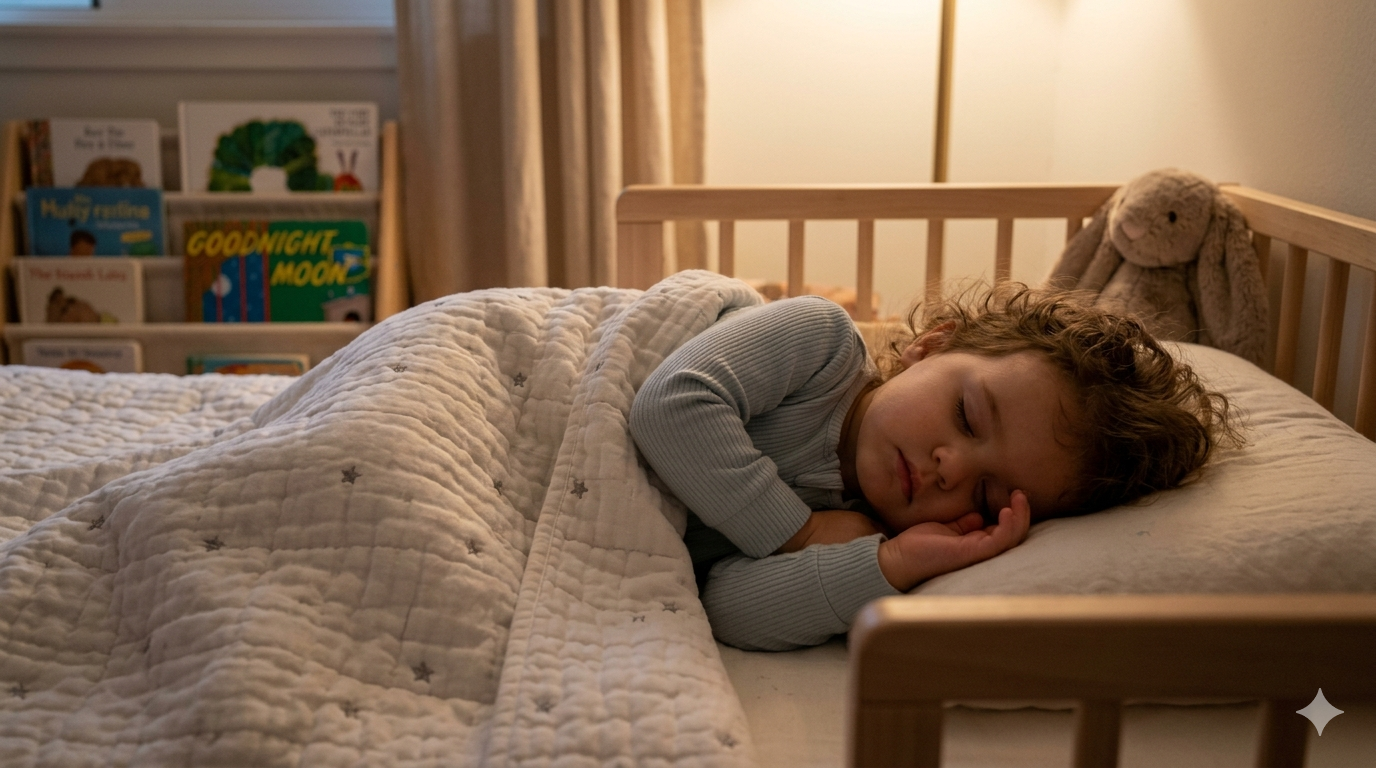
Sleep plays a crucial role in your child’s growth, development, and well-being. Yet, parents often wonder whether their child is getting enough sleep.
Sleep patterns can vary widely among children. Newborns wake up every few hours, while school children often resist bedtime. It’s completely natural to feel unsure about what’s normal and what may need attention.
The truth is that while every child is unique, there are general sleep guidelines based on age that can help you understand your child’s needs. Establishing healthy habits early can improve mood, behavior, learning, and physical health.
At Gentle Pediatrics, we regularly help families understand sleep patterns and address concerns at our pediatric clinic in Sugar Land. In this guide, we will help you build sleeping routines that support restful, consistent sleep for your child.
Why Sleep Is So Important for Children
Sleep is essential for healthy development.
During sleep, your child’s body:
- Supports brain development and learning
- Strengthens the immune system
- Promotes physical growth
- Regulates emotions and behavior
Children who get enough sleep tend to:
- Have better focus and memory
- Experience fewer mood swings
- Maintain a healthier routine
On the other hand, lack of sleep can lead to irritability, difficulty concentrating, and even long-term health concerns.
Recommended Sleep by Age
While individual needs may vary, pediatric experts provide general guidelines to help parents understand how much sleep children typically need.
Newborns (0-3 Months)
Recommended sleep: 14-17 hours per day
Newborns sleep in short cycles throughout the day and night. It is completely normal for them to wake up every 2-3 hours for feeding.
What to expect:
- No clear day-night schedule
- Frequent waking
- Short naps
At this stage, focus on:
- Feeding on demand
- Creating a calm sleep environment
- Gently introducing day vs night routines
Infants (4-12 Months)
Recommended sleep: 12-16 hours per day (including naps)
As babies grow, they begin to develop more structured sleep patterns.
Typical changes include:
- Longer nighttime sleep
- 2–3 daytime naps (usually transitioning to 2 naps by 9 months)
- More predictable bedtime routines
Helpful tips:
- Establish a consistent bedtime
- Create a calming routine (bath, story, feeding)
- Place your baby to sleep when drowsy but awake
If sleep challenges arise, visiting a pediatric clinic in Sugar Land can help identify underlying issues and provide guidance.
Toddlers (1–2 Years)
Recommended sleep: 11–14 hours per day
Toddlers are active and curious, which can sometimes make bedtime a challenge.
Common patterns:
- 1–2 naps during the day
- Resistance to bedtime
- Occasional night waking
To support better sleep:
- Keep bedtime consistent
- Limit screen exposure before sleep
- Offer comfort and reassurance
Preschoolers (3–5 Years)
Recommended sleep: 10–13 hours per day
At this stage, children may begin dropping naps, which can affect nighttime sleep.
You may notice:
- Increased independence at bedtime
- Fear of the dark or separation anxiety
- Difficulty settling down
Helpful strategies:
- Maintain a relaxing bedtime routine
- Use night lights if needed
- Encourage quiet activities before bed
School-Age Children (6–12 Years)
Recommended sleep: 9–12 hours per day
As children start school, schedules become more structured, but sleep can sometimes be overlooked.
Common challenges:
- Homework and extracurricular activities
- Screen time before bed
- Irregular sleep schedules on weekends
To promote healthy sleep:
- Set a consistent bedtime and wake-up time
- Limit electronics in the evening
- Create a quiet, comfortable sleep environment
Teenagers (13–18 Years)
Recommended sleep: 8–10 hours per day
Teenagers often struggle with sleep due to busy schedules and natural changes in their internal clock.
You may notice:
- Staying up late
- Difficulty waking up early
- Daytime fatigue
Encourage:
- Regular sleep routines
- Reduced late-night screen use
- Balanced daily schedules
If sleep issues persist, consulting a pediatrician in Sugar Land, Texas, can help identify possible concerns.
Signs Your Child May Not Be Getting Enough Sleep
Even if your child seems active, they may still be sleep-deprived.
Watch for signs such as:
- Irritability or mood swings
- Difficulty waking up in the morning
- Trouble focusing or learning
- Frequent yawning or fatigue
- Hyperactivity (especially in younger children)
If these symptoms are ongoing, it may be time to review your child’s sleep habits.
Common Sleep Challenges Parents Face
Sleep issues are very common in children, and most families experience them at some point:
Bedtime Resistance
Many children resist going to bed, especially toddlers and preschoolers.
They may:
- Ask for extra stories or snacks
- Leave their bed repeatedly
- Become upset at bedtime
What helps:
- Consistency with bedtime rules
- Calm, predictable routines
- Avoiding stimulating activities before bed
Night Wakings
It’s normal for younger children to wake at night, but frequent waking can be exhausting for parents.
Possible reasons include:
- Hunger
- Discomfort
- Separation anxiety
Gradually encouraging self-soothing can help improve sleep over time.
Nightmares and Night Terrors
Children may experience nightmares, especially during periods of growth or stress.
To help:
- Offer reassurance for nightmares (if your child wakes up), but during a night terror, avoid waking the child and focus on keeping them safe until the episode passes.
- Maintain a comforting bedtime routine
- Avoid scary content before bed
If episodes are frequent or severe, a visit to a pediatric clinic in Sugar Land can provide further guidance.
Irregular Sleep Schedules
Inconsistent sleep routines can disrupt your child’s natural sleep cycle.
Try to:
- Keep consistent sleep and wake times
- Avoid large schedule changes on weekends
- Reinforce daily routines
Tips for Building Healthy Sleep Habits
Establishing good sleep habits early can make a lasting difference.
Create a Consistent Bedtime Routine
A predictable routine helps signal the body that it’s time to sleep.
Examples include:
- Bath time
- Reading a book
- Quiet conversation
Limit Screen Time Before Bed
Screens can interfere with sleep by affecting the body’s natural rhythms.
Try to:
- Avoid screens at least 1 hour before bedtime
- Replace screen time with calming activities
Make the Sleep Environment Comfortable
A child’s bedroom should support restful sleep.
Consider:
- Comfortable bedding
- Dim lighting
- Minimal noise
Encourage Physical Activity During the Day
Active children tend to sleep better at night.
Ensure your child gets:
- Outdoor play
- Physical exercise
- Balanced daily activity
When to Talk to a Pediatrician About Sleep
While many sleep issues are temporary, some may require medical attention.
Consider consulting a pediatrician in Sugar Land, Texas if your child:
- Has persistent difficulty falling or staying asleep
- Snores loudly or has breathing pauses during sleep
- Experiences extreme daytime fatigue
- Shows behavioral changes related to poor sleep
Early evaluation can help identify and address underlying concerns.
Sleep Support at Gentle Pediatrics in Sugar Land
At Gentle Pediatrics, we understand how important healthy sleep is for your child’s development.
We help with:
- Sleep habit guidance by age
- Evaluation of sleep concerns
- Support for bedtime routines
- Assessment of sleep-related issues
- Ongoing developmental care
As a trusted pediatric clinic in Sugar Land, we work closely with families to create practical solutions that fit into daily life.
Why Families Choose Gentle Pediatrics
Families across Sugar Land and nearby communities rely on Gentle Pediatrics for compassionate, personalized care.
We focus on:
- Individual attention for every child
- Clear and simple guidance for parents
- A calm, child-friendly environment
- Support for healthy routines, including sleep
- Long-term wellness and development
Our goal is to help children grow up healthy, well-rested, and thriving.
Final Thoughts for Parents
Understanding how much sleep your child really needs can make a big difference in their health and happiness. While sleep challenges are common, small changes in routine and environment can lead to meaningful improvements.
Every child is different, and it may take time to find what works best for your family. The key is consistency, patience, and a supportive approach.
If you ever feel unsure or concerned about your child’s sleep, guidance from a trusted pediatrician in Sugar Land, Texas can provide reassurance and practical solutions.
At Gentle Pediatrics, we are here to support your family every step of the way.
Schedule a Visit with a Pediatrician in Sugar Land
If you have concerns about your child’s sleep or overall health, professional guidance can help.
Gentle Pediatrics proudly serves families in:
- Sugar Land
- Richmond
- Rosenberg
- Stafford
- Katy
- Houston
Gentle Pediatrics — Sugar Land, Texas
Call our office today at (832) 222-5437 to schedule an appointment and receive expert care.
Frequently Asked Questions
1. What time should my child go to bed?
Bedtime depends on your child’s age and schedule, but it should allow them to get the recommended hours of sleep.
2. Is it normal for children to wake up at night?
Yes, especially in younger children. Most outgrow frequent night waking with time.
3. How can I fix my child’s sleep schedule?
Gradually adjust bedtime and wake time while maintaining a consistent routine.
4. Are naps necessary for older children?
Naps are usually phased out by school age, but younger children still benefit from them.
5. When should I worry about my child’s sleep?
If sleep issues are persistent, severe, or affecting daily life, it’s best to consult a pediatrician.