
Children are naturally active and love playing outdoor sports like basketball and soccer. Staying active is undoubtedly great for their health and development, but it also means occasional injuries are part of the journey.
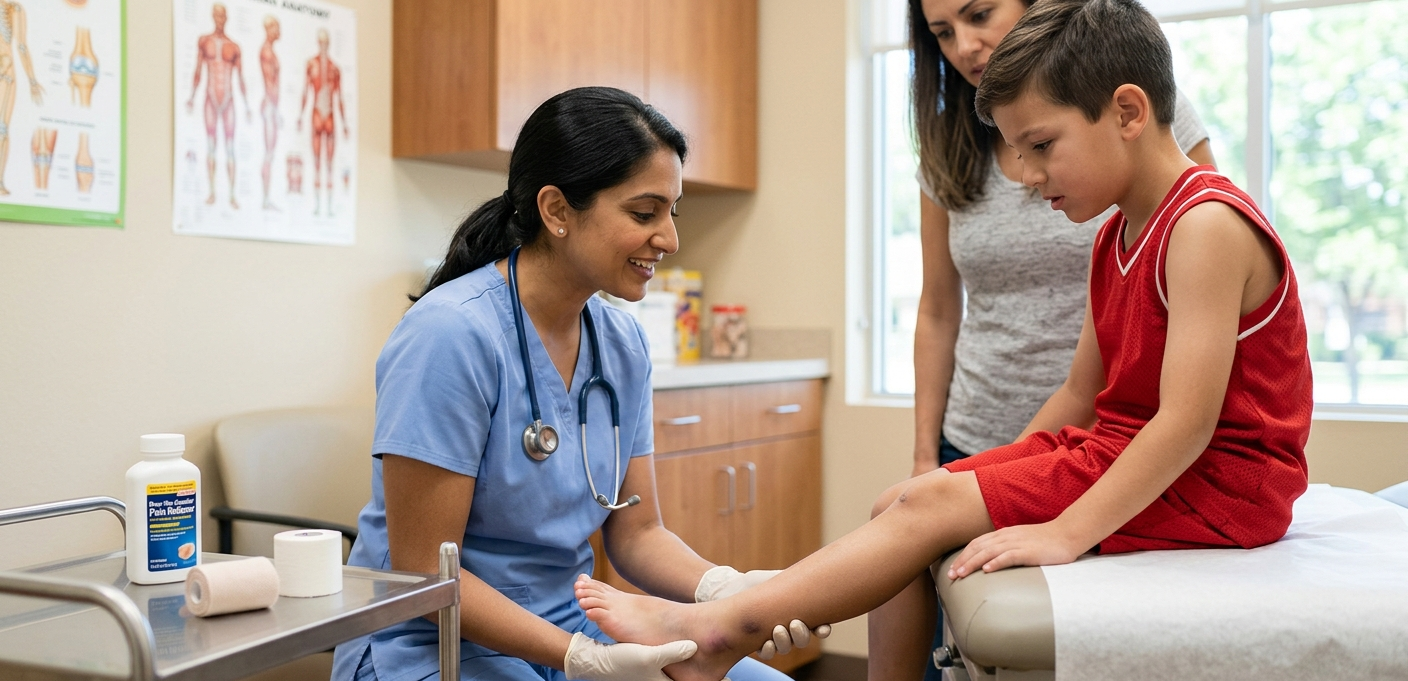
Sprains and strains are among the most common injuries children experience during sports and physical activity. And as a parent, it can be difficult to know how serious the injury is, what care your child needs, and when to see a doctor.
If your child has ever limped off the field or complained of muscle or joint pain after activity, you’re not alone. And there is nothing to worry about, either. Most sprains and strains can be managed effectively with the right care and guidance.
At Gentle Pediatrics in Sugar Land, we provide comprehensive sports injury care to help children recover safely and return to the activities they love. In this guide, we will break down how parents can treat sprains and strains in children and prevent future sports injuries.
Understanding Sprains and Strains
Although the terms are often used together, sprains and strains affect different parts of the body.
What Is a Sprain?
A sprain occurs when a ligament (the tough, fibrous tissue connecting bone to bone) is stretched or torn.
Common areas affected:
- Ankles
- Wrists
- Knees
Sprains often happen due to:
- Twisting movements
- Falls
- Sudden changes in direction
What Is a Strain?
A strain involves injury to a muscle or a tendon (the cord that attaches muscle to bone).
Common causes include:
- Overuse
- Sudden force
- Improper movement during activity
Strains often affect:
- Hamstrings
- Calves
- Back
Common Causes of Sports Injuries in Children
Children are still developing coordination, strength, and balance, which makes them more prone to injuries.
Some common causes include:
- Lack of proper warm-up
- Overuse from repetitive activity
- Poor technique or form
- Inadequate protective gear
- Playing on unsafe surfaces
Understanding these factors can help reduce the risk of future injuries.
Signs and Symptoms to Watch For
Recognizing the symptoms early can help you take the right steps for care:
Symptoms of Sprains
- Pain around the joint
- Swelling and immediate bruising
- A “popping” sound or sensation at the time of injury
- Difficulty moving the joint
- Instability
Symptoms of Strains
- Muscle pain or tenderness
- Swelling
- Limited movement
- Muscle spasms
- Cramping
If your child is unable to bear weight or move the affected area, a medical evaluation is important.
Immediate First Aid for Sprains and Strains
Taking quick action after an injury can reduce pain and prevent further damage.
The R.I.C.E. Method
This is a simple and effective approach:
- Rest: Avoid using the injured area. For the first 48 hours, “relative rest” is key.
- Ice: Apply ice packs for 15–20 minutes every few hours. Never apply ice directly to the skin; always use a cloth or towel as a barrier to prevent frostbite.
- Compression: Use an elastic bandage to limit swelling. Ensure it is snug but not so tight that it causes numbness or tingling.
- Elevation: Keep the injured area raised above the level of the heart to help gravity reduce swelling.
Pain Management
Over-the-counter pain relief (like ibuprofen or acetaminophen) may help. However, never give Aspirin to a child or teenager due to the risk of Reye’s Syndrome, a rare but serious condition.
When to Seek Medical Care
While many minor injuries can be managed at home, some situations require professional care.
Seek medical attention if your child:
- Cannot walk or use the affected limb
- Has pain directly over a bone (which may indicate a fracture or growth plate injury)
- Shows signs of deformity
- Has persistent symptoms that do not improve after 48–72 hours
- Experiences numbness or “pins and needles” in the affected area
Prompt evaluation ensures proper diagnosis and prevents long-term complications.
Diagnosis and Treatment
At a pediatric clinic, your child’s injury will be carefully assessed.
Evaluations may include:
- Physical examination
- Questions about how the injury occurred
- Imaging (such as X-rays), if needed
Treatment depends on the severity of the injury. It may include:
- Continued rest and activity modification
- Bracing or splinting
- Physical therapy exercises
- Pain management
The goal is to promote healing while safely restoring movement and strength.
Recovery and Returning to Sports
Returning to activity too soon can increase the risk of re-injury.
Signs Your Child Is Ready
- No pain during movement
- Full range of motion
- Strength has returned
- Ability to perform basic activities comfortably
Gradual Return
Encourage your child to:
- Start with light activity
- Slowly increase intensity
- Follow guidance from a healthcare provider
A proper recovery plan is an essential part of effective sports injury care.
Preventing Future Injuries
Prevention plays a key role in keeping children active and safe.
Warm-Up and Stretching
Before any activity:
- Encourage light warm-ups
- Include stretching exercises
Use Proper Equipment
Make sure your child uses:
- Well-fitting shoes
- Protective gear
- Sport-specific equipment
Encourage Good Technique
Proper form reduces strain on muscles and joints.
Avoid Overuse
Allow time for rest and recovery, especially if your child participates in multiple sports.
Importance of Sports Physicals
A sports physical in Sugar Land is an important step in preparing your child for athletic activities. It is a medical evaluation that ensures your child is healthy and ready for sports participation.
Its benefits include:
- Identifying potential health concerns
- Assessing strength and flexibility
- Providing injury prevention advice
- Ensuring safe participation in sports
Regular checkups help support both performance and safety.
Common Concerns Parents Often Have
Parents often have the following concerns regarding injuries:
Are Sprains and Strains Serious?
Most are mild and heal with proper care. However, more severe injuries may require medical attention.
How Long Does Recovery Take?
Recovery time varies depending on the injury. Mild cases may heal within a few days, while more serious injuries may take weeks.
Can My Child Continue Playing After an Injury?
It’s best to allow proper healing before returning to activity to avoid worsening the injury.
Should I Use Heat or Ice?
Use ice for the first 48 hours to reduce swelling. Only switch to heat after the swelling has subsided to help loosen tight muscles.
Sports Injury Care at Gentle Pediatrics in Sugar Land
At Gentle Pediatrics in Sugar Land, we provide comprehensive sports injury care for children of all ages.
We help with:
- Evaluation of sprains and strains
- Treatment planning and follow-up
- Guidance on safe return to activity
- Preventive care and education
Our aim is to help children recover safely while supporting their active lifestyles.
Why Families Choose Gentle Pediatrics
Families across Sugar Land and nearby areas trust Gentle Pediatrics for reliable and compassionate care.
We focus on:
- Personalized care for every child
- Prompt evaluation and treatment
- Clear communication with parents
- A child-friendly environment
- Long-term health and injury prevention
Our goal is to keep children healthy, active, and confident.
Final Thoughts for Parents
Sprains and strains are a common part of growing up active, but with the right care, most children recover fully and return to their favorite activities. Understanding how to recognize, treat, and prevent these injuries can help you support your child’s health and confidence.
Whether it’s immediate care after an injury or preparing for a new sports season with a sports physical in Sugar Land, having the right support makes all the difference.
At Gentle Pediatrics in Sugar Land, we are here to guide your family throughout your child’s health and activity journey.
Schedule a Visit in Sugar Land
If your child has experienced a sports injury or needs a sports physical in Sugar Land, early care can support a safe recovery.
Gentle Pediatrics proudly serves families in:
- Sugar Land
- Richmond
- Rosenberg
- Stafford
- Katy
- Houston
Gentle Pediatrics — Sugar Land, Texas
Call our office today at (832) 222-5437 to schedule an appointment and ensure your child stays active and healthy.
Frequently Asked Questions
1. What is the difference between a sprain and a strain?
A sprain affects ligaments, while a strain affects muscles or tendons.
2. When should I take my child to the doctor for an injury?
If there is severe pain, swelling, or difficulty moving, medical evaluation is recommended.
3. Can sprains and strains heal on their own?
Mild cases often heal with rest and care, but more serious injuries need medical attention.
4. How can I prevent sports injuries?
Proper warm-up, equipment, and rest can help reduce the risk.
5. What is included in a sports physical?
A sports physical evaluates your child’s overall health and readiness for physical activity.