

Pediatric Diabetes Care: Early Warning Signs Every Parent Should Know

As a parent, you know your child’s habits better than anyone. Every day, you notice their usual energy levels, how much they eat, and how often they drink water. So, when something changes, even subtly, it can make you feel concerned. One condition that parents should be aware of is diabetes in children. While it may seem uncommon, pediatric diabetes is being diagnosed more frequently, and early recognition plays a key role in keeping children healthy. The good news is that with timely diagnosis and proper care, children with diabetes can lead active and fulfilling lives. Understanding the early warning signs can help you take action when it matters most. At Gentle Pediatrics, families often turn to our child specialist in Sugar Land for guidance when they notice unusual symptoms. In this guide, we will help you recognize the early signs of diabetes in your child. What Is Pediatric Diabetes? Diabetes is a condition that affects how the body processes glucose (sugar), which is an important source of energy. There are two main types seen in children: Type 1 Diabetes This is an autoimmune condition where the immune system mistakenly attacks and destroys the insulin-producing cells in the pancreas. The body stops producing insulin entirely Often develops rapidly over a few weeks or even days Not caused by lifestyle, diet, or sugar intake Requires lifelong insulin therapy Type 2 Diabetes This occurs when the body develops “insulin resistance” and does not use insulin effectively. More common in older children and teens, though it is being seen more frequently in younger children due to rising obesity rates Heavily influenced by genetics and lifestyle Is often preventable or even reversible with significant lifestyle changes Why Early Detection Is Important Recognizing the signs of diabetes early can help prevent serious complications. Without proper treatment, high blood sugar levels can lead to: Dehydration Fatigue Weight loss More serious health concerns Early diagnosis allows for timely treatment and better long-term outcomes. Early Warning Signs of Diabetes in Children The symptoms of diabetes can sometimes develop quickly, especially in Type 1 diabetes. Knowing what to look for can help you act promptly. Increased Thirst If your child is drinking more water than usual and still seems thirsty, it may be a sign of high blood sugar levels. Frequent Urination Children may: Need to use the bathroom more often Wake up at night to urinate Experience bedwetting after being dry Unexplained Weight Loss Despite eating normally or even more than usual, your child may lose weight. This is often sudden and dramatic in Type 1 diabetes. Increased Hunger The body may not be using glucose effectively, leading to constant hunger. Fatigue Children may seem unusually tired, even after adequate rest. Blurred Vision High blood sugar levels can affect vision, causing temporary blurriness. Irritability or Mood Changes Children may become more irritable or have mood swings. If you notice several of these symptoms together, it’s important to consult a pediatrician in Sugar Land for evaluation. When Symptoms Are a Medical Emergency (DKA) Diabetic Ketoacidosis (DKA) is a life-threatening medical emergency that occurs when the body begins burning fat for fuel too quickly, producing acidic ketones. Seek immediate emergency room care if your child has: Rapid, heavy, or labored breathing (Kussmaul breathing) Vomiting and inability to keep fluids down Fruity-smelling breath (similar to nail polish remover or juicy fruit gum) Confusion, extreme weakness, or loss of consciousness How Diabetes Is Diagnosed If diabetes is suspected, your pediatrician will recommend specific tests. Blood Glucose Testing Measures the level of sugar in the blood. A1C Test Provides an average blood sugar level over the past few months. Additional Tests May include urine tests or other evaluations to confirm the diagnosis. A timely diagnosis by a child specialist in Sugar Land ensures your child receives the care they need as early as possible. Managing Diabetes in Children While a diabetes diagnosis may feel overwhelming, many children successfully manage the condition with proper care and support. Blood Sugar Monitoring Regular monitoring helps track how well blood sugar levels are controlled. Insulin Therapy (for Type 1) Children with Type 1 diabetes require insulin to regulate blood sugar. Healthy Eating Balanced meals help maintain stable blood sugar levels. Physical Activity Regular exercise supports overall health and glucose control. Routine Medical Care Regular visits with a pediatrician in Sugar Land help monitor progress and adjust treatment as needed. Supporting Your Child Emotionally A diagnosis of diabetes can affect not just physical health, but emotional well-being as well. Children may feel: Confused Frustrated Different from their peers Parents can help by: Offering reassurance and emotional support Educating their child in an age-appropriate way Encouraging independence as they grow Maintaining a positive outlook With the right support, children can adapt and feel confident managing their condition. Preventing Complications Consistent care helps reduce the risk of long-term complications. Key steps include: Keeping blood sugar levels within target range Following treatment plans Attending regular checkups Maintaining healthy habits Common Concerns Parents Often Have It’s natural for parents to have a few concerns. Can Diabetes Be Cured? Currently, there is no cure for diabetes, but it can be effectively managed. Will My Child Be Able to Live Normally? Yes, with proper care, children with diabetes can participate in school, sports, and everyday activities. Is Diabetes Preventable? Type 1 diabetes is not preventable. Type 2 diabetes risk may be reduced with healthy lifestyle habits. How Often Will My Child Need Checkups? Regular follow-ups are important to monitor health and adjust treatment. When to Consult a Pediatrician If you notice early warning signs or have concerns about your child’s health, don’t wait. Consult a child specialist in Sugar Land if your child: Shows symptoms of increased thirst or urination Experiences unexplained weight loss Appears unusually tired Has changes in behavior or appetite Early evaluation can provide clarity and peace of mind. Pediatric Diabetes Care at Gentle Pediatrics in Sugar Land At Gentle Pediatrics in Sugar Land, we provide comprehensive care for children with diabetes and
ADHD in Children: Signs, Evaluation & What Parents Should Know

Every child has moments of high energy, distraction, or difficulty focusing. But when these behaviors become frequent, intense, and start affecting school, relationships, or daily routines, parents may begin to wonder if something more is going on. Attention-Deficit/Hyperactivity Disorder (ADHD) is one of the most common neurodevelopmental conditions in children. While the name may sound overwhelming, understanding ADHD can help you take the right steps to support your child. If you’ve noticed ongoing concerns about focus, impulsivity, or behavior, you’re not alone. At Gentle Pediatrics, many families seek guidance from our trusted pediatrician in Sugar Land to better understand their child’s needs. In this guide, we will explain everything parents need to know about the signs and evaluation of ADHD in children. What Is ADHD? ADHD is a condition that affects how a child’s brain develops and functions, particularly in areas related to attention, self-control, and organization. Specifically, it affects “Executive Function,” the brain’s management system that helps us plan, organize, and execute tasks. Children with ADHD may have difficulty: Staying focused Following instructions Controlling impulses Sitting still for extended periods It’s important to remember that ADHD is not caused by poor parenting or lack of discipline. It is a medical condition that requires understanding and proper care. Types of ADHD ADHD presents differently in every child. Under the DSM-5 (the clinical gold standard for diagnosis), there are three types: Predominantly Inattentive Type Children may: Have trouble paying attention Be easily distracted Forget instructions Struggle with organization Predominantly Hyperactive-Impulsive Type Children may: Be constantly moving or fidgeting Talk excessively Interrupt others Act without thinking Combined Type This includes a mix of both inattentive and hyperactive-impulsive symptoms. Common Signs of ADHD in Children Recognizing the signs early can help you seek appropriate support. Inattention Difficulty focusing on tasks Making careless mistakes Trouble completing homework Frequently losing items Easily distracted Hyperactivity Constant movement or restlessness Difficulty staying seated Running or climbing in inappropriate situations Talking excessively Impulsivity Interrupting conversations Difficulty waiting for their turn Acting without thinking about consequences These behaviors must be consistent, occur in more than one setting (such as home and school), and interfere with daily functioning to be considered ADHD. How ADHD Affects Children ADHD can impact several areas of a child’s life. Academic Performance Children may struggle with: Completing assignments Staying organized Following instructions Social Relationships Impulsive behavior or difficulty paying attention can affect friendships. Emotional Well-Being Children may feel: Frustrated Overwhelmed Less confident Understanding these challenges helps parents provide the right kind of support. When Should Parents Be Concerned? It’s normal for children to show some of these behaviors occasionally. However, it may be time to seek guidance if: Symptoms persist over time Behavior is more intense than that of peers School performance is affected Daily routines become difficult If you have concerns, consulting a trusted pediatrician in Sugar Land can help clarify the next steps. How ADHD is Evaluated There is no single test for ADHD. The evaluation is a comprehensive process. Medical and Developmental History Your pediatrician will ask about: Your child’s behavior Developmental milestones Family history Standardized Rating Scales Pediatricians typically use the Vanderbilt Assessment Scales, which are filled out by both parents and teachers to get a 360-degree view of the child. Input from Parents and Teachers Since ADHD affects multiple environments, feedback from school and home is important. Behavioral Assessments Standardized questionnaires may be used to evaluate symptoms. Rule Out Comorbidities It is very common for ADHD to coexist with other conditions, such as Learning Disabilities, Anxiety, or Oppositional Defiant Disorder (ODD). A comprehensive evaluation is important for accurate diagnosis and management of ADHD. Treatment and Management of ADHD ADHD is highly manageable. The American Academy of Pediatrics (AAP) recommends a “multimodal” approach (combining different types of support). Behavioral Strategies Behavioral therapy helps children develop: Better focus Self-control Organizational skills Parents also learn techniques to support their child at home. School Support Working with teachers can help create a supportive learning environment. This may include: Structured routines Clear instructions Extra time for tasks Medication (When Needed) Medication is never part of the diagnosis. It is a treatment tool used after a diagnosis is confirmed. Stimulants: These are the most common and help increase dopamine and norepinephrine in the brain to improve focus. Non-Stimulants: These may be used if stimulants aren’t a good fit or have too many side effects. Monitoring: Medication requires regular follow-ups to monitor height, weight, blood pressure, and heart rate, as these can be affected by ADHD meds. Lifestyle and Routine Healthy habits play an important role in managing ADHD. Focus on: Consistent routines Adequate sleep Balanced nutrition Regular physical activity How Parents Can Support a Child with ADHD Your support makes a huge difference in your child’s success. Create Structure and Routine Children with ADHD benefit from predictable schedules. Keep routines consistent Use visual schedules or checklists Break tasks into smaller steps Give Clear Instructions Use simple, direct language Give one instruction at a time Ask your child to repeat instructions if needed Use Positive Reinforcement Praise effort and progress Reward positive behavior Focus on strengths Be Patient and Understanding Children with ADHD are not intentionally misbehaving. They may need extra support to manage their behavior. Encourage Physical Activity Movement helps improve focus and reduce excess energy. Common Concerns Parents Often Have Below are some common concerns regarding ADHD in children: Is ADHD Overdiagnosed? ADHD is carefully evaluated based on specific criteria. A proper assessment ensures accurate diagnosis. Can Children Outgrow ADHD? Some symptoms may improve with age, but many children continue to benefit from support into adolescence. Will Medication Change My Child’s Personality? When used appropriately, medication helps children function better without changing who they are. Can Diet Affect ADHD? A balanced diet supports overall health, but dietary changes alone are not a primary treatment. When to Seek Professional Help Early intervention can make a big difference. Consider seeking help if: Symptoms interfere with daily life School performance declines Behavior becomes difficult to manage Your
Anxiety in Kids: How to Recognize It and Support Your Child
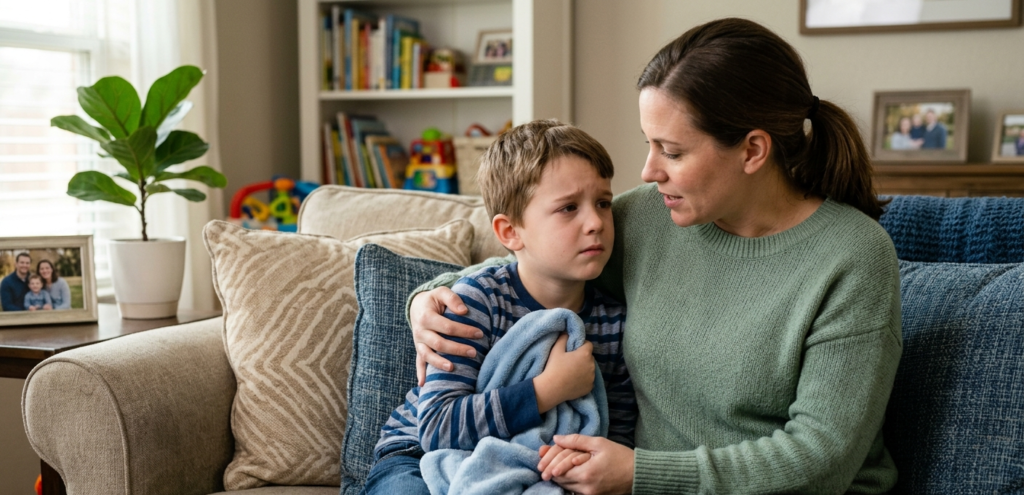
It’s completely normal for children to feel worried from time to time. When it’s their first day of school, a test, or when they are just trying something new, occasional anxiety is natural. But when worry becomes frequent, intense, or starts interfering with your child’s daily life, it may be more than just a passing phase. As a parent, it can be difficult to tell the difference between typical fears and anxiety that needs attention. You might notice changes in your child’s mood, sleep, or behavior and wonder what’s really going on. The good news is that anxiety in children is common and manageable. With the right support, children can learn to cope with their worries and feel more confident in their daily lives. At Gentle Pediatrics, we provide compassionate child healthcare in Sugar Land and help families understand and manage emotional health concerns like anxiety. And in this guide, we will break down how you can recognize anxiety in your child and support them. What Is Anxiety in Children? Anxiety is a feeling of worry, fear, or nervousness. In children, it often shows up as a response to situations that feel uncertain or overwhelming. Some level of anxiety is normal and even helpful, as it can motivate children to prepare, stay alert, and handle challenges. However, anxiety becomes a concern when it: Happens frequently Feels intense or overwhelming Triggers a “fight, flight, or freeze” response in situations that aren’t actually dangerous Interferes with school, sleep, or daily activities Understanding these patterns can help you recognize when your child may need extra support. Common Causes of Anxiety in Kids Children may not always express their worries directly. Anxiety can build up in different areas of their lives. School-Related Pressure Children may feel anxious about: Tests and grades Homework Speaking in class Meeting expectations Social Situations Friendships and peer relationships can be a major source of stress. Children may worry about: Making friends Being accepted Social conflicts or bullying Changes and Transitions New environments or routines can trigger anxiety, such as: Starting a new school Moving to a new home Changes in family dynamics Fear of the Unknown Some children feel anxious about situations they cannot predict or control. Family Stress Children can sense stress at home, which may affect their emotional well-being. Signs and Symptoms of Anxiety Anxiety doesn’t always look the same in every child. Some children express it clearly, while others show subtle signs. Emotional Signs Excessive worry or fear Irritability or mood swings Feeling overwhelmed easily Frequent crying Physical Symptoms (Somatic Complaints) We often see children with “somatic” symptoms, which means physical pain triggered by emotional distress. Watch for: Frequent headaches or stomach aches, especially on school mornings A “racing heart,” shortness of breath, or dizziness Nail-biting, hair-pulling, or other repetitive nervous habits Fatigue caused by poor sleep quality Behavioral Signs School Refusal (intense distress or physical illness when it’s time to go to school) Clinginess or difficulty separating from parents beyond the toddler years Sudden outbursts of anger or “meltdowns” (anxiety can look like irritability in kids) Withdrawal from friends or favorite activities If these symptoms persist, it may be helpful to seek guidance through pediatric care in Sugar Land. How Anxiety Affects Daily Life When anxiety becomes ongoing, it can impact multiple areas of your child’s life. School Performance Children may struggle to focus, complete assignments, or participate in class. Social Development Anxiety can make it harder to form friendships or engage in social activities. Physical Health Ongoing stress can affect sleep, appetite, and overall energy levels. Emotional Well-Being Children may feel frustrated, discouraged, or lack confidence. How Parents Can Support a Child with Anxiety Your support plays a crucial role in helping your child manage anxiety. Small, consistent actions can make a big difference. Encourage Open Communication Let your child know it’s okay to talk about their feelings. You can: Ask gentle, open-ended questions Listen without interrupting Avoid dismissing their worries Feeling heard and understood can reduce anxiety. Validate Their Feelings Instead of saying “don’t worry,” acknowledge their emotions. However, be careful not to “accommodate” the anxiety by allowing your child to avoid the thing they fear. Validation: “I can see that you’re feeling nervous about the test.” The Goal: Acknowledge the feeling, but express confidence that they can handle the situation. Validation helps children feel supported. Teach Simple Coping Skills Helping children learn how to calm themselves is essential. Try: Square Breathing: Inhale for 4 seconds, hold for 4, exhale for 4, and hold for 4. The 5-4-3-2-1 Technique: Name 5 things you see, 4 you can touch, 3 you hear, 2 you smell, and 1 you can taste. This “grounds” the child in the present moment. Maintain Consistent Routines Predictable routines help children feel safe and secure. Focus on: Regular meal times Consistent sleep schedules (AAP guidelines: 9–12 hours for school-aged children and 8–10 hours for teens) Structured daily activities Encourage Gradual Exposure Avoiding fears can sometimes make anxiety stronger. Instead: Encourage small, manageable steps Support your child as they face challenges Celebrate progress Limit Over-Scheduling Too many activities can overwhelm children. Make sure your child has: Time to relax Opportunities for free play Space to recharge Helping Your Child Build Confidence Confidence plays a key role in reducing anxiety. You can help by: Praising effort rather than results Encouraging independence Allowing your child to make choices Recognizing their strengths Over time, confidence helps children feel more capable of handling challenges. The Role of Healthy Habits Daily habits have a strong impact on emotional health. Sleep Adequate sleep helps regulate mood and reduce stress. Nutrition Balanced meals support energy and brain function. Physical Activity Regular movement helps release stress and improve mood. When to Seek Professional Help While many children benefit from support at home, some may need additional care. Consider seeking child healthcare in Sugar Land if: Your child’s “somatic” symptoms (stomach aches/headaches) are preventing them from attending school The anxiety is causing significant weight loss or changes in eating