

Safe Management of Minor Pediatric Injuries: A Complete Guide
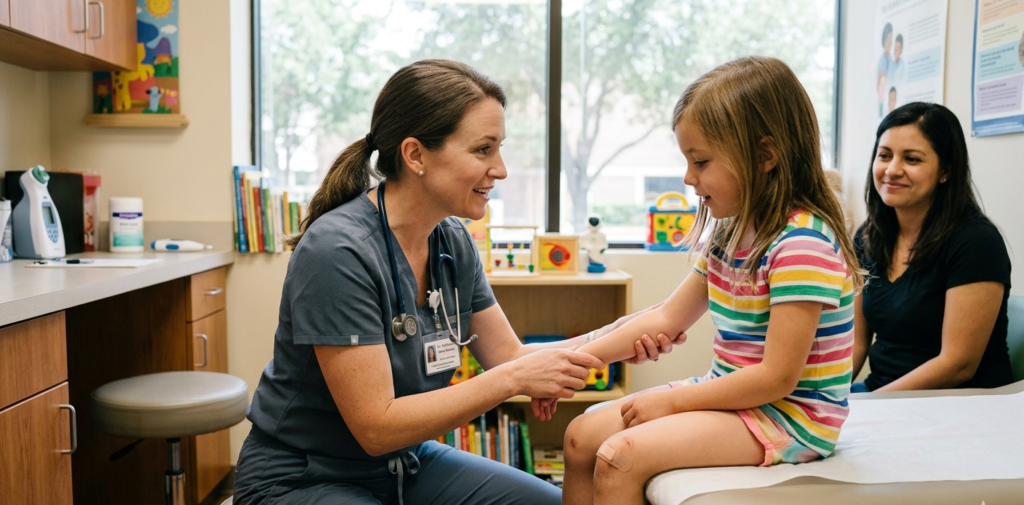
Children are naturally active, curious, and energetic. They spend their childhoods running on the playground, riding bikes, or playing sports. This is why small bumps and injuries are often part of growing up. For parents, however, even a minor injury can be very stressful. It can be difficult to know whether a scrape, bruise, or cut can safely be treated at home or if medical care is urgently needed. The good news is that many minor pediatric injuries can be managed safely with proper first aid and observation. Understanding how to respond calmly and appropriately can help your child recover comfortably while reducing the risk of complications. At Gentle Pediatrics, families often rely on our trusted children’s doctor in Sugar Land for guidance and treatment when injuries happen unexpectedly. This guide explains how to safely manage common minor injuries in children and when professional care may be necessary. Why Minor Injuries Are Common in Children Children are still developing: Coordination Balance Judgment Motor skills Because of this, falls and minor accidents happen frequently during: Sports Outdoor play School activities Everyday movement Most injuries are not serious, but proper care is still important to support healing and prevent infection. Common Types of Minor Pediatric Injuries Children may experience a wide variety of mild injuries throughout childhood. 1. Cuts and Scrapes Small cuts and abrasions are among the most common childhood injuries. They often happen from: • Falls • Playground accidents • Bike rides • Rough surfaces Most superficial cuts can heal well with basic wound care. 2. Bruises Bruises occur when small blood vessels under the skin break after an impact. Common areas include: • Knees • Elbows • Shins Bruising is usually mild and improves over time. 3. Minor Burns Minor burns may occur from: • Hot food or drinks • Sun exposure • Warm surfaces Prompt cooling and proper care help reduce discomfort and skin damage. 4. Sprains and Mild Strains Twisting or overusing muscles and joints can lead to: • Mild swelling • Tenderness • Pain with movement Ankle sprains are especially common in active children. 5. Nosebleeds Children may develop nosebleeds due to: • Dry air • Nose picking • Minor injuries Most nosebleeds stop with simple pressure and positioning. First Steps After an Injury: The 3-Step Assessment When an accident happens, your emotional response sets the tone. Children mirror their parents’ anxiety, so taking a deep breath is your true first step. Assess: Check for deformities, severe swelling, uncontrolled bleeding, or altered mental states. Comfort: Use a calm, low voice to lower their heart rate and adrenaline. Clean: Always wash your own hands before touching an open wound. Managing Common Minor Injuries at Home Here’s how you can manage common injuries: Caring for Cuts and Scrapes Cleaning the Wound: Wash the area gently with mild soap and running water. Correction: Never use hydrogen peroxide or rubbing alcohol on a cut or scrape. While the bubbling looks like it’s working, hydrogen peroxide is cytotoxic—it kills healthy new skin cells, causes unnecessary pain, and actually delays wound healing. Ointment and Protection: Apply a thin layer of plain petroleum jelly (Vaseline) or Bacitracin rather than Neosporin, which frequently triggers allergic skin rashes in children. Cover with a sterile bandage. Tetanus Check: Always verify if your child is up to date on their tetanus vaccine (DTaP or Tdap). If a cut is deep or contaminated by dirt or metal, they may need a booster if their last shot was more than 5 years ago. Treating Bruises For mild bruising: Apply a cold pack for 15–20 minutes Elevate the area if possible Encourage rest if sore Bruises usually fade gradually over several days. Managing Minor Burns For small burns: Cool the area under cool (not ice-cold) running water Avoid applying butter or home remedies Cover loosely with a clean dressing if needed Seek care for burns involving large areas or blistering. Caring for Sprains and Strains The P.R.I.C.E. method is commonly recommended: Protection: Protect the joint from further injury using a splint, brace, or wrap Rest the injured area Ice to reduce swelling Compression with an elastic wrap if advised Elevation above heart level when possible This approach helps reduce pain and swelling. Managing Nosebleeds Positioning: Sit the child upright and lean their head slightly forward. The Right Pressure: Pinch the soft part of the nose just below the bony bridge. Hold firm, continuous pressure for a full 10 minutes without letting go to check if it stopped. Letting go early disrupts the blood clot forming. Signs an Injury May Need Medical Attention While many injuries are mild, some symptoms should not be ignored. Contact a children’s doctor in Sugar Land if your child experiences: Deep cuts or uncontrolled bleeding Severe swelling Difficulty walking or moving Persistent pain Signs of infection Head injuries with vomiting or confusion Early medical care can help prevent complications. Understanding Minor Injury Procedures Sometimes injuries require simple in-office treatment. A minor injury procedure may include: Wound cleaning Bandaging Skin adhesive or stitches for cuts Splinting mild injuries Burn care These procedures help support proper healing and reduce infection risks. Preventing Infection After Injuries Good wound care is important for preventing infection. Watch for: Redness spreading around the wound Swelling Warmth Pus or drainage Fever If these signs develop, your child should be evaluated by a medical provider. How to Help Children Heal Comfortably Children recover best when they feel supported and cared for. Helpful steps include: Encouraging rest Offering fluids and healthy meals Following wound care instructions Limiting rough activity until healing improves Patience is important, especially with active children eager to return to play. Injury Prevention Tips for Parents While accidents cannot always be avoided, many injuries are preventable. 1. Encourage Safe Play Teach children: Playground safety Safe bike riding habits Sports safety rules 2. Use Protective Equipment Children should wear: Helmets Knee and elbow pads Proper footwear 3. Childproof the Home Reduce injury risks by: Securing furniture Using safety gates Keeping hot items out
Sports Physical Exams: Why Every Young Athlete Needs One
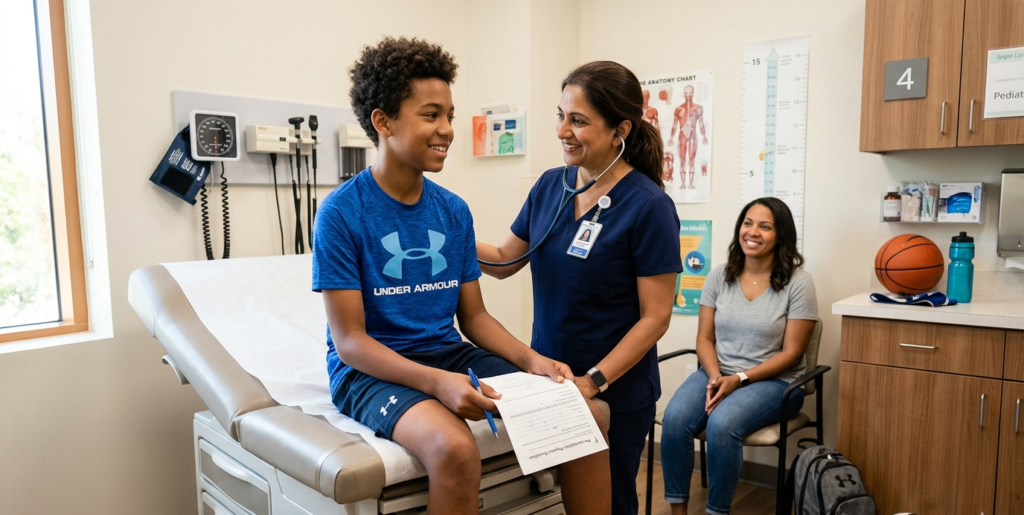
Sports and physical activities are an important part of childhood. Activities like soccer, basketball, swimming, gymnastics, football, and school athletics help support physical health, confidence, teamwork, and emotional well-being. Before children begin a new sports season, many schools and athletic programs require a sports physical exam. While some parents may see it as just another form to complete, these exams play an important role in protecting your child’s health and safety. A proper pediatric sports physical in Sugar Land helps identify potential health concerns, reduce injury risks, and ensure your child is physically ready to participate safely in sports and activities. At Gentle Pediatrics, we help Sugar Land families understand why sports physicals matter and how they support long-term health for growing athletes. In this guide, we will thoroughly break down the importance of a sports physical exam for your child. What Is a Sports Physical Exam? A sports physical exam, also called a pre-participation physical examination (PPE), is a medical evaluation performed before a child begins sports or physical activities. The purpose is to: Assess overall health Identify medical concerns Evaluate physical readiness for sports Help prevent injuries and complications A child’s physical exam in Sugar Land focuses on ensuring your child can safely participate in athletic activities. Why Sports Physicals Are Important Children’s bodies are still developing, and sports place physical demands on muscles, joints, bones, and the cardiovascular system. A sports physical helps: Detect underlying health conditions Identify injury risks Monitor growth and development Provide guidance for safe participation These exams are about prevention, not just meeting school requirements. When Should Your Child Have a Sports Physical? Most schools and sports organizations require a sports physical before the season begins. Ideally, parents should schedule the exam: About 6–8 weeks before sports start Before tryouts or training begin Scheduling early gives families enough time to address any concerns before participation. What Happens During a Sports Physical? A pediatric sports physical in Sugar Land includes several important parts of your child’s health evaluation. 1. Medical History Review The pediatrician will ask questions about: Past injuries Previous surgeries Chronic medical conditions Medications Allergies Family medical history This information helps identify any risks related to sports participation. 2. Physical Examination The physical exam may include checking: Height and weight Blood pressure Heart and lung function Vision Flexibility and posture Joint and muscle strength The goal is to assess your child’s overall physical health and readiness for activity. 3. Evaluation of Previous Injuries If your child has had prior injuries such as: Sprains Fractures Concussions The pediatrician will determine whether additional precautions or treatment may be needed. 4. Screening for Heart-Related Concerns Although uncommon, some heart conditions can increase risks during intense physical activity. The pediatrician may ask about: Chest pain during exercise Dizziness or fainting Family history of heart disease This screening helps identify children who may need further evaluation. Common Health Issues Identified During Sports Physicals Sports physicals sometimes reveal health concerns parents may not have noticed. 1. Asthma Exercise-related breathing problems may become more noticeable during sports. 2. Joint or Muscle Weakness Weakness or imbalance may increase injury risk. 3. Vision Problems Clear vision is important for coordination and safety during sports. 4. Previous Concussions Children with a history of concussions may need careful monitoring before returning to sports. Benefits of Pediatric Sports Physicals A child’s physical exam in Sugar Land offers many benefits beyond sports clearance paperwork. 1. Injury Prevention Pediatricians can identify physical limitations or weaknesses that may increase the risk of injury. 2. Early Detection of Health Concerns Some medical conditions may not show obvious symptoms during daily life but can become more noticeable during exercise. 3. Education for Families Parents and children receive guidance about: Hydration Nutrition Safe training habits Injury prevention 4. Confidence for Parents and Athletes Knowing your child has been medically evaluated provides reassurance before the season begins. How Sports Physicals Differ from Annual Checkups Although both are important, sports physicals and annual wellness visits are not exactly the same. Sports physicals focus on: Athletic participation Injury risk assessment Physical readiness for sports Meanwhile, annual wellness visits include: Vaccinations Growth monitoring Developmental milestones General health concerns Many families combine both visits whenever possible. Preparing Your Child for a Sports Physical To make the appointment easier, parents should: Bring the required school forms Know your child’s medical history Bring a list of medications Share details about past injuries or surgeries Being prepared helps ensure a smooth and complete evaluation. Helping Young Athletes Stay Healthy A sports physical is just one part of keeping young athletes healthy and safe. 1. Encourage Proper Hydration Children should drink water regularly before, during, and after activity. 2. Promote Healthy Nutrition Balanced meals support: Energy levels Muscle recovery Overall performance 3. Prioritize Rest and Recovery Rest days are important for preventing overuse injuries and fatigue. 4. Use Proper Equipment Children should wear: Properly fitted shoes Protective gear Sport-specific safety equipment 5. Teach Safe Training Habits Children should avoid: Overtraining Ignoring pain Returning to sports too soon after injury Common Concerns Parents Often Have Many parents have a few concerns related to a sports physical, including: 1. Does My Child Need a Sports Physical Every Year? Most schools and athletic organizations require yearly evaluations. 2. Can My Child Still Play Sports with Asthma? In many cases, yes. Proper management and monitoring help children participate safely. 3. What If My Child Had a Previous Injury? The pediatrician will assess whether additional care or restrictions are needed. 4. Are Sports Physicals Only for School Sports? No. Any child participating in organized physical activity can benefit from a sports physical. When Should Parents Seek Additional Medical Care? You should contact your pediatrician if your child experiences: Chest pain during exercise Frequent injuries Dizziness or fainting Ongoing joint pain Trouble breathing during activity Early evaluation helps keep children safe during sports participation. Sports Physical Exams at Gentle Pediatrics in Sugar Land At Gentle Pediatrics, we provide comprehensive pediatric sports physical in Sugar
Seasonal Allergies in Children: Sugar Land Parents’ Complete Guide
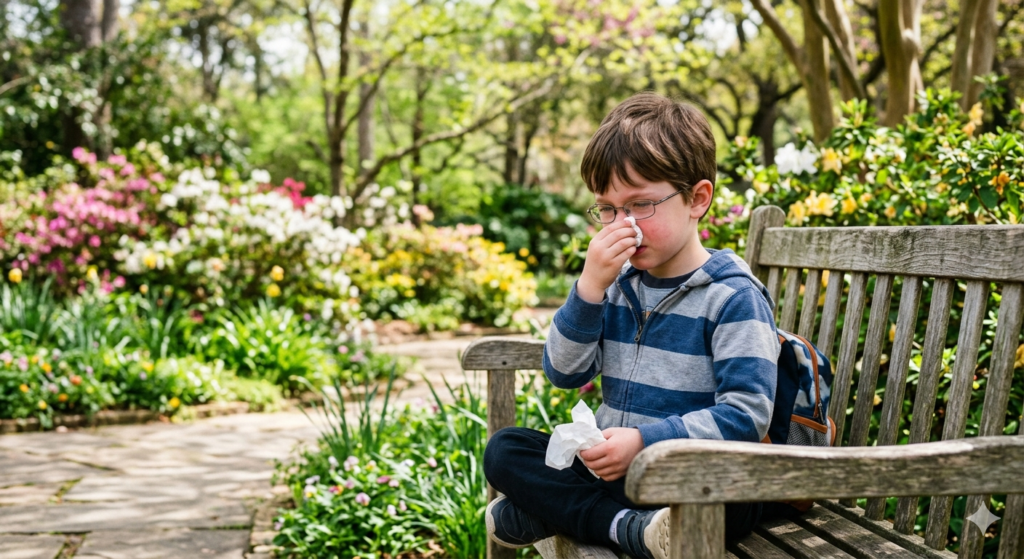
Seasonal allergies are one of the most common health concerns affecting children, especially during certain times of the year when pollen levels rise. While some children may only experience mild symptoms, others can struggle with ongoing discomfort that affects sleep, school performance, outdoor activities, and overall well-being. For many parents, it can be difficult to tell whether their child has a common cold or seasonal allergies. Symptoms like sneezing, congestion, and watery eyes often overlap, making it confusing to know what’s causing the problem. The good news is that seasonal allergies can be managed effectively with the right care, prevention strategies, and medical guidance. Understanding the signs and knowing when to seek help can make a significant difference in your child’s comfort and quality of life. At Gentle Pediatrics, families visit our trusted child allergy specialist in Sugar Land for help. In this guide, we will break down the diagnosis and management of allergy symptoms in children. What Are Seasonal Allergies? Seasonal allergies, or Allergic Rhinitis, occur when the immune system overreacts to harmless environmental particles. Unlike a cold, allergies are an overactive immune response, not a viral infection. The body releases histamine, which triggers the classic itching and swelling parents see. These allergies are not contagious, but they can make children feel uncomfortable for weeks or even months during allergy season. Common Seasonal Allergy Triggers in Sugar Land In Sugar Land and the surrounding areas, warm weather and changing seasons can increase exposure to allergens. Common triggers include: Tree pollen in spring Grass pollen during late spring and summer Weed pollen in the fall Mold spores during humid weather Children who spend a lot of time outdoors may experience more noticeable symptoms during peak allergy seasons. Signs and Symptoms of Seasonal Allergies in Children Seasonal allergies can affect children differently. Some may have mild symptoms, while others experience more persistent discomfort. 1. Sneezing Frequent sneezing is one of the most common signs of allergies. 2. Clear Nasal Drainage In allergies, mucus is almost always thin and clear. If it is thick, yellow, or green, it is more likely a viral or bacterial infection. 3. Itchy Eyes, Nose, or Throat Itching is a key symptom that often helps distinguish allergies from a cold. 4. Watery or Red Eyes Allergies can irritate the eyes and cause tearing or redness. 5. Coughing Postnasal drip caused by allergies may trigger coughing, especially at night. 6. Fatigue Poor sleep due to congestion or coughing can leave children feeling tired during the day. If symptoms continue for several weeks or return during the same season each year, it may be time to consult a seasonal allergies pediatrician in Sugar Land. Seasonal Allergies vs. Common Cold Many parents confuse allergies with viral infections because symptoms can look similar. Here are some differences: Seasonal Allergies: Symptoms last for weeks Usually no fever Itching is common Symptoms may worsen outdoors Common Cold: Usually lasts 7–10 days Fever may occur Body aches may be present Symptoms gradually improve If you are unsure, a child allergy specialist in Sugar Land can help determine the cause of your child’s symptoms. How Seasonal Allergies Affect Children Allergies may seem minor at first, but ongoing symptoms can impact many areas of a child’s life. 1. Sleep Problems Congestion and coughing can interfere with restful sleep. 2. Difficulty Concentrating Children who are tired or uncomfortable may struggle to focus in school. 3. Reduced Outdoor Activity Children may avoid sports or outdoor play because their symptoms worsen outside. 4. Irritability and Mood Changes Constant discomfort can make children feel frustrated or irritable. When Should Parents Seek Medical Care? Mild seasonal allergies can often be managed at home, but some children need additional support. You should consider seeing a seasonal allergies pediatrician in Sugar Land if your child: Has symptoms lasting several weeks Experiences frequent coughing or wheezing Has trouble sleeping due to allergies Misses school or activities Does not improve with basic home care Early treatment can help prevent symptoms from becoming more severe. How Seasonal Allergies Are Diagnosed Diagnosis usually begins with a detailed discussion about your child’s symptoms and medical history. Your pediatrician may ask: When symptoms occur Whether symptoms worsen outdoors Family history of allergies or asthma In some cases, allergy testing may be recommended to identify specific triggers. A thorough evaluation by a child allergy specialist in Sugar Land helps create an effective treatment plan. Treatment Options for Seasonal Allergies The goal of treatment is to reduce symptoms and improve your child’s comfort. 1. Allergy Medications Depending on your child’s symptoms, treatment may include: Antihistamines Nasal sprays Eye drops Your pediatrician will recommend options appropriate for your child’s age and symptoms. 2. Allergy Avoidance Strategies Reducing exposure to allergens can make a big difference. Helpful steps include: Keeping windows closed during high pollen days Using air conditioning when possible Showering after outdoor activities Washing bedding regularly 3. Monitoring Outdoor Exposure Pollen counts are often higher: Early in the morning On windy days Limiting outdoor activity during peak times may help reduce symptoms. Helping Your Child Manage Allergies at Home Simple daily habits can help children feel more comfortable during allergy season. 1. Keep Indoor Air Clean Use clean air filters Vacuum regularly Reduce dust buildup 2. Encourage Hand and Face Washing Washing after outdoor play helps remove pollen from the skin and hair. 3. Maintain Hydration Drinking plenty of fluids can help soothe throat irritation and thin mucus. 4. Follow Medication Instructions Carefully Use medications exactly as directed by your pediatrician. Can Seasonal Allergies Lead to Other Problems? Yes. Untreated allergies may contribute to: Sinus infections Ear infections Asthma flare-ups Sleep difficulties Managing allergies early can help reduce these risks. Seasonal Allergies and Asthma Children with allergies are sometimes more likely to develop asthma symptoms. Watch for: Wheezing Shortness of breath Persistent coughing If these symptoms occur, a medical evaluation is important. Common Concerns Parents Often Have Parents often have the following concerns: 1. Will My Child Outgrow Seasonal Allergies?