

Sports Injuries in Kids: When to See a Doctor and What Parents Should Know

Sports can bring tremendous benefits to children — enhanced physical fitness, confidence, camaraderie, and enjoyment. But with active play and competition comes risk. Sports injuries in kids are common, and knowing when to see a doctor can make the difference between a smooth recovery and long-term complications. In this article, we’ll break down: The nature of pediatric sports injuries (acute vs overuse) Warning signs that warrant medical evaluation What parents should know about diagnosis, treatment, and recovery Injury prevention strategies Guidance on returning to play Emotional and developmental considerations Whether your child is a weekend warrior or part of a competitive team, this guide will help you navigate injury concerns with confidence and clarity. Note: The content here is for general educational purposes and does not replace individual medical advice. When in doubt, always consult a pediatrician or pediatric sports medicine specialist. Why Kids Are Especially Vulnerable to Sports Injuries Kids’ bodies are different from adults’ in ways that affect how injuries occur and heal. Understanding these differences helps parents better judge when to be concerned. 1. Growth plates and skeletal immaturity Children have growth plates (physes)—areas near the ends of long bones where growth occurs. These areas are structurally weaker than the surrounding bone, ligaments, or tendons. As a result, repetitive stress or trauma may injure the growth plate, potentially affecting the bone’s development if not managed properly. Overuse injuries in children frequently target these growth plates (apophysitis, physeal stress reactions) because of repetitive loading. 2. Muscle-bone imbalance During growth spurts, bones may lengthen more rapidly than muscles and tendons can adapt, increasing strain on the soft tissues. That imbalance can lead to tightness, microtears, or stress in muscles, tendons, or connective tissue. 3. Repetitive motion and overuse Children specializing early in one sport and training intensively are more prone to overuse injuries. Think of repeated throwing in baseball, jumping in basketball, or long-distance running without rest intervals. American orthopaedic surgeons have noted a rise in pediatric overuse injuries over the past decade. 4. Inadequate rest and recovery, poor technique, and equipment mismatches Kids may push through pain, lack planned rest days, use ill-fitting shoes or gear, or adopt improper technique—all of which increase injury risk. Given these vulnerabilities, it is vital for parents and guardians to monitor even minor complaints. Types of Sports Injuries in Kids Broadly, pediatric sports injuries fall into two categories: acute (traumatic) and overuse (chronic). Recognizing which category your child’s symptoms fit can help you decide whether and how urgently to see a doctor. Acute (Traumatic) Injuries These result from a single event—falling, collision, twisting, direct impact. Examples include: Sprains and strains (e.g. ankle sprain, muscle strain) Fractures (including stable and unstable types) Dislocations Contusions (bruises) Concussions or head injuries Soft tissue tears (ligament, tendon) Symptoms often appear immediately: pain, swelling, inability to bear weight, deformity, or a “pop†sound. Overuse (Chronic/Repetitive) Injuries These develop gradually when stress is repeated faster than tissues can repair. Examples include: Apophysitis / growth-plate irritation (e.g. Osgood–Schlatter disease at the knee, Sever’s disease in the heel) Tendinopathies (e.g. patellar tendonitis / “jumper’s kneeâ€) Stress fractures Throwing injuries (e.g. Little League elbow) Shin splints Muscle or ligament microtrauma Signs are subtle at first: mild pain during activity that resolves with rest, then gradually worsens. Over time, performance may decline, stiffness may set in, or the child may start altering technique to avoid pain. Warning Signs: When To See a Doctor Immediately While mild aches and bruises can often be managed at home, certain signs require prompt medical evaluation or even emergency care. Here are red flags: Red Flags / Emergency Signs Loss of consciousness, altered mental state, seizures, confusion, or persistent vomiting after a head injury Difficulty breathing, chest pain, or abdominal pain following trauma Obvious deformity (bone is angulated or “out of placeâ€) Open wound with bone or tissue exposed Inability to bear weight or walk on a leg or keep using an arm Numbness, tingling, or loss of movement distal to the injury Rapidly increasing swelling, bruising, or bleeding Visual changes, double vision, or persistent eye pain after head trauma Bleeding from nose, ears, or clear fluid draining from them (possible skull fracture) Knocked-out permanent tooth (must be addressed quickly) Persistent or worsening pain despite rest and home measures If any of these occur, go to the ER or urgent care. Even if the child seems okay, internal injuries (especially to the head) may present delayed symptoms. When To See a Doctor (Non-Emergency But Prompt) If none of the emergency signs are present, but you notice one or more of the following, schedule a medical evaluation: Pain that doesn’t improve within 2–3 days with rest, ice, and over-the-counter pain relief Persistent swelling Limp or favoring one leg Decreased range of motion in a joint Pain that returns each time your child plays A joint that “locks,†“catches,†or feels unstable Loss of strength or gradual worsening of symptoms Suspected concussion symptoms (headache, dizziness, confusion, light/sound sensitivity) Recurrent or worsening injuries Special caution is required for complaints involving joints, growth plate areas, or ongoing pain—these often need imaging and specialist assessment. In many cases, your child’s pediatrician can evaluate first and then refer to an orthopaedic or sports medicine specialist. What Happens at the Doctor’s (and Specialist) Visit When you bring your child in, the medical team will follow a structured assessment to establish the nature and severity of the injury and plan appropriate care. History and Examination Detailed history: mechanism of injury, when pain began, changes over time, aggravating/relieving factors, prior injuries Physical exam: inspect swelling, deformities, redness; palpate for tenderness; test motion (active and passive), strength, stability, neurological exam Functional assessment: can your child bear weight, walk, grip, use the limb normally? Imaging and Diagnostic Tools Depending on the findings, the physician may order: X-ray — to detect fractures, bone alignment, joint problems MRI or CT scan — for soft tissue injuries (ligaments, cartilage, menisci) or complex injuries Ultrasound — helpful for tendon/muscle injuries Bone
Pediatrician Sugar Land Tips on Stress and Academic Pressure

Parents often think of stress as something that belongs to the adult world—bills, deadlines, responsibilities. Yet, children in Sugar Land are experiencing stress earlier than ever, often linked to academic pressure. School expectations, competitive environments, and after-school commitments can weigh heavily on young minds. That’s where a pediatrician in Sugar Land becomes a critical partner. Pediatricians don’t only care for coughs, colds, or growth milestones—they also guide families in managing the emotional and psychological aspects of childhood, including academic stress. This blog explores how pediatricians identify, address, and help families ease the burden of stress caused by academic demands. With the right support, children can enjoy school, thrive socially, and grow into confident learners. Understanding Academic Pressure in Childhood Academic pressure is no longer reserved for high schoolers facing college entrance exams. In Sugar Land, even preschool and elementary children can feel the weight of academic competition. This pressure may come from: Rigorous testing environments. After-school tutoring and extracurricular demands. Comparisons with peers. High parental expectations. When unaddressed, this pressure can evolve into stress that interferes with sleep, eating habits, concentration, and self-esteem. A pediatrician in Sugar Land becomes a trusted resource to detect these early signs and provide solutions that work. The Pediatrician’s Role in Recognizing Stress Parents often wonder, “How can I tell if my child is under too much academic pressure?†While some stress may appear as irritability or reluctance to do homework, pediatricians are trained to detect the subtle, physical signs. These may include: Frequent stomachaches or headaches with no medical cause. Sleep disturbances or fatigue. Changes in appetite. Difficulty concentrating during school hours. Increased emotional outbursts. When you bring your child to a Sugar Land pediatrician, the evaluation goes beyond basic physical health. Pediatricians ask about school experiences, observe emotional well-being, and recommend strategies to balance academics with overall wellness. Why Pediatric Advice Matters More Than General Guidance Parents often rely on blogs, teacher feedback, or peer conversations to understand stress. While helpful, these sources lack the depth of a pediatric evaluation. A pediatrician connects stress symptoms with the child’s overall development. For example: If a child’s weight is dropping due to stress-related eating issues, the pediatrician identifies this early. If stress is causing fatigue, the pediatrician rules out sleep disorders or nutritional deficiencies. If headaches increase around exam weeks, the pediatrician considers both physical and psychological triggers. This medical perspective ensures that stress management doesn’t become guesswork but is rooted in the child’s specific health needs. Tips from Pediatricians in Sugar Land for Easing Stress To help parents manage academic pressure effectively, here are actionable tips pediatricians recommend: 1. Balance Is Key Children need downtime as much as they need structured learning. Scheduling breaks between homework and extracurricular activities helps prevent burnout. 2. Encourage Open Conversations Your child should feel safe expressing frustration. A pediatrician often reminds parents that listening without immediate judgment or solutions can ease stress significantly. 3. Prioritize Sleep Insufficient sleep intensifies stress and reduces academic performance. Pediatricians emphasize consistent bedtime routines, free from screens, as essential for stress relief. 4. Watch for Physical Symptoms Recurring stomachaches, headaches, or appetite changes may signal underlying stress. This is why scheduling regular visits with a Sugar Land pediatrician ensures these signs aren’t overlooked. 5. Teach Stress-Relief Techniques Simple practices like deep breathing, physical exercise, or creative activities—painting, music, sports—can provide emotional release for children. Building Resilience Before School Years Begin Interestingly, pediatricians stress that preparation for academic life starts long before formal schooling. For instance, preschool readiness isn’t only about learning letters or numbers—it’s also about emotional readiness. A resource like How a Pediatrician in Sugar Land Helps with Preschool Readiness shows how early visits create a supportive environment for learning and coping. By equipping children early, stress is less likely to overwhelm them later. Pediatrician Support During Sports and Academics Academic pressure often overlaps with extracurricular commitments like sports. Pediatricians see the connection firsthand. Sports bring physical benefits but can also add performance stress. That’s why understanding the balance between school and athletics is vital. If you’re considering how exams and sports combine, a useful guide is Pediatrician Sugar Land: Sports Physicals Explained. These physicals not only clear children for athletic participation but also provide a chance to discuss stress, balance, and time management with a healthcare professional. How Pediatricians Partner with Parents Pediatricians in Sugar Land are more than doctors—they’re partners in parenting. They help families: Recognize when expectations may be too high. Build realistic academic goals based on the child’s developmental stage. Support communication between schools, parents, and children. Provide referrals to counselors or specialists if stress escalates into anxiety or depression. By working with a pediatrician, parents avoid the trap of dismissing stress as “just part of growing up.†Instead, they learn to support their child’s well-being without compromising educational success. The Long-Term Benefits of Addressing Stress Early Left unchecked, childhood stress may lead to: Poor academic performance. Anxiety or depression in adolescence. Struggles with confidence and social skills. But when pediatricians help families manage stress proactively, children benefit in profound ways: Improved academic performance without burnout. Healthy emotional coping skills that last a lifetime. Stronger parent-child relationships built on trust and communication. The role of the Sugar Land pediatrician isn’t temporary—it’s foundational in shaping a child’s long-term approach to learning and life challenges. Why Your Child Needs Pediatric Support for Stress Academic pressure is real, but it doesn’t have to define your child’s school years. A pediatrician in Sugar Land provides not only medical care but also guidance for emotional resilience. By scheduling regular visits, parents can stay ahead of stress-related symptoms, build healthier routines, and ensure their child thrives academically and personally. Whether your child is preparing for preschool or balancing academics with athletics, pediatricians are the partners you need for a healthier, less stressful journey.
Pediatrician Sugar Land: Sports Physicals Explained
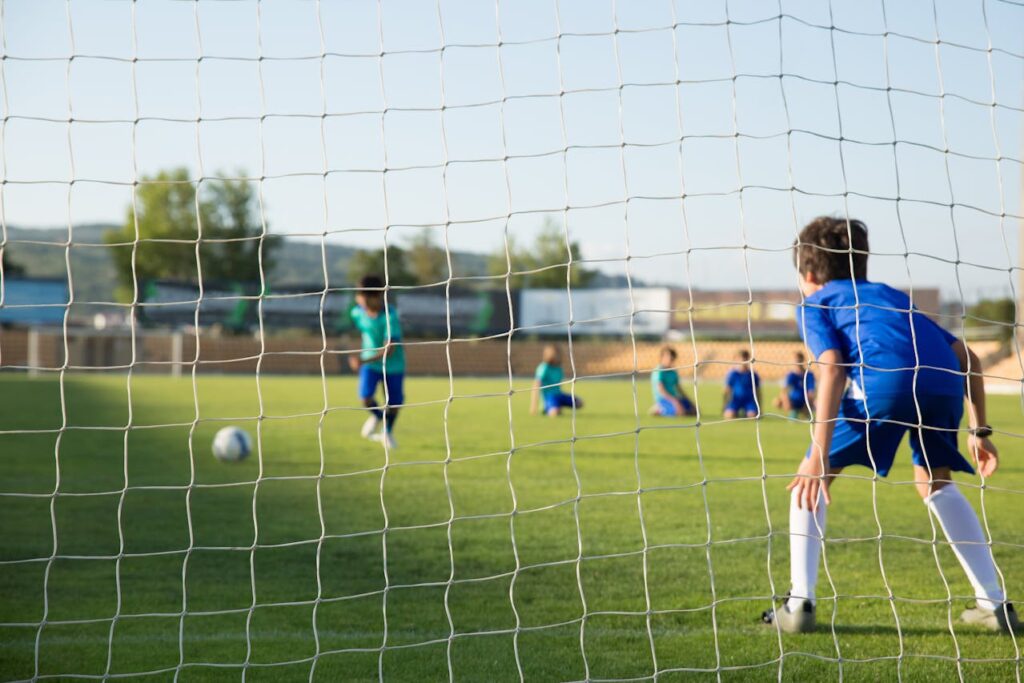
When families in Sugar Land hear “sports physical,†they often think of it as another box to check before a child can join a team. But a pediatrician in Sugar Land sees it differently. Sports physicals are more than just a requirement; they are a child’s health passport to safe participation in athletics. They ensure not only that a child can play but also that they can thrive. Unlike generic quick-check clinics, visiting a dedicated pediatrician gives families a deeper level of insight into a child’s health. This visit goes far beyond listening to a heartbeat and signing a form. It’s about understanding how a child’s body is developing, making sure they are physically ready for the demands of their chosen sport, and protecting them from avoidable health risks. For parents who have already taken the important step of scheduling their baby’s first pediatrician visit in Sugar Land, they know early care lays the groundwork for lifelong wellness. (Read more here). Sports physicals are a continuation of that same philosophy: prevention, preparation, and proactive care. What Exactly Is a Sports Physical? At its core, a sports physical—sometimes called a pre-participation physical evaluation (PPE)—is a comprehensive checkup designed to determine if a child is physically prepared for athletic activity. But with a pediatrician, the process is far more tailored. A pediatrician doesn’t just glance over vital signs. Instead, they look at: Growth and Development – ensuring height, weight, and muscle strength align with age-appropriate milestones. Cardiovascular Health – evaluating the heart and lungs for any concerns that could be triggered by intense activity. Musculoskeletal Health – examining bones, joints, flexibility, and posture to reduce injury risks. Neurological Readiness – checking reflexes and coordination, crucial for safe play. By explaining each step, a pediatrician not only clears a child for sports but also gives families valuable insights about fitness, nutrition, and injury prevention. Why Choose a Pediatrician in Sugar Land for Sports Physicals? Families sometimes wonder why they can’t just walk into a retail clinic for a quick exam. The answer is simple: personalized, child-focused care matters. A pediatrician knows the child’s medical history, growth trajectory, and past concerns. They’re able to connect dots that others may miss. For example, a pediatrician who has been guiding your child since infancy—just as many families learned when they scheduled early pediatric visits in Sugar Land (see why it matters here)—can spot subtle changes that might affect a child’s ability to safely play sports. Sports Physicals vs. Regular Checkups: What’s the Difference? Parents often ask, “If my child already gets annual checkups, why do we need a sports physical?†The answer is that while both visits overlap, sports physicals are sport-specific. Well-Child Checkups focus on overall growth, developmental milestones, and preventive care. Sports Physicals focus specifically on a child’s readiness for the unique physical demands of athletics. In Sugar Land, pediatricians combine the two for maximum value. Instead of treating them as separate appointments, many families schedule a well-check and sports physical together. This saves time and ensures nothing slips through the cracks. The Role of Sports Physicals in Preventing Injuries One of the biggest benefits of a pediatrician-led sports physical is injury prevention. Children’s bodies grow rapidly, and what may not have been a problem last season could be an issue now. A pediatrician looks for: Joint instability Muscle imbalances Growth plate vulnerabilities Posture or gait concerns Addressing these early helps prevent sprains, strains, and more serious injuries. A sports physical isn’t about keeping children off the field—it’s about keeping them on the field safely, season after season. Hidden Health Concerns That Sports Physicals Can Reveal Sometimes children look perfectly healthy but may have underlying conditions that only show during physical exertion. Sports physicals often uncover: Asthma triggers that may flare up during running. Undiagnosed heart murmurs or irregular rhythms. Vision issues that affect hand-eye coordination. Nutritional deficiencies that could impact stamina and recovery. By uncovering these early, a pediatrician can recommend safe adjustments, treatment, or preventive steps. This proactive approach keeps children healthier in the long run. Building Confidence for Young Athletes and Parents Sports can be intimidating for first-time athletes and their families. A pediatrician in Sugar Land uses the physical as an opportunity to educate, encourage, and empower. For Children: Knowing that a doctor has given the “all-clear†boosts confidence. For Parents: Having an expert assure them that their child is prepared eases anxiety. This emotional reassurance is as valuable as the physical assessment. Sports Physicals as a Stepping Stone for Lifelong Health Sports physicals are not just about one season—they set the stage for healthy habits that extend far beyond childhood. A pediatrician uses the visit to reinforce: The importance of hydration. Balanced nutrition for active kids. Sleep and recovery as essential for performance. Stretching and warm-ups to prevent injuries. These lessons create strong foundations, just as early pediatric visits in Sugar Land build lifelong health foundations for babies. How Sports Physicals Support Academic Success There’s also a powerful connection between physical health and academic performance. Studies consistently show that children who are physically active perform better in school. Pediatricians in Sugar Land recognize this and encourage sports participation not just for physical well-being, but also for sharper focus, improved behavior, and emotional balance. When Should You Schedule a Sports Physical? Ideally, parents should schedule a sports physical at least six weeks before the season begins. This allows time to address any concerns before practices start. For Sugar Land families, this timing often aligns with summer physicals before fall sports or early spring appointments before track, baseball, or softball. Why Pediatricians Are Parents’ Best Partners in Sports At the end of the day, sports physicals are about partnership. A pediatrician works with families to ensure their child is not only cleared to play but prepared to thrive. By choosing a pediatrician over a one-size-fits-all option, parents invest in: Long-term health monitoring. A doctor who knows their child’s unique needs. A trusted advisor who cares about every stage of growth.