

How Digital Devices Are Changing Adolescent Sleep Patterns — And What Parents Can Do
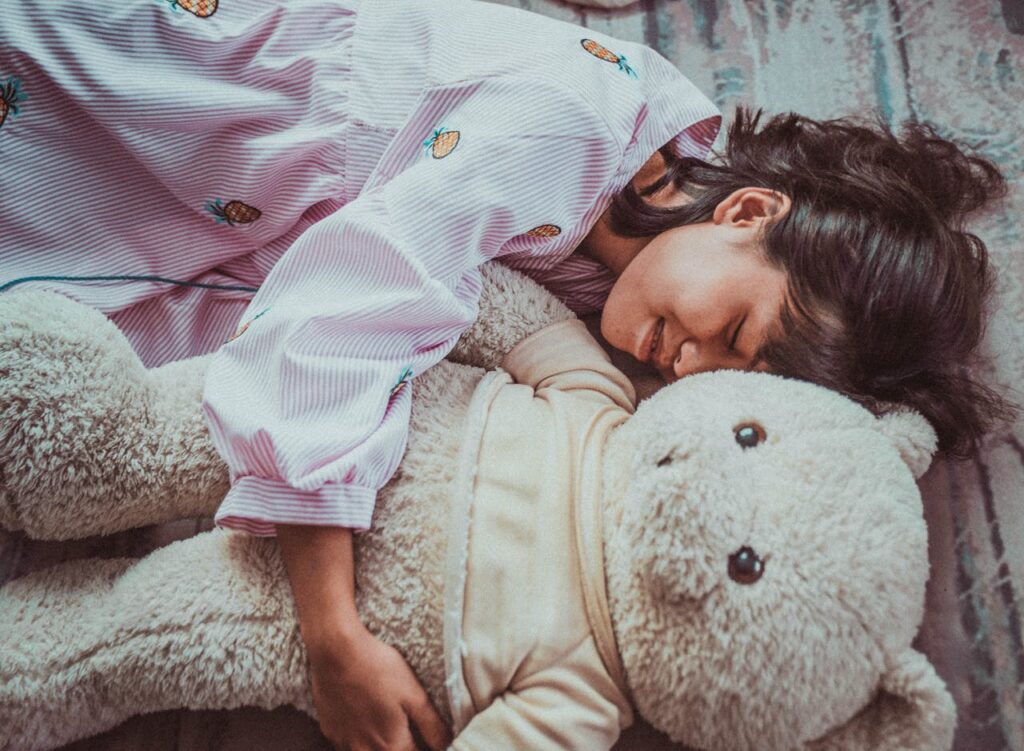
The Digital Dilemma Every Parent Recognizes It’s a familiar scene in homes everywhere. The glow of a smartphone beneath a blanket, the soft tapping of a tablet past bedtime, the irresistible pull of “just one more scroll.â€For today’s adolescents, digital devices aren’t just tools — they’re companions, classrooms, and social hubs. Yet beneath this digital convenience lies a growing pediatric concern: the effect of screens on adolescent sleep patterns. At Gentle Pediatrics, we’ve seen firsthand how sleep disturbances linked to screen use can affect teens’ emotional balance, school performance, and even physical growth. As a leading pediatrician in Sugar Land, our role is not only to care for your child’s health but also to help you navigate the modern challenges of raising digitally connected teens. Why Sleep Matters More Than Ever for Adolescents Adolescence is a period of rapid transformation. The body is changing, the brain is rewiring, and emotional maturity is just beginning to form.Sleep plays a central role in this developmental journey. It fuels memory, mood regulation, hormonal balance, and immune function — the foundations of lifelong health. However, many parents underestimate how delicate the adolescent sleep system truly is. Between natural biological shifts and modern-day digital habits, it’s no surprise that so many teens struggle to fall asleep, stay asleep, or wake refreshed. According to pediatric sleep specialists, teenagers require 8 to 10 hours of sleep per night. Yet surveys consistently show that more than 70% fall short. The biggest culprit? Digital device overuse — especially in the hours before bed. How Digital Devices Hijack the Adolescent Sleep Cycle When a teen’s brain should be winding down, digital engagement does the opposite. Let’s break down the three major ways digital devices interfere with restorative rest. 1. Blue Light and the Melatonin Suppression Effect Smartphones, tablets, and laptops emit blue wavelength light, which mimics daylight and suppresses melatonin, the hormone responsible for signaling the body to sleep.For adolescents — whose circadian rhythms are already shifting later due to puberty — this artificial light pushes bedtime even further into the night. Even brief exposure can delay melatonin release by up to 90 minutes. That means a teen who might have fallen asleep at 10:00 PM could still be scrolling restlessly past midnight. 2. Psychological Arousal and Hyperconnectivity Digital media doesn’t just delay sleep biologically; it keeps the mind mentally wired.Social notifications, multiplayer gaming, and endless video feeds stimulate the brain’s reward circuitry — triggering dopamine surges that keep teens alert. The emotional highs (and lows) of online interaction also prevent relaxation, prolonging bedtime anxiety and alertness. 3. Sleep Fragmentation and Nighttime Interruptions Even when adolescents do fall asleep, notifications or vibration alerts can fragment deep sleep cycles. Teens who keep their phones by the bed (and most do) wake multiple times without realizing it.The result? Morning fatigue, concentration problems, and irritability that parents often misinterpret as moodiness or defiance. The Ripple Effect: From Mood Swings to Academic Struggles At Gentle Pediatrics, we remind parents that disrupted sleep isn’t just a nighttime issue — it affects every aspect of a teen’s day. Lack of sleep can: Decrease focus and memory, impacting school performance Heighten emotional reactivity, worsening stress and anxiety Disrupt appetite-regulating hormones, leading to unhealthy eating habits Lower immune resilience, increasing susceptibility to infections Influence decision-making, increasing risk-taking behaviors We explored the connection between sleep and behavior more deeply in our article Sleep and Mood in Kids: How Rest Affects Behaviour and Learning. It’s a valuable read for parents who want to understand how proper sleep hygiene supports emotional regulation and learning potential. Why Teens Are More Vulnerable Than Adults Teenagers aren’t miniature adults. Their brains are still developing — especially in the prefrontal cortex, the area responsible for self-control and impulse regulation. Digital environments are designed to keep users engaged. For teens, this often translates to difficulty “switching off.â€When the adolescent brain associates scrolling or gaming with social reward, it’s neurologically primed to crave the stimulation — even at 1:00 AM. Moreover, puberty causes a biological phase delay, meaning the body naturally prefers later bedtimes and wake times. Combine that with early school schedules and screen exposure, and you have a perfect storm for chronic sleep deprivation. The Hidden Link Between Sleep Deprivation and Health Issues You might be surprised at how far-reaching the consequences of disrupted sleep can be. Poor sleep patterns have been linked to: Increased risk of obesity: disrupted hormones lead to cravings for high-calorie foods Weakened immune response: leading to frequent colds or infections Mood disorders: including anxiety, depression, and irritability Cognitive decline: reduced concentration, slower reaction times Allergic sensitivity: fatigue can amplify reactions to allergens Interestingly, inadequate rest can also worsen allergy symptoms. For parents managing seasonal sensitivities, our blog Seasonal Allergies in Kids: How to Spot and Treat Them Early offers detailed guidance on identifying triggers and ensuring restful recovery. Recognizing the Warning Signs of Sleep Disruption Parents often assume “teenagers are just tired,†but chronic fatigue isn’t normal.Here are key red flags that may suggest digital device overuse is interfering with your child’s sleep: Frequent morning headaches or sluggishness Irritability, mood swings, or unexplained sadness Difficulty waking up or repeated snoozing Declining grades or poor attention at school Excessive screen use late at night Falling asleep during daytime activities If several of these sound familiar, it’s time to evaluate not only your child’s sleep schedule but their screen habits leading up to bedtime. Practical Steps Parents Can Take — Starting Tonight Digital devices aren’t going away. The goal isn’t to eliminate them but to help families reclaim healthy nighttime routines.Here’s how pediatricians recommend approaching it: 1. Establish a “Digital Curfew†Encourage all devices to be powered down at least 60 minutes before bedtime.Use that time for low-stimulation activities like reading, journaling, or quiet conversation.A visible household rule — such as “no screens after 9:00 PM†— helps reinforce the boundary. 2. Create a Tech-Free Sleep Zone Keep smartphones and tablets out of the bedroom overnight.Charging devices in a central family
Sleep and Mood in Kids: How Rest Affects Behaviour and Learning
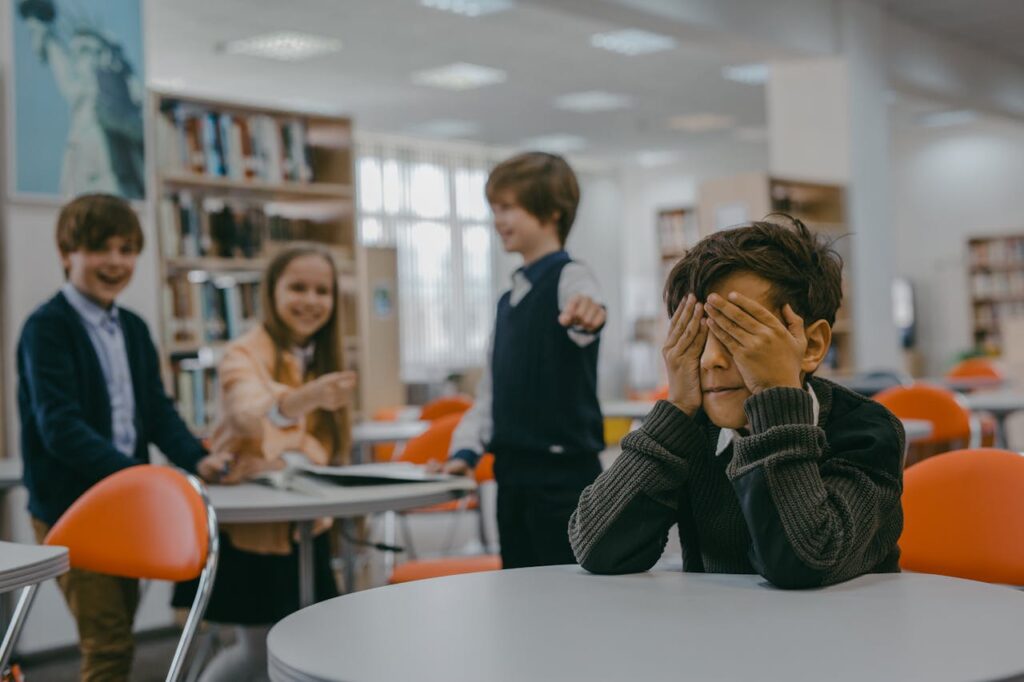
As parents, we often observe how a child’s mood and behaviour can fluctuate based on their sleep patterns. A well-rested child tends to be more cheerful, focused, and cooperative, while a sleep-deprived child may exhibit irritability, mood swings, and difficulty concentrating. Understanding the profound impact of sleep on a child’s emotional and cognitive development is crucial for fostering a healthy and supportive environment. In this blog, we delve into the intricate relationship between sleep and a child’s mood and learning abilities. Drawing insights from pediatric research and expert recommendations, we aim to provide parents with practical strategies to enhance their child’s sleep quality, thereby promoting better behaviour and academic performance. The Science of Sleep and Brain Development Sleep is not merely a period of rest; it is an active process that plays a vital role in brain development and function. During sleep, particularly in the deep stages, the brain consolidates memories, processes emotions, and supports neural connections essential for learning and behaviour regulation. Research indicates that insufficient sleep can impair cognitive functions such as attention, memory, and problem-solving skills. Moreover, sleep deprivation has been linked to increased emotional reactivity and difficulty in managing stress, which can manifest as mood swings or behavioural issues in children. How Sleep Influences Mood and Behaviour Emotional Regulation Adequate sleep is fundamental for emotional regulation. When children do not receive sufficient rest, their ability to manage emotions diminishes, leading to heightened irritability and impulsivity. This can result in conflicts at home and school, affecting their social interactions and overall well-being. Behavioural Challenges Sleep-deprived children often exhibit behavioural problems, including hyperactivity, aggression, and defiance. These behaviours are not necessarily indicative of underlying psychological disorders but may stem from the lack of restorative sleep necessary for optimal brain function. Academic Performance The cognitive impairments associated with sleep deprivation can hinder a child’s academic performance. Difficulty concentrating, reduced memory retention, and slower processing speeds are common among children who do not get enough sleep, impacting their ability to learn effectively. Recognising Signs of Sleep Deprivation Parents should be vigilant in identifying signs of sleep deprivation in their children. Common indicators include: Difficulty waking up in the morning Excessive daytime sleepiness or napping Mood swings or irritability Decline in academic performance Increased clumsiness or accidents Complaints of headaches or stomachaches If these signs persist, it may be beneficial to consult a pediatrician to assess the child’s sleep patterns and overall health. Establishing Healthy Sleep Habits Creating a conducive sleep environment and establishing consistent bedtime routines are pivotal in ensuring children receive adequate rest. Consistent Sleep Schedule Maintaining a regular sleep schedule helps regulate the body’s internal clock, making it easier for children to fall asleep and wake up at the desired times. Consistency, even on weekends, reinforces this rhythm. Calming Bedtime Routine Engaging in calming activities before bed, such as reading a story, taking a warm bath, or practicing relaxation techniques, can signal to the child’s body that it is time to wind down and prepare for sleep. Optimal Sleep Environment The sleep environment should be quiet, dark, and cool. Minimising noise and light exposure, and ensuring the child’s bed is comfortable, can significantly improve sleep quality. Limiting Screen Time Exposure to screens before bedtime can interfere with the production of melatonin, the hormone responsible for sleep regulation. Limiting screen time at least an hour before bed can help in falling asleep more easily. Addressing Underlying Health Issues Sometimes, mood and behavioural issues may be linked to underlying health conditions that affect sleep quality. Allergies and Sleep Allergic reactions can cause nasal congestion, making it difficult for children to breathe comfortably during sleep. This can lead to frequent awakenings and poor sleep quality. Managing allergies through appropriate treatments can alleviate these symptoms and improve sleep. Sleep Disorders Conditions such as sleep apnea, insomnia, or restless leg syndrome can disrupt sleep patterns. If a child exhibits signs of these disorders, seeking medical advice is essential for proper diagnosis and treatment. For more information on managing allergies in children, refer to our blog on Seasonal Allergies in Kids: How to Spot and Treat Them Early. The Role of Physical Activity Regular physical activity promotes better sleep by helping children fall asleep faster and enjoy deeper sleep. Encouraging outdoor play and physical exercises during the day can contribute to improved sleep quality at night. However, it’s important to avoid vigorous activities close to bedtime, as they may have the opposite effect and interfere with the ability to fall asleep. Nutrition and Sleep What children eat can influence their sleep patterns. A balanced diet rich in nutrients supports overall health and can contribute to better sleep. Avoiding large meals, caffeine, and sugary snacks before bedtime is advisable, as these can disrupt sleep. When to Consult a Pediatrician If a child consistently exhibits signs of sleep deprivation despite implementing healthy sleep habits, it may be time to consult a pediatrician. A healthcare professional can assess the child’s sleep patterns, identify any underlying issues, and recommend appropriate interventions. Additionally, if mood swings or behavioural problems persist, even with adequate sleep, seeking professional advice can help determine if there are other contributing factors that need to be addressed. Sleep is a cornerstone of a child’s emotional and cognitive development. Ensuring that children receive adequate, quality sleep can lead to improved mood, better behaviour, and enhanced learning abilities. By establishing healthy sleep habits, addressing underlying health issues, and seeking professional guidance when necessary, parents can support their children’s overall well-being and success. For further reading on related topics, consider exploring our blogs on Seasonal Allergies in Kids: How to Spot and Treat Them Early and Sports Injuries in Kids: When to See a Doctor and What Parents Should Know.
Seasonal Allergies in Kids: How to Spot and Treat Them Early
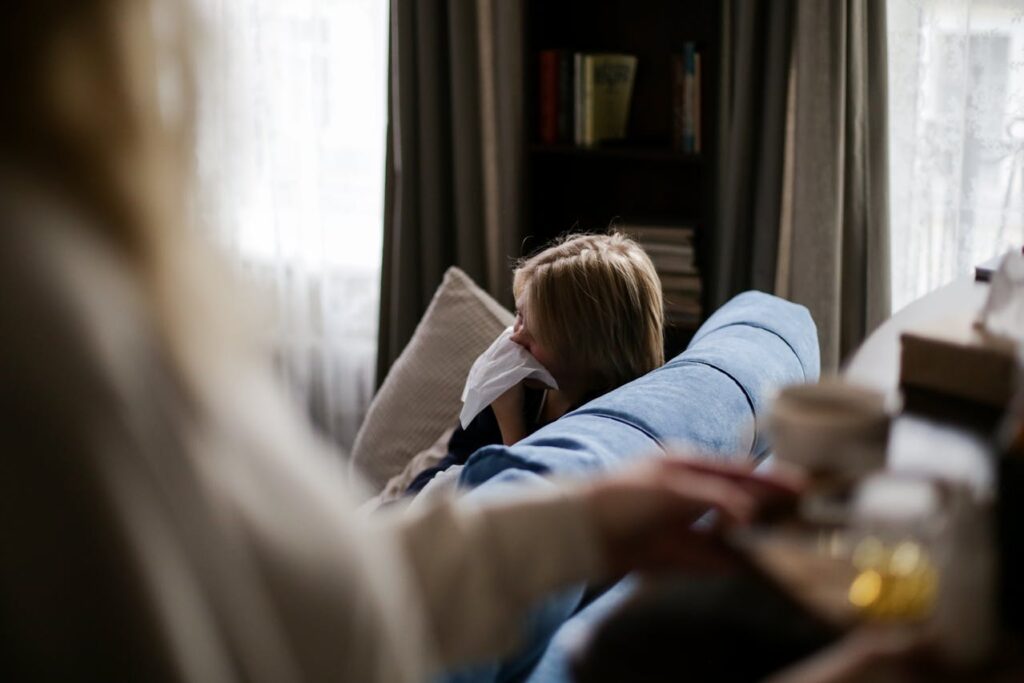
Every parent knows how exciting it is to welcome a new season. But for many families, the beauty of spring or fall also brings something less pleasant—sneezing, runny noses, and itchy eyes. At Gentle Pediatrics, we see many parents who wonder whether their child’s “constant cold†might actually be seasonal allergies. Seasonal allergies are one of the most common conditions in children, and the earlier they’re recognized, the easier they are to manage. Let’s talk about how to spot the signs, when to reach out for help, and what simple, effective treatments can help your child feel like themselves again. Understanding Seasonal Allergies in Children Seasonal allergies happen when your child’s immune system reacts too strongly to something harmless in the environment—like pollen, mold, or grass. When this happens, their body releases chemicals that cause familiar symptoms: sneezing, stuffy noses, itchy eyes, and sometimes coughing or fatigue. These reactions often follow a pattern. If your child’s symptoms appear around the same time every year, get worse outdoors, or seem unaffected by rest or fluids, it’s often a sign that allergies—not infection—are to blame. At Gentle Pediatrics, we remind parents that allergies don’t mean your child is “sick.†Instead, their immune system is simply overreacting. The good news? With the right plan, children can enjoy every season comfortably and safely. Early Signs Parents Often Miss Allergy symptoms can appear subtle at first. Many parents assume their child just “catches colds easily.†But there are small signs that can help you recognize when something more specific is going on. Here are a few early clues that your child may be experiencing seasonal allergies: Recurring sneezing fits that seem to come and go but never fully disappear Itchy or watery eyes that make them rub or blink constantly A constantly runny or stuffy nose, especially when the mucus is clear rather than thick Dark circles under the eyes (often called “allergy shinersâ€) Throat clearing or coughing that’s worse at night or early morning Tiredness or crankiness, often due to poor sleep from nasal congestion When these signs repeat during certain months—spring, summer, or fall—it’s time to look deeper. When Mild Turns Serious Some allergy symptoms can be managed at home, but there are times when a doctor’s visit is essential. You should schedule an appointment if: Symptoms last more than two weeks or return every season. Your child can’t sleep properly or struggles to focus in school. Breathing seems laboured, especially during play or sports. Over-the-counter allergy medicines don’t help. Your child develops frequent sinus or ear infections. Pediatricians are trained to look beyond the surface—identifying not just what’s causing symptoms, but how it’s affecting your child’s daily life. A quick visit can make a world of difference. What to Expect When You Visit a Pediatrician At Gentle Pediatrics, our goal is to find out what’s really bothering your child and help you manage it with minimal stress. During your visit, we’ll: Ask about your child’s symptoms—when they appear, what makes them worse, and what helps. Check their nose, eyes, ears, and lungs for signs of inflammation or blockage. Look at family history, since allergies often run in families. Discuss environment and lifestyle factors, like time outdoors, exposure to pets, or recent weather changes. If needed, we may recommend allergy testing to identify specific triggers. This helps us create a clear, personalized treatment plan—so you know exactly what your child needs to stay comfortable. Gentle and Effective Treatments That Work Treating seasonal allergies doesn’t have to mean constant medication. At Gentle Pediatrics, we focus on a gentle, layered approach—starting with simple changes and progressing to treatments that make life easier. 1. Avoiding the Triggers The first step is reducing your child’s exposure to allergens: Keep windows closed during high-pollen days. Have your child shower and change clothes after playing outside. Use air filters and keep bedrooms dust-free. Wash bedding weekly in hot water. These small steps can greatly reduce symptom flare-ups. 2. Over-the-Counter Relief For mild symptoms, non-drowsy antihistamines or saline nasal sprays can help. But it’s important to talk with your pediatrician before starting anything new. The correct dosage and product depend on your child’s age and health. 3. Prescription Options If symptoms are persistent, your pediatrician might recommend: Nasal steroid sprays (to reduce swelling and congestion) Prescription antihistamines or combination treatments Medications for allergy-related asthma or sinus pressure Every child’s body is different, which is why personalized care matters. 4. Long-Term Solutions For kids whose allergies are strong or year-round, immunotherapy (allergy shots or drops) might be an option. This helps the immune system “learn†to tolerate allergens over time—reducing symptoms for years ahead. Everyday Home Care for Parents Managing allergies at home can be simple and effective when done consistently. Try building these habits into your daily routine: Encourage your child to wash their face and hands after being outside. Keep pets out of bedrooms if pet dander adds to symptoms. Vacuum often with a HEPA filter. Track local pollen counts and plan outdoor time wisely. Use a cool-mist humidifier if air inside feels dry. Over time, these little adjustments create a big difference in comfort—and in how well your child sleeps, studies, and plays. The Link Between Allergies, Sports, and Physicals Children who play sports are often outdoors, where allergens are most active. That’s why it’s important to discuss allergies during your child’s annual sports physical. Our team at Gentle Pediatrics always considers allergy symptoms when evaluating fitness for physical activity. Nasal congestion or shortness of breath from allergies can affect performance and breathing comfort. To understand more about what we look for during a sports exam, visit Pediatrician Sugar Land Sports Physicals Explained, iIt offers insight into how your child’s overall health—including allergy management—is part of safe, confident play. When Allergies Affect More Than Breathing Seasonal allergies can sometimes impact areas parents don’t immediately connect—like sleep, mood, and even learning. Children who can’t breathe clearly at night may sleep restlessly, leading to irritability and daytime fatigue. Over