

Recognizing Developmental Delays: A Parent’s Guide to Spotting the Signs

As a parent, watching your child grow and develop is an incredible journey filled with milestones and moments of joy. However, it’s essential to stay attuned to your child’s developmental progress. Sometimes, children may experience delays in reaching specific developmental milestones, which can impact their social, emotional, and cognitive skills. At Gentle Pediatrics, we understand that spotting the signs of developmental delay early can lead to timely interventions, ensuring your child gets the support they need to thrive. In this comprehensive guide, we will explore what developmental delays are, the common signs to look for, and how to approach the situation with compassion and understanding. What are Developmental Delays? Developmental delays occur when a child does not reach their developmental milestones within the expected timeframes. These milestones can vary across different domains, including: Physical Development: This involves gross motor skills (like crawling and walking) and fine motor skills (like grasping objects). Cognitive Development: This refers to thinking, learning, and problem-solving abilities. Language Development: This includes both expressive language (speaking) and receptive language (understanding). Social and Emotional Development: This encompasses a child’s ability to interact with others and regulate their emotions. Developmental delays can be temporary or indicative of underlying conditions. Early identification and intervention are crucial for helping your child catch up and succeed. Common Signs of Developmental Delays 1. Physical Development Delays Observe your child’s physical milestones. If your child is significantly behind peers in achieving gross motor skills like rolling over, sitting up, or walking, it may be a cause for concern. Some signs include: Lack of movement: Your child does not show interest in reaching for toys or moving their limbs. Delayed crawling or walking: Most children crawl by 10 months and walk by 12-15 months. If your child is not attempting to crawl or walk by these ages, consult your pediatrician. 2. Language Development Delays Language development is crucial for communication and social interaction. Signs of potential delays include: Limited verbal communication: If your child is not using words or gestures to communicate by 12 months, it may indicate a delay. Difficulty understanding: Children should respond to simple requests (like “come here”) by 12 months. If your child struggles to follow instructions, it’s worth discussing with your doctor. Lack of babbling: By around 6 months, babies typically start to babble. If your child is not making sounds or imitating speech sounds, this could be a red flag. 3. Social and Emotional Development Delays Social skills develop as children interact with family members and peers. Look for these signs: Limited social interaction: If your child avoids eye contact, does not smile back when smiled at, or shows little interest in playing with others, it may indicate a delay. Difficulty expressing emotions: If your child has trouble regulating their emotions or struggles to understand others’ feelings, it could be a sign of social-emotional delays. 4. Cognitive Development Delays Cognitive delays can manifest as challenges in learning and problem-solving. Watch for these signs: Lack of curiosity: Children naturally explore their surroundings. If your child shows little interest in new experiences or does not engage with toys, it could indicate cognitive delays. Difficulty with problem-solving: Children should be able to complete simple puzzles or tasks by age 3. If your child struggles significantly, it may be time to seek help. Monitoring Your Child’s Development 1. Developmental Milestones Familiarize yourself with the typical developmental milestones for your child’s age group. The Centers for Disease Control and Prevention (CDC) provides a useful resource to help parents track milestones. Keep in mind that every child develops at their own pace, but consistently missing milestones is worth noting. 2. Engage with Your Pediatrician Regular check-ups with your pediatrician are essential for monitoring your child’s growth and development. During these visits, your doctor will assess your child’s progress and address any concerns you may have. If you notice any signs of developmental delay, do not hesitate to bring them up during your appointment. Supporting Your Child’s Development If you suspect your child may be experiencing developmental delays, here are some steps to take: 1. Early Intervention Programs Early intervention can significantly improve outcomes for children with developmental delays. Depending on your child’s needs, early intervention services may include speech therapy, occupational therapy, or physical therapy. Your pediatrician can help you navigate the process of accessing these services. 2. Create a Supportive Environment Foster a nurturing and stimulating environment at home. Engage your child in play and interactive activities that encourage learning and development. Activities like reading together, playing with building blocks, or practicing simple puzzles can enhance cognitive and social skills. 3. Encourage Social Interaction Facilitate opportunities for your child to interact with peers. Playdates, group activities, and structured play can help develop social skills and provide valuable practice in a supportive setting. 4. Addressing Emotional Needs Developmental delays can sometimes lead to frustration or anxiety in children. It’s essential to be patient and understanding. Encourage open communication, and validate your child’s feelings. Consider implementing routines that provide stability and comfort, helping your child feel more secure. Conclusion Recognizing the signs of developmental delay is crucial for ensuring your child receives the support they need to thrive. At Gentle Pediatrics, we are committed to helping parents navigate the complexities of child development. If you have concerns about your child’s development, please reach out to our compassionate team. Early identification and intervention can make a significant difference in your child’s journey, allowing them to flourish and reach their full potential. Together, we can create a nurturing environment that fosters growth and happiness for your child. Don’t hesitate to schedule an appointment with us today!
Is It a Migraine or Just a Headache? Understanding Your Child’s Pain

As parents, it’s concerning to see your child in pain, especially when it comes to headaches. Understanding whether your child is experiencing a simple headache or a more complex migraine can significantly impact how you address their discomfort. At Gentle Pediatrics, we recognize the importance of distinguishing between these two conditions to provide appropriate care and support. In this comprehensive guide, we’ll explore the differences between migraines and headaches, their symptoms, potential triggers, and how to manage them effectively. Understanding Headaches What is a Headache? A headache is a common ailment that can affect anyone, including children. It typically presents as pain in the head, scalp, or neck and can vary in intensity, location, and duration. There are several types of headaches, but the two most common are tension headaches and migraines. Tension Headaches Tension headaches are the most prevalent type of headache in children and adolescents. They often arise from stress, anxiety, fatigue, or muscle tension. Symptoms may include: A dull, aching pain on both sides of the head A feeling of tightness or pressure across the forehead or at the back of the head Sensitivity to light or sound Mild nausea Tension headaches can last anywhere from 30 minutes to several days, but they are typically not severe. What is a Migraine? A migraine is a neurological condition that involves more intense pain and often comes with additional symptoms. Migraines are less common than tension headaches, but they can significantly impact a child’s quality of life. Symptoms of migraines include: Moderate to severe throbbing pain, often on one side of the head Nausea and vomiting Sensitivity to light and sound Aura, which may include visual disturbances (like flashing lights or blind spots), sensory changes, or difficulty speaking Migraines can last from a few hours to several days and may be accompanied by a “postdrome†phase, where the child may feel fatigued or mentally foggy after the headache has subsided. How to Tell the Difference: Headache vs. Migraine Distinguishing between a headache and a migraine is crucial for effective treatment. Here are some key differences to help identify which condition your child might be experiencing: Pain Intensity: Tension headaches generally present as mild to moderate pain, while migraines involve severe, debilitating pain that can prevent your child from engaging in daily activities. Location: Tension headaches often cause pain on both sides of the head, whereas migraines usually affect one side. Associated Symptoms: Migraines often come with additional symptoms, such as nausea, vomiting, and sensitivity to light and sound, which are usually absent with tension headaches. Duration: Tension headaches can last for a few hours to several days, while migraines typically last from 4 to 72 hours. If your child frequently experiences headaches, or if the headaches are severe and debilitating, it’s essential to consult a healthcare professional for a proper diagnosis and treatment plan. Common Triggers for Migraines in Children Understanding what triggers your child’s migraines can help you manage and potentially prevent future episodes. Common triggers include: Stress and Anxiety Children often experience stress from school, friendships, or family dynamics, which can trigger migraines. Teaching your child coping mechanisms, such as mindfulness or deep breathing techniques, can help manage stress levels. For more insights on helping your child cope with anxiety, check out our blog on Helping Kids Cope with Anxiety: Practical Parenting Tips from Gentle Pediatrics. Changes in Sleep Patterns Both lack of sleep and excessive sleep can contribute to migraines. Establishing a consistent bedtime routine can help ensure your child gets adequate rest. Dietary Factors Certain foods and drinks, including chocolate, aged cheeses, and caffeinated beverages, may trigger migraines in susceptible children. Keeping a food diary can help identify potential triggers. Dehydration Inadequate fluid intake can lead to dehydration, a common migraine trigger. Encourage your child to drink plenty of water throughout the day. Environmental Factors Bright lights, strong odors, and extreme weather changes can also trigger migraines. Being aware of your child’s environment and making necessary adjustments can help minimize exposure to these triggers. Managing Headaches and Migraines Home Remedies for Headaches For tension headaches, several home remedies can provide relief: Rest in a Quiet, Dark Room: Creating a calming environment can help ease discomfort. Apply a Cold Compress: Placing a cold pack on the forehead may reduce pain. Massage: Gently massaging the temples or neck can alleviate tension. Hydration: Encourage your child to drink water to stay hydrated. When to Seek Medical Attention While most headaches can be managed at home, certain situations warrant a visit to the doctor. Seek medical attention if your child experiences: Severe or debilitating headaches that interfere with daily activities Headaches that occur frequently or progressively worsen over time Associated symptoms such as vision changes, confusion, or weakness A headache following a head injury Headaches accompanied by fever, rash, or persistent vomiting To learn more about when to take your child to the doctor, refer to our blog on When Should You Take Your Child to the Doctor? A Parent’s Guide from Gentle Pediatrics. Treatment Options for Migraines If your child is diagnosed with migraines, your pediatrician may recommend various treatment options, including: Over-the-Counter Medications: Ibuprofen or acetaminophen can help alleviate pain for mild headaches or migraines. Prescription Medications: For more severe migraines, your pediatrician may prescribe specific migraine medications that can be taken at the onset of symptoms or as a preventive measure. Lifestyle Modifications: Identifying and avoiding triggers, maintaining a regular sleep schedule, and managing stress can all contribute to reducing the frequency and intensity of migraines. Cognitive Behavioral Therapy (CBT): CBT can be beneficial for children experiencing migraines related to anxiety or stress. Conclusion Understanding the differences between migraines and headaches is crucial for effectively managing your child’s pain. At Gentle Pediatrics, we are dedicated to providing support and resources to help you navigate your child’s health concerns. If you suspect your child is experiencing migraines or if they have persistent headaches, don’t hesitate to schedule an appointment with us. Our compassionate team is here
Debunking Vaccination Myths: Essential Facts Every Parent Should Know
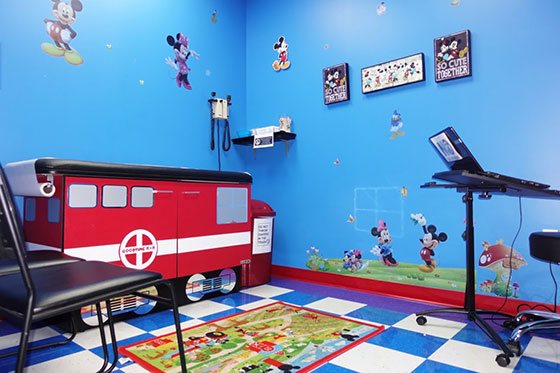
Vaccination is one of the most significant advancements in public health, protecting children from various preventable diseases. However, despite the overwhelming scientific consensus supporting vaccines, myths and misconceptions persist, leading to confusion among parents. At Gentle Pediatrics, we understand that making informed decisions about your child’s health can be challenging. This comprehensive guide will address common myths about vaccinations, clarify the facts, and empower you to make the best choices for your child’s well-being. Understanding Vaccination Vaccination involves administering a vaccine to help the immune system recognize and fight specific pathogens, such as viruses and bacteria. Vaccines contain weakened or inactivated parts of the germ that causes a disease, prompting the immune system to produce a response without causing the illness itself. This process helps develop immunity, protecting your child from potentially severe diseases like measles, polio, and whooping cough. Common Myths About Vaccination Myth 1: Vaccines Cause Autism One of the most widely circulated myths is the unfounded claim that vaccines are linked to autism. This misconception originated from a now-discredited study published in 1998, which has since been thoroughly debunked by extensive research. Numerous large-scale studies involving millions of children have shown no connection between vaccines and autism. The Centers for Disease Control and Prevention (CDC), the World Health Organization (WHO), and numerous other health organizations unequivocally state that vaccines do not cause autism. Myth 2: Natural Immunity is Better Than Vaccine-Induced Immunity While it’s true that natural infection can provide immunity, it often comes at a high cost. Diseases like chickenpox and measles can lead to severe complications, including hospitalization and even death. Vaccines, on the other hand, provide a safe and effective way to develop immunity without suffering through the disease. Vaccination reduces the risk of complications and helps protect not just the vaccinated child but also the community through herd immunity. Myth 3: Vaccines Contain Harmful Ingredients Many parents express concern about the ingredients in vaccines, believing they may be harmful. While vaccines do contain various components, such as preservatives and adjuvants, these are present in very small amounts and are rigorously tested for safety. For example, thimerosal, a mercury-containing compound used in some vaccines, has been removed from most childhood vaccines in the U.S. due to misconceptions about its safety. The ingredients in vaccines are included for specific reasons, such as enhancing the immune response or preventing contamination. Myth 4: Vaccines Overwhelm the Immune System Some parents worry that multiple vaccines given in a short period can overwhelm a child’s immune system. However, studies show that the immune system can handle a significant number of antigens without difficulty. In fact, children are constantly exposed to millions of pathogens daily. Vaccines are designed to work with the immune system, allowing it to respond effectively without being overwhelmed. Myth 5: Vaccines Are Not Necessary if Diseases Are Rare With many vaccine-preventable diseases being rare in the U.S. due to successful vaccination programs, some parents question the need for vaccinations. However, this misconception overlooks the principle of herd immunity. When vaccination rates drop, communities become vulnerable to outbreaks. Diseases once considered eradicated, like measles, can resurface when vaccination rates decline. Vaccination protects not only individual children but also those who cannot be vaccinated due to medical reasons, such as allergies or compromised immune systems. Myth 6: Vaccines Only Benefit the Child Receiving Them Vaccination is a communal responsibility. By vaccinating your child, you contribute to herd immunity, protecting those who cannot be vaccinated. This includes infants, the elderly, and individuals with weakened immune systems. When a large percentage of the population is vaccinated, it reduces the overall spread of the disease, creating a safer environment for everyone. Myth 7: All Vaccines Are Unsafe Every vaccine goes through a rigorous testing process before approval. The clinical trials involve thousands of participants to assess safety and efficacy. Regulatory agencies, such as the U.S. Food and Drug Administration (FDA) and the CDC, continuously monitor vaccines post-licensure to ensure ongoing safety. Serious side effects are rare, and the benefits of vaccination far outweigh the risks. Facts About Vaccination Now that we’ve debunked common myths, let’s look at some important facts about vaccination: Vaccines Are Effective Vaccines have proven incredibly effective in reducing, and in some cases eliminating, the prevalence of vaccine-preventable diseases. For example, measles cases have plummeted by 99% since the introduction of the measles vaccine. Vaccination has played a crucial role in protecting public health and saving lives. Vaccination Schedules Are Recommended for a Reason The vaccination schedule recommended by pediatricians is designed based on extensive research. It considers factors such as age, risk, and timing to ensure maximum protection. Following the schedule is essential for your child’s health, as it provides immunity before exposure to potentially harmful diseases. Vaccination Can Save Your Family Time and Money Preventing illness through vaccination saves families time and money associated with doctor visits, hospitalizations, and treatments for diseases. Vaccines protect not only your child’s health but also reduce the burden on healthcare systems. Vaccination Is a Safe and Essential Public Health Measure Widespread vaccination is critical for community health. Vaccines protect not just individuals but also entire communities by creating herd immunity. This collective immunity helps protect vulnerable populations who may be unable to receive vaccines. You Can Trust Your Pediatrician Pediatricians, including our dedicated team at Gentle Pediatrics, are committed to providing the best care for your child. We stay informed about the latest research and recommendations regarding vaccinations. If you have any questions or concerns about vaccines, don’t hesitate to reach out to us. Your pediatrician can provide evidence-based information and guidance tailored to your child’s needs. Addressing Concerns About Vaccination It’s natural for parents to have concerns about vaccination. Open dialogue is essential. Here are a few tips for addressing concerns: Educate Yourself: Seek out reliable sources of information about vaccines. Websites from the CDC and WHO provide factual and up-to-date information about vaccines and their benefits. Discuss with Your Pediatrician: Schedule an appointment with your pediatrician to