

Mastering Childhood Allergies: A Comprehensive Guide for Parents
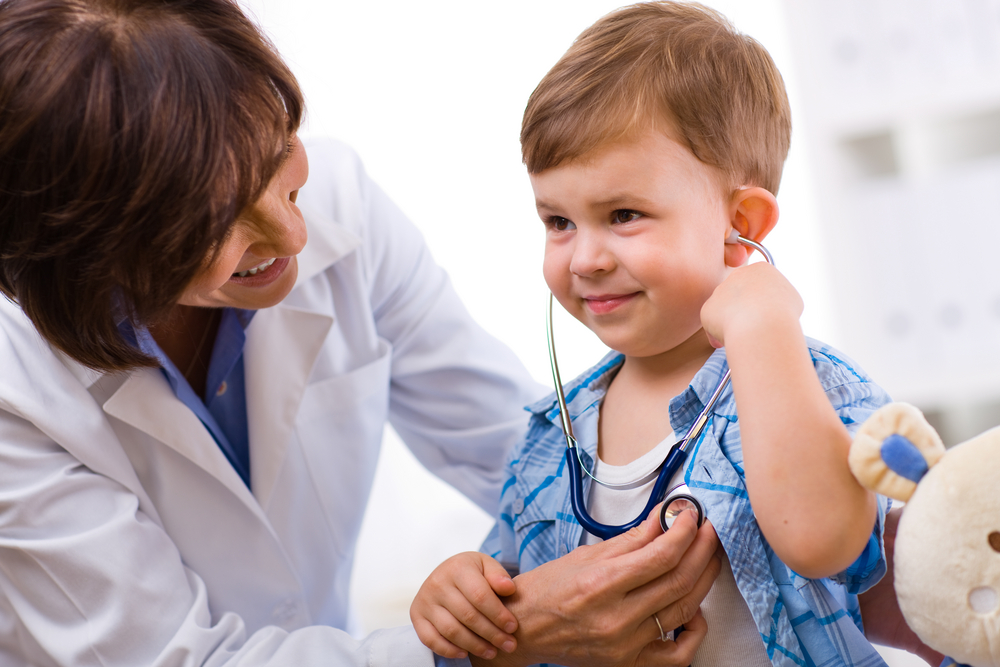
Navigating childhood allergies can feel overwhelming for parents. From food sensitivities to environmental triggers, understanding and managing your child’s allergies is essential for their health and happiness. At Gentle Pediatrics, we know that a solid understanding of allergies can empower parents to take charge of their child’s well-being. This comprehensive guide aims to provide you with the knowledge you need to identify, manage, and treat childhood allergies effectively. Understanding Childhood Allergies Allergies occur when the immune system reacts to a substance that is typically harmless, such as pollen, dust mites, pet dander, or certain foods. When exposed to these allergens, your child’s body may trigger a reaction, leading to a variety of symptoms ranging from mild to severe. The most common types of allergies affecting children include: Food Allergies: Reactions to specific foods such as peanuts, tree nuts, milk, eggs, wheat, soy, fish, and shellfish. Symptoms can range from hives and stomach pain to severe anaphylaxis. Environmental Allergies: Allergies to substances in the environment, including pollen from trees and grasses, mold spores, dust mites, and pet dander. Insect Allergies: Reactions to insect stings or bites, such as from bees, wasps, or fire ants. Medication Allergies: Allergic reactions to certain medications, including antibiotics and nonsteroidal anti-inflammatory drugs (NSAIDs). Understanding the types of allergies and their potential triggers is crucial in managing your child’s health effectively. Recognizing Allergy Symptoms Recognizing the symptoms of allergies is essential for prompt management. Common allergy symptoms can include: Skin Reactions: Hives, redness, or rashes. Respiratory Symptoms: Sneezing, runny or stuffy nose, coughing, wheezing, or shortness of breath. Digestive Issues: Nausea, vomiting, stomach cramps, or diarrhea. Anaphylaxis: A severe, potentially life-threatening allergic reaction that can cause difficulty breathing, swelling of the throat, rapid heartbeat, and loss of consciousness. If you suspect your child has an allergy, it is vital to consult with a pediatrician. For more detailed guidance on when to take your child to the doctor, check out our blog post on when should you take your child to the doctor. Diagnosis and Testing for Allergies Diagnosing allergies typically involves a combination of a detailed medical history, physical examination, and allergy testing. Your pediatrician may perform: Skin Prick Tests: Small amounts of allergens are introduced into the skin through tiny pricks. If a reaction occurs, it indicates an allergy. Blood Tests: These tests measure the amount of specific antibodies (IgE) in your child’s blood that are produced in response to allergens. Food Challenges: Under medical supervision, your child may consume small amounts of a suspected allergen to observe for a reaction. Once a diagnosis is made, your pediatrician will work with you to develop an effective management plan. Managing Childhood Allergies Managing your child’s allergies involves a multi-faceted approach that focuses on avoidance, education, and treatment. Here are some key strategies: Allergen Avoidance The best way to manage allergies is to avoid exposure to known allergens. Here’s how to effectively minimize allergen exposure: Food Allergies: Always read food labels carefully. Encourage your child to communicate their allergies when eating out. It can be beneficial to educate family members, teachers, and caregivers about your child’s allergies. Environmental Allergies: Keep windows closed during high pollen seasons, use air purifiers, and regularly clean your home to reduce dust and mold. If your child is allergic to pet dander, consider limiting pet access to certain areas of the house. Insect Allergies: Teach your child to avoid wearing bright colors or floral patterns and to stay away from areas where insects are prevalent. Consider carrying an epinephrine auto-injector if your child is at risk for severe reactions. Medication Management For some children, over-the-counter or prescription medications can help manage allergy symptoms. These may include: Antihistamines: These can relieve sneezing, itching, and runny noses. Decongestants: These can help reduce nasal congestion. Corticosteroid Nasal Sprays: These can reduce inflammation in the nasal passages. Epinephrine: For severe allergies, an epinephrine auto-injector (such as an EpiPen) is crucial. Make sure your child and their caregivers know how to use it. Consult with your pediatrician before administering any medication to ensure it is safe and appropriate for your child. Allergy Education and Support Education is key to managing childhood allergies effectively. Here’s how you can empower your child: Teach Your Child: As your child grows, educate them about their allergies, the importance of avoiding allergens, and how to recognize symptoms. Encourage them to speak up if they feel unwell. Create an Action Plan: Work with your pediatrician to develop an allergy action plan. This should include symptoms to watch for, emergency contact information, and steps to take in the event of an allergic reaction. Support and Resources: Join support groups or communities of parents managing similar issues. These can be excellent resources for information, tips, and emotional support. Addressing Emotional Well-being Managing allergies can be stressful for both children and parents. It’s essential to address the emotional impact that allergies may have on your child. Children may experience anxiety about their allergies, especially in social situations. Here are a few strategies to help your child cope: Open Communication: Encourage your child to express their feelings about their allergies. This can help them feel understood and supported. Positive Reinforcement: Celebrate successes in managing allergies, such as avoiding an allergen at a party or informing a friend about their allergy. Professional Support: If your child struggles with anxiety related to their allergies, consider consulting a mental health professional who specializes in childhood anxiety. For additional strategies on helping your child cope with anxiety, read our blog post on helping kids cope with anxiety. When to Seek Medical Help While many allergies can be managed at home, it’s essential to know when to seek medical help. Call your pediatrician if: Your child shows severe symptoms, such as difficulty breathing, swelling of the face or throat, or signs of anaphylaxis. You are unsure about managing your child’s allergies or if their symptoms worsen despite treatment. You have questions about new medications or treatment options. Conclusion Managing childhood allergies requires
Essential Guide to Common Childhood Illnesses: What Every Parent Should Know

As a parent, one of your greatest concerns is your child’s health and well-being. Childhood is a time of rapid growth and exploration, but it also comes with its fair share of illnesses. From mild colds to more severe conditions, understanding the common childhood illnesses that can affect your little ones is essential for any parent. At Gentle Pediatrics, we aim to empower parents with knowledge and support, ensuring that you have the tools you need to keep your child healthy and thriving. This guide will discuss common childhood illnesses, their symptoms, and when it’s essential to seek professional help. Understanding Childhood Illnesses Children are particularly susceptible to illnesses due to their developing immune systems and close contact with other kids. While many childhood illnesses are mild and can be treated at home, some require medical attention. Knowing the signs and symptoms of common ailments can help you act quickly and effectively when your child falls ill. Common Childhood Illnesses Colds and Flu Colds and flu are among the most frequent illnesses affecting children. These viral infections can spread quickly, especially in daycare or school settings. Symptoms: Common cold symptoms include a runny or stuffy nose, coughing, sneezing, mild fever, and fatigue. The flu typically presents with more severe symptoms, including high fever, chills, body aches, and extreme fatigue. Treatment: Most colds resolve within a week and can be managed with rest, fluids, and over-the-counter medications for symptom relief. The flu may require antiviral medications, especially if diagnosed early. It’s essential to consult your pediatrician if your child’s symptoms worsen or do not improve after a few days. Ear Infections Ear infections are prevalent among young children due to their shorter Eustachian tubes, which can trap fluid and bacteria. Symptoms: Look for signs such as ear pain, irritability, difficulty sleeping, tugging at the ear, and sometimes fever. Treatment: Many ear infections can resolve on their own, but antibiotics may be necessary if the infection is bacterial. If your child frequently experiences ear infections, it’s vital to discuss preventive measures with your pediatrician. Stomach Flu (Gastroenteritis) Stomach flu, or gastroenteritis, is another common illness, often caused by viral infections. Symptoms: Symptoms include vomiting, diarrhea, stomach cramps, fever, and fatigue. Treatment: Keeping your child hydrated is crucial, as dehydration can occur quickly in young children. If vomiting and diarrhea persist for more than a day or if your child shows signs of dehydration (such as dry mouth, no tears when crying, or decreased urine output), seek medical advice. Chickenpox Chickenpox is a highly contagious viral infection characterized by an itchy rash. Symptoms: The primary symptom is an itchy, blister-like rash, often accompanied by fever, fatigue, and loss of appetite. Treatment: While chickenpox usually resolves on its own, treatments can help manage symptoms. Calamine lotion or oatmeal baths can soothe itching, and acetaminophen can help with fever. The varicella vaccine is available and recommended to prevent chickenpox. Hand, Foot, and Mouth Disease This viral infection is most common in children under five and is caused by viruses such as Coxsackievirus. Symptoms: Symptoms include fever, mouth sores, and a rash on the hands and feet. Treatment: Most cases are mild and resolve within a week. Maintaining hydration is critical, especially if mouth sores make eating and drinking painful. Over-the-counter pain relievers can help alleviate discomfort. Asthma Asthma is a chronic condition affecting the airways, leading to difficulty breathing. Symptoms: Symptoms include wheezing, coughing, shortness of breath, and chest tightness. Treatment: Asthma management involves avoiding triggers, using rescue inhalers, and taking long-term control medications as prescribed. Regular follow-ups with your pediatrician can help manage asthma effectively. Allergies Food allergies, seasonal allergies, and environmental allergies can affect children. Symptoms: Symptoms can range from mild (sneezing, itching, rashes) to severe (anaphylaxis, difficulty breathing). Treatment: Identifying and avoiding allergens is crucial. For severe allergies, carrying an epinephrine auto-injector is vital. Regular visits to your pediatrician can help you manage and monitor your child’s allergies. Conjunctivitis (Pink Eye) Conjunctivitis is an inflammation of the tissue lining the eye and eyelid, commonly caused by bacteria or viruses. Symptoms: Symptoms include redness, itching, discharge, and tearing. Treatment: Bacterial conjunctivitis may require antibiotic eye drops, while viral conjunctivitis usually resolves on its own. Keep your child home until symptoms improve to prevent spreading the infection. When to Seek Medical Attention Understanding when to consult a pediatrician is crucial for any parent. Here are some guidelines to help you determine if your child needs to see a doctor: High Fever: If your child has a fever above 100.4°F (38°C) for more than three days or has a fever accompanied by rash, difficulty breathing, or persistent vomiting, contact your pediatrician. Severe Symptoms: Any signs of severe pain, confusion, difficulty breathing, or dehydration should prompt an immediate visit to the doctor. Worsening Condition: If your child’s condition worsens or does not improve with home care, it’s essential to seek professional help. For more detailed guidance on when to take your child to the doctor, check out our post on when should you take your child to the doctor. Preventive Measures for Common Illnesses While not all childhood illnesses are preventable, there are steps you can take to reduce the risk: Vaccinations: Keeping your child’s vaccinations up to date is one of the most effective ways to prevent many serious illnesses. Speak to your pediatrician about the recommended vaccination schedule. Good Hygiene Practices: Encourage regular handwashing with soap and water, especially before meals and after using the restroom. Teach your child to cover their mouth when coughing or sneezing. Healthy Lifestyle: A balanced diet, regular exercise, and adequate sleep can strengthen your child’s immune system. Ensure they get plenty of fruits, vegetables, and whole grains, and encourage active play. Limit Exposure: During cold and flu season, try to limit your child’s exposure to sick peers. If someone in your household is ill, practice good hygiene and keep your child away from shared spaces when possible. Supporting Your Child’s Mental Health While physical health is critical,
Understanding Your Baby’s Tears: A Comprehensive Parent’s Guide

Understanding Your Baby’s Tears: A Comprehensive Parent’s Guide As a new parent, hearing your baby cry can be one of the most distressing experiences. Whether you’re a first-time parent or adding another little one to your family, understanding why your baby is crying is crucial to both your baby’s well-being and your peace of mind. At Gentle Pediatrics, we know that each cry has a story, and it’s our mission to help you decode that story. In this guide, we’ll explore the common reasons why babies cry, how to respond effectively, and when it might be time to consult a pediatrician. Understanding the Basics of Crying Crying is a baby’s primary means of communication. From the moment they enter the world, babies use their cries to express needs, discomfort, and emotions. It’s essential to remember that crying is normal and expected behavior for infants, especially in the first few months. As you get to know your baby, you may start to distinguish between different cries, recognizing patterns associated with hunger, tiredness, discomfort, and other needs. Common Reasons for Crying Hunger One of the most common reasons for a baby to cry is hunger. Babies have small stomachs, so they need to eat frequently. Look for signs of hunger, such as smacking lips, sucking on their hands, or rooting around for a nipple. If your baby is crying and it’s been a couple of hours since their last feeding, they may be ready for another meal. Discomfort Babies can be quite sensitive to their surroundings. A wet diaper, tight clothing, or even a change in temperature can lead to discomfort and crying. Always check your baby’s diaper and ensure they are dressed comfortably. If it’s warm, ensure they aren’t overdressed, and if it’s cool, provide a soft blanket to keep them warm. Sleepiness Just like adults, babies get tired and need sleep. If your baby is yawning, rubbing their eyes, or becoming fussy, they might be ready for a nap. Establishing a consistent sleep routine can help your baby learn when it’s time to sleep and reduce instances of crying due to tiredness. Overstimulation Too much noise, movement, or visual stimulation can overwhelm a baby. If you notice your baby becoming fussy during playtime or in a crowded environment, it may be a sign they need a break. Create a calm space with soft lighting and gentle sounds to help soothe them. Teething Teething can begin as early as six months and can cause considerable discomfort. Signs of teething include increased drooling, swollen gums, and irritability. If you suspect teething might be the cause of your baby’s crying, offering a teething toy or gently massaging their gums can help provide relief. Illness or Discomfort If your baby’s crying is accompanied by other symptoms such as fever, vomiting, diarrhea, or a rash, it may indicate an underlying illness. In such cases, it’s essential to consult a pediatrician. Our team at Gentle Pediatrics is here to help you navigate any health concerns your baby may have. If you’re unsure whether your baby’s crying is due to an illness, check out our guide on when to take your child to the doctor. How to Respond to Your Baby’s Crying Understanding why your baby is crying is the first step, but knowing how to respond is equally important. Here are some strategies you can use: Check for Basic Needs Start by checking your baby’s basic needs. Make sure they are not hungry, have a clean diaper, and are comfortable in their clothing. If all these needs are met, you can explore other reasons for their distress. Soothing Techniques Once you’ve addressed basic needs, try soothing techniques such as: Swaddling: Wrapping your baby snugly in a blanket can provide comfort and security. Gentle Rocking: Rocking your baby in your arms or using a rocking chair can help calm them down. White Noise: Soft background noise can mimic the sounds of the womb and soothe your baby. Pacifiers: Sucking can be a comforting activity for babies, so offering a pacifier may help calm them. Create a Calm Environment If your baby seems overwhelmed, consider reducing noise and bright lights. A quiet room with dim lighting can help create a soothing atmosphere. Sometimes, simply holding your baby close can provide the comfort they need. Stay Calm It’s natural for parents to feel stressed or anxious when their baby cries. However, it’s essential to remain calm and patient. Babies can pick up on their parents’ stress, which may make them more upset. If you find yourself feeling overwhelmed, it’s okay to take a break. Place your baby in a safe space, like their crib, and take a moment to breathe and collect yourself. When to Seek Help While crying is a normal part of infancy, certain situations may warrant a call to your pediatrician. If your baby’s crying is persistent and you can’t identify the cause, or if they show signs of illness, such as fever or unusual behavior, it’s crucial to seek professional guidance. Our team at Gentle Pediatrics is always here to help and provide support. For more information on managing anxiety in kids, visit our post on helping kids cope with anxiety.