

What’s the Difference Between a State Sports Physical and an Annual Checkup?
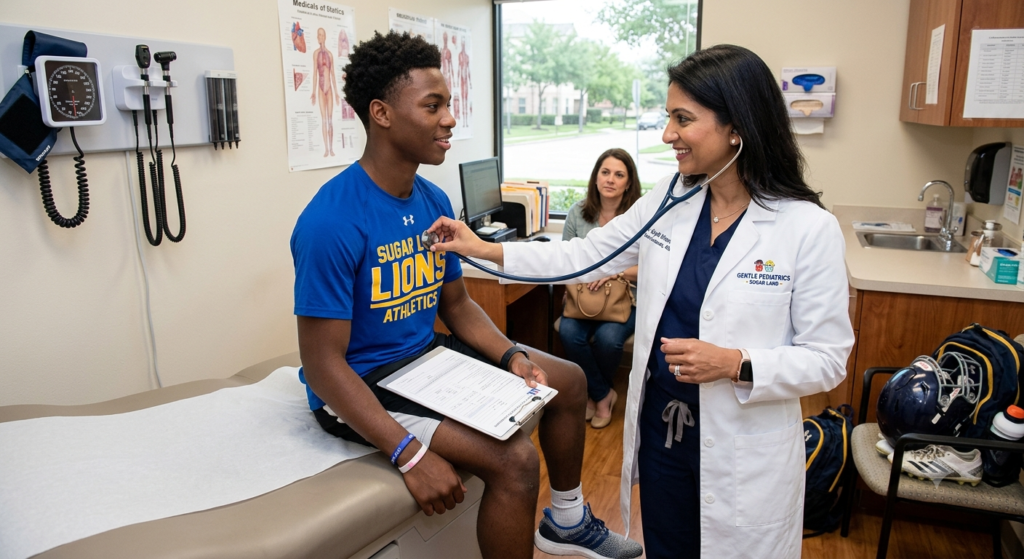
Quick Answer: A sports physical determines whether your child can safely participate in school athletics by evaluating fitness, injury risks, and conditions that could affect sports participation. An annual checkup provides a comprehensive review of your child’s overall health, growth, development, vaccinations, mental well-being, and preventive care. Both visits are important and complement each other, helping ensure children stay healthy, safe, and ready for both everyday life and athletic activities. As a parent, you want to make sure your child is healthy, active, and ready for every new opportunity. If your son or daughter plans to join a school sports team, you have probably been told they need a sports physical before the season begins. One question I hear often from parents is, “Didn’t my child already have an annual checkup? Why do they need another exam?” It is an understandable question. While both visits involve evaluating your child’s health, they serve different purposes and provide different information. As a board-certified pediatrician with more than two decades of experience caring for children and adolescents, I have helped many families prepare for school sports while also providing routine preventive care. I often explain that a state-required sports physical is not the same as a comprehensive annual wellness visit. Both are valuable, but each plays a unique role in protecting your child’s health. In this guide, I will explain the differences between a state sports physical and an annual checkup, why both matter, and how they work together to keep children healthy and safe throughout the year. What Is a State Sports Physical? A state sports physical, sometimes called a pre-participation physical evaluation (PPE), is an examination that helps determine whether a child can safely participate in organized sports. Many schools and athletic organizations require this exam before students can join practices or competitions. The primary goal is to identify medical conditions that could increase the risk of injury or illness during physical activity. A sports physical typically includes: Review of medical history Family history of heart disease or sudden cardiac death Previous injuries or surgeries Current medications Allergies Vision screening Height, weight, and blood pressure Heart and lung examination Joint, muscle, and flexibility assessment As a pediatrician, I also discuss any symptoms that may occur during exercise, such as chest pain, dizziness, fainting, or shortness of breath. These conversations can uncover concerns that require additional evaluation before sports participation. What Is an Annual Checkup? An annual checkup is a comprehensive preventive healthcare visit designed to monitor your child’s overall growth, development, and long-term health. Unlike a sports physical, an annual wellness visit looks at every aspect of your child’s physical, emotional, and developmental well-being. An annual checkup includes evaluation of: Growth and development Vaccination status Nutrition Sleep habits Mental and emotional health School performance Developmental milestones Vision and hearing Chronic medical conditions Preventive screenings Family health concerns Annual visits also give families an opportunity to ask questions about behavior, puberty, nutrition, learning, or any other concerns that may not be related to sports. The Biggest Difference Between the Two Although both visits involve a physical examination, their goals are different. A sports physical focuses on determining whether a child can safely participate in athletic activities. An annual checkup focuses on your child’s complete health and preventive care throughout the year. Think of it this way: A sports physical answers: “Is my child medically ready to play sports safely?” An annual checkup answers: “How is my child growing, developing, and staying healthy overall?” One should never completely replace the other. Can a Sports Physical Replace an Annual Checkup? No. A sports physical is much shorter and more focused than a yearly wellness exam. It does not cover many important aspects of preventive pediatric care. For example, an annual checkup may include: Immunizations mandated by the AAP Developmental assessments Mental health screening Nutrition counseling Sleep evaluation Behavioral concerns Preventive health education Discussion about puberty and adolescent health These important topics are usually outside the scope of a standard sports physical. For this reason, I always encourage families to schedule both visits if needed. Why Sports Physicals Matter Sports offer tremendous physical, emotional, and social benefits for children. However, athletic participation also places additional demands on the body. A sports physical helps identify potential risks before they become serious problems. Some conditions that may require additional evaluation include: Heart murmurs Uncontrolled asthma Previous concussions Joint instability Recent fractures Heat-related illnesses Exercise-induced breathing problems Finding these issues early helps reduce the risk of injury and allows children to participate more safely. Families looking for a sports physical in Sugar Land often visit our office before each sports season so we can ensure their child is ready to compete safely. Why Annual Checkups Are Just as Important Even children who appear healthy benefit from yearly preventive care. Many medical conditions develop gradually and may not cause noticeable symptoms at first. Annual visits allow pediatricians to: Monitor healthy growth Detect developmental concerns early Review vaccinations Address emotional well-being Screen for chronic health conditions Build long-term relationships with families Preventive care often leads to earlier diagnosis and better long-term health outcomes. What Happens During a Sports Physical? Parents often ask what their child should expect during the appointment. The visit usually includes: 1. Medical History Review I ask questions about: Past illnesses Previous injuries Hospitalizations Medications Allergies Family history of heart disease 2. Physical Examination The examination includes: Height and weight Blood pressure Vision check Heart examination Lung examination Abdomen Spine Flexibility Strength Joint movement Balance 3. Sports Readiness Discussion We also discuss: Hydration Injury prevention Concussion awareness Safe training habits Return-to-play guidelines after illness or injury These conversations help children develop healthy athletic habits that can benefit them throughout life. When Should Parents Schedule a Sports Physical? I recommend scheduling the examination several weeks before the sports season begins. This allows enough time if additional testing or specialist referrals become necessary. Avoid waiting until the last minute, especially during busy back-to-school months. If you’re
Healthy Foods for Children Who Refuse Vegetables
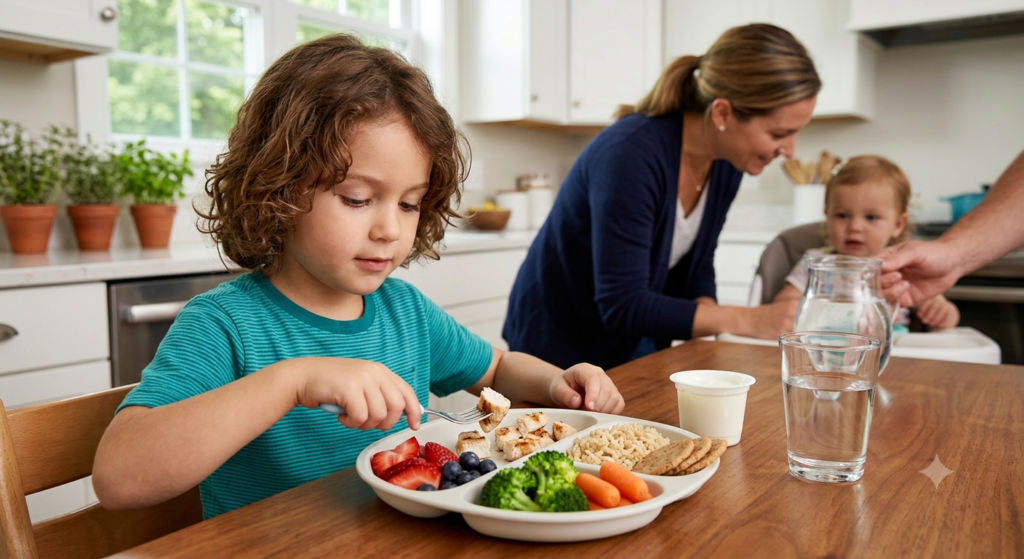
Quick Answer: Many children go through a normal phase of refusing vegetables, and parents should avoid turning mealtimes into a struggle. Instead, offer vegetables regularly without pressure while ensuring a balanced diet with fruits, whole grains, lean proteins, dairy, healthy fats, beans, eggs, and other nutrient-rich foods. Creative strategies like blending vegetables into smoothies or sauces can help. If picky eating affects growth, nutrition, or overall health, consult a pediatrician for evaluation and personalized guidance to support healthy development. As a pediatrician, one of the concerns I hear most often from parents is, “My child refuses to eat vegetables. Are they getting the nutrients they need?” If this sounds familiar, you are certainly not alone. Many toddlers and young children go through phases where they refuse broccoli, push away carrots, or insist that anything green should stay off their plate. While this can be frustrating, it is a common part of childhood development and does not necessarily mean your child will have poor nutrition. The good news is that there are many ways to help children develop healthier eating habits without turning every meal into a battle. As a board-certified pediatrician with more than two decades of experience caring for children, I encourage parents to focus on consistency, patience, and balanced nutrition rather than forcing children to clean their plates. At Gentle Pediatrics, we help families build lifelong healthy eating habits through evidence-based pediatric nutrition guidance that supports children’s growth, development, and overall well-being. Why Do Some Children Refuse Vegetables? Parents often worry that refusing vegetables means something is wrong. In most cases, picky eating is a normal stage of development. Young children naturally become more cautious about trying unfamiliar foods. Experts believe this behavior developed as a protective instinct during early childhood. Children may refuse vegetables because: They dislike the taste The texture feels unfamiliar They prefer sweeter foods They are asserting independence They have become anxious after previous mealtime struggles Most children gradually become more willing to try new foods when parents create a calm and positive eating environment. Why Vegetables Are Important Vegetables provide nutrients that growing children need every day. They supply: Vitamins A, C, and K Folate Potassium Fiber Antioxidants These nutrients help support: Healthy immune function Brain development Bone growth Good digestion Healthy vision Heart health While vegetables are important, parents should remember that nutrition is built over weeks and months, not a single meal. Should Parents Force Children to Eat Vegetables? No. One of the biggest mistakes I see is turning mealtime into a power struggle. Pressuring children to eat often creates negative feelings around food and may actually increase picky eating. Instead, parents should: Continue offering vegetables regularly Let children decide whether to eat them Praise trying new foods instead of finishing them Stay patient Repeated, pressure-free exposure to foods is the single best way to increase acceptance. Sometimes a child may need to see, smell, or interact with a new vegetable 10 to 15 times, or even more, before they gather the courage to willingly taste it. Healthy Foods That Provide Similar Nutrients If your child refuses vegetables today, don’t panic. Many other nutritious foods can temporarily provide important vitamins and minerals while you continue introducing vegetables. These include: 1. Fruits Many fruits contain nutrients similar to vegetables. Examples include: Oranges Strawberries Kiwi Mango Blueberries Apples Fruit should not completely replace vegetables, but it can help provide vitamins and fiber. 2. Sweet Potatoes Many children enjoy naturally sweet foods. Sweet potatoes provide: Vitamin A Fiber Potassium They can be baked, mashed, or cut into homemade fries. 3. Avocados Avocados contain: Healthy fats Fiber Vitamin E Folate They can easily be spread on toast or blended into smoothies. 4. Beans and Lentils Beans are excellent sources of: Protein Fiber Iron Folate Children often enjoy: Black beans Chickpeas Kidney beans Lentils These foods work well in soups, tacos, pasta dishes, and rice bowls. 5. Eggs Eggs provide high-quality protein along with several essential vitamins and minerals that support healthy growth. They also pair well with vegetables, making them a great opportunity to introduce new foods gradually. Creative Ways to Add Vegetables Without Mealtime Battles Parents often ask whether hiding vegetables is acceptable. I recommend thinking of it as introducing vegetables in different forms while still helping children recognize and become familiar with them. Here are some practical ideas. 1. Blend Vegetables into Smoothies Smoothies are an easy way to include mild vegetables. Good choices include: Spinach Kale Cauliflower Combine them with: Banana Berries Yogurt Milk Most children never notice the vegetables. 2. Add Vegetables to Pasta Sauce Finely blended vegetables mix well into tomato sauce. Try adding: Carrots Zucchini Bell peppers Spinach This works especially well with spaghetti and lasagna. 3. Bake Vegetables into Muffins Homemade muffins can include: Zucchini Pumpkin Carrots These ingredients add moisture while boosting nutrition. 4. Include Vegetables in Soups Pureed vegetable soups often have a smooth texture that children accept more easily. 5. Mix Vegetables into Favorite Foods Add finely chopped vegetables to: Macaroni and cheese Scrambled eggs Rice Meatballs Chicken patties Small changes can gradually expand your child’s palate. 5. Make Vegetables More Appealing Presentation matters more than many parents realize. Children are often more willing to try foods that look fun. Try: Colorful vegetable trays Vegetable sticks with hummus Cucumber stars Carrot coins Rainbow plates Offering a variety of colors can make meals more exciting without adding pressure. 6. Let Children Help Prepare Meals Children are much more interested in foods they help prepare. Simple kitchen jobs include: Washing vegetables Stirring ingredients Choosing vegetables at the grocery store Planting herbs or tomatoes in a garden Arranging food on the plate These activities build curiosity and confidence around healthy eating. Building a Balanced Children’s Meal Plan Instead of focusing on one food your child refuses, think about the entire day’s nutrition. A balanced children’s meal plan should include foods from several food groups. Aim to include: 1. Fruits and Vegetables Offer a variety of colors
Child Has A Cough but No Fever: What Could It Be?
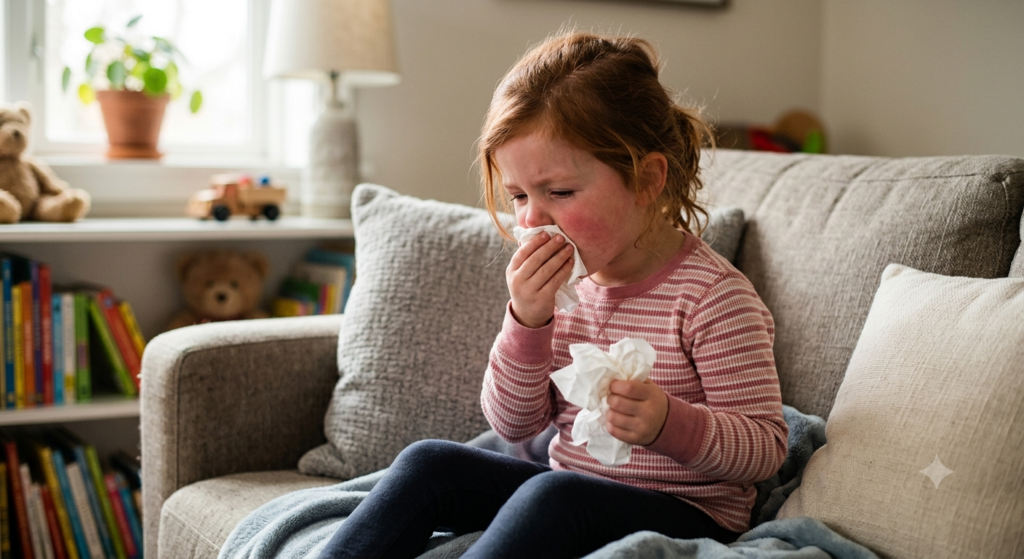
Quick Answer: A cough without a fever in children is often caused by a mild viral infection, allergies, postnasal drip, asthma, or environmental irritants and usually improves with supportive care. However, if the cough lasts more than two weeks, disrupts sleep, causes breathing difficulties, wheezing, chest pain, or persistent sore throat, your child should be evaluated by a pediatrician. Seek emergency care for severe breathing problems, blue lips, confusion, or choking. Early diagnosis helps ensure appropriate treatment and a safe recovery. As a pediatrician, one of the questions I hear most often from worried parents is: “My child has been coughing for a few days, but they don’t have a fever. Should I be concerned?” A cough without a fever is very common in children. In many cases, it is caused by a mild viral infection, allergies, or irritation in the airways. While some coughs improve on their own, others may last longer or point to an underlying condition that needs medical attention. The good news is that the absence of a fever often means your child’s body is not fighting a serious infection. However, a cough should never be ignored if it is persistent, interferes with sleep, causes breathing difficulties, or is accompanied by other concerning symptoms. As a board-certified pediatrician with more than 20 years of experience caring for children and adolescents, I believe parents should understand what different types of coughs may mean and when it is time to schedule a visit. Why Can a Child Have a Cough Without a Fever? A cough is actually a protective reflex. It helps clear mucus, dust, allergens, and germs from the airways. Many conditions can trigger coughing without raising body temperature. Some of the most common causes include: Common viral infections Seasonal allergies Postnasal drip Asthma Environmental irritants Acid reflux Mild bronchitis Habit cough Recovery after a cold The treatment depends entirely on what is causing the cough, which is why a careful evaluation is important if symptoms continue. Common Causes of a Cough Without Fever 1. A Common Cold Many viral colds begin with a runny nose and sore throat before a fever develops. In other cases, children never develop a fever at all. Symptoms often include: Runny nose Sneezing Mild sore throat Dry or wet cough Mild congestion Most colds improve within 7 to 10 days, although the cough may last for two to three weeks. 2. Seasonal Allergies Allergies are one of the most frequent reasons children develop an ongoing cough without becoming sick. When pollen, dust mites, mold, or pet dander irritate the nose, mucus drips down the back of the throat. This is called postnasal drip and often triggers coughing. Other allergy symptoms include: Itchy eyes Sneezing Clear runny nose Nasal congestion Frequent throat clearing Unlike infections, allergies do not cause fever. 3. Postnasal Drip Postnasal drip can occur after a cold or because of allergies. Extra mucus collects in the throat and stimulates the cough reflex. Parents often notice: Cough that worsens at night Frequent swallowing Feeling like something is stuck in the throat Mild sore throat In many children, treating the underlying nasal congestion helps improve the cough. 4. Asthma Asthma does not always cause wheezing. Some children have what is known as cough-variant asthma, where a chronic cough is the main symptom. Watch for: Nighttime coughing Cough after exercise Cough triggered by cold air Shortness of breath Chest tightness If asthma is suspected, your pediatrician may recommend additional evaluation and treatment. 5. Environmental Irritants Children have sensitive airways. Exposure to irritants can easily trigger coughing, including: Cigarette smoke Air pollution Strong perfumes Cleaning products Dust Smoke from fireplaces Reducing exposure often leads to significant improvement. 6. Acid Reflux Some children experience gastroesophageal reflux (GERD), where stomach acid travels back into the esophagus. Symptoms may include: Dry cough Hoarse voice Frequent throat clearing Heartburn Cough after meals or when lying down Reflux-related coughs require different treatment than infections. What Does the Type of Cough Tell Us? Listening to the character of a cough often provides valuable clues. 1. Dry Cough A dry cough may be caused by: Viral infections Allergies Asthma Irritated airways 2. Wet or Productive Cough A wet cough often suggests mucus in the airways. Possible causes include: Viral bronchitis Sinus drainage Pneumonia Bacterial infections 3. Persistent Nighttime Cough If your child’s cough mainly occurs at night, common causes include: Asthma Allergies Postnasal drip Acid reflux When Should Parents Be Concerned? Although many coughs improve with time, some symptoms require prompt medical evaluation. I recommend scheduling an appointment if your child has: A cough lasting longer than two weeks Difficulty breathing Wheezing Chest pain Persistent sore throat Poor appetite Fatigue Repeated vomiting after coughing A cough that disrupts sleep every night Parents know their children best. If something feels unusual, trust your instincts and seek medical advice. Could It Be a Sore Throat? Many children cough because their throat has become irritated. Postnasal drip, viral infections, allergies, and even acid reflux can all cause throat irritation that triggers coughing. As a child sore throat doctor in Sugar Land, I often evaluate children whose main complaint is coughing when the actual problem begins in the throat. During the examination, I carefully look for: Redness Swollen tonsils Drainage Signs of strep throat Mouth breathing Enlarged lymph nodes Finding the true cause allows us to recommend the most appropriate treatment. Does Every Cough Need Antibiotics? No. This is one of the biggest misconceptions I discuss with parents. Most coughs are caused by viral infections. Antibiotics only work against bacterial infections. Using antibiotics when they are not needed can: Cause side effects Increase antibiotic resistance Disrupt healthy bacteria If a bacterial infection is present, I will explain why antibiotics are appropriate and which medication is best for your child. How Can Parents Help at Home? Most mild coughs improve with supportive care. Helpful home measures include: 1. Encourage Fluids Water helps thin mucus and keeps the throat moist. Warm soups and clear