

A Parent’s Guide to Managing Autism Spectrum Disorder in Children
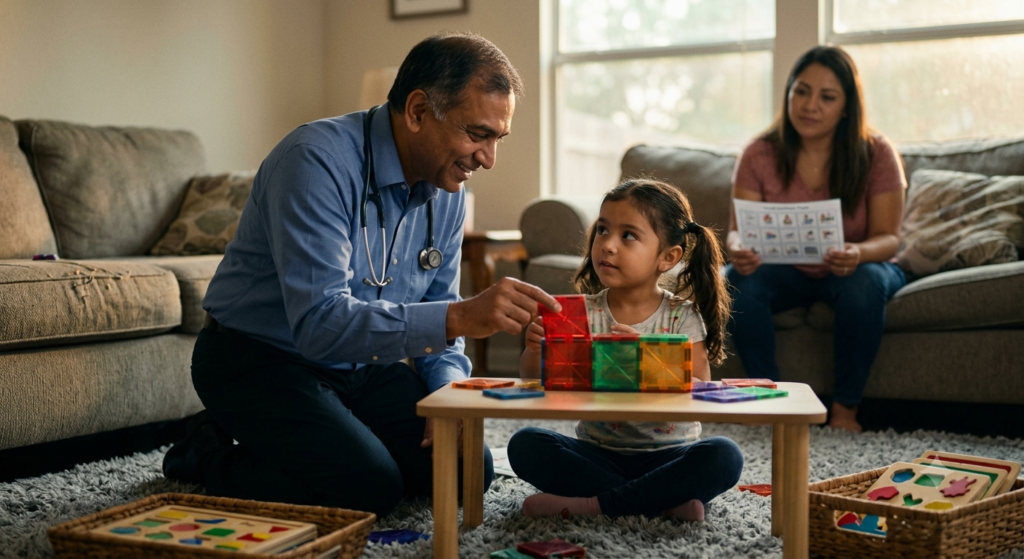
Quick Answer: Autism Spectrum Disorder (ASD) is a neurodevelopmental condition that affects communication, social interaction, behavior, and sensory processing. Early signs may include delayed speech, limited eye contact, repetitive behaviors, and sensory sensitivities. Early screening, diagnosis, and intervention can significantly improve outcomes. Every child with autism is unique and may require different levels of support. Parents can help through structured routines, communication-building activities, and sensory-friendly environments while also prioritizing their own well-being and seeking professional guidance when concerns arise. As a pediatrician, one of the most important conversations I have with families involves concerns about a child’s development, communication skills, social interactions, or behavior. Many parents first notice subtle signs such as delayed speech, limited eye contact, repetitive behaviors, and more. These observations often lead parents to ask, “Could my child have autism?” Receiving an Autism Spectrum Disorder (ASD) diagnosis can bring a mix of emotions, including concern, uncertainty, relief, and many questions about the future. The good news is that children with autism can make meaningful progress when they receive early support, appropriate interventions, and a strong network of family and healthcare professionals. As a board-certified pediatrician with more than two decades of experience caring for children and adolescents, I have worked closely with many families navigating autism diagnoses. My goal is always to provide clear information, compassionate guidance, and evidence-based care that helps children reach their fullest potential. This guide explains Autism Spectrum Disorder, common signs, treatment options, and practical ways parents can support their child every day. What Is Autism Spectrum Disorder? Autism Spectrum Disorder (ASD) is a neurodevelopmental condition that affects how a child: Communicates Interacts socially Processes information Responds to sensory experiences Engages in certain behaviors The word “spectrum” is important because autism affects every child differently. Some children may need significant support in daily life, while others may function independently and excel academically. A Note for Parents: Autism is not caused by parenting style, discipline methods, or emotional experiences. It is a biological developmental condition that begins early in life. Recognizing Early Signs of Autism While every child develops at their own pace, certain behaviors may suggest the need for further evaluation. Common signs include: 1. Communication Differences A child may: Have delayed speech development Use limited gestures Struggle to maintain conversations Repeat words or phrases 2. Social Interaction Challenges Children with autism may: Avoid eye contact Prefer playing alone Have difficulty understanding social cues Show limited interest in peer interactions 3. Repetitive Behaviors Examples may include: Repetitive body movements Hand flapping Rocking Repeating routines 4. Sensory Sensitivities Some children may be unusually sensitive to: Sounds Lights Textures Smells Certain foods Recognizing these signs early can help families access appropriate support and services. How Autism Is Diagnosed There is no single blood test or imaging study that diagnoses autism. Instead, diagnosis typically involves: Developmental screenings Behavioral observations Parent interviews Standardized assessment tools Medical evaluations Healthcare providers look at patterns of behavior and development over time. A thorough evaluation helps ensure that children receive the most accurate diagnosis and appropriate support. The Mandated 18 and 24-Month Screenings: Because early signs can be subtle, the American Academy of Pediatrics (AAP) recommends that all children undergo standardized, universal screening specifically for Autism Spectrum Disorder at their 18-month and 24-month well-child checkups. These formal screenings (often using tools like the M-CHAT-R/F questionnaire) are integrated into routine care to catch markers early, even if parents haven’t noticed obvious delays yet. Understanding That Every Child Is Unique One of the most important things parents should remember is that no two children with autism are exactly alike. Some children may: Develop strong language skills Excel academically Need minimal support Others may require more assistance with: Communication Social interactions Daily living activities Avoid comparing your child to other children with autism. The focus should always be on your child’s individual strengths, challenges, and goals. Practical Ways to Support Your Child at Home 1. Supporting Communication Development Reading together regularly is an excellent way to build vocabulary and listening comprehension. Engage in simple, structured play like singing repetitive songs, playing interactive games, and practicing turn-taking to foster back-and-forth communication. 2. Creating Predictable Daily Routines Many children with autism thrive when their daily environments are highly consistent. Predictability reduces anxiety and sensory overwhelm. Try maintaining regular meal times, consistent bedtimes, and clear visual schedules (using pictures or charts) to help your child visually anticipate daily transitions and upcoming changes. 3. Managing Sensory Sensitivities Sensory overload can quickly exhaust a child’s coping mechanisms. Parents can support their child by identifying specific triggers, such as fluorescent lighting or loud appliances, and creating dedicated “calm spaces” in the home. Allowing proactive sensory breaks can significantly minimize environmental stress. Caring for Yourself as a Parent Parents often dedicate enormous amounts of time and energy to supporting their child. However, caregiver well-being is equally important. Parents should: Seek support when needed Maintain healthy routines Connect with trusted friends and family Participate in support groups if helpful Taking care of yourself helps you better support your child. Common Misconceptions About Autism Several myths about autism continue to circulate. Myth: Autism is caused by poor parenting. Fact: Autism is a neurodevelopmental condition and is not caused by parenting practices. Myth: Children with autism cannot form meaningful relationships. Fact: Many children with autism build strong and loving relationships with family members and friends. Myth: Autism always looks the same. Fact: Autism affects every child differently. Understanding these facts helps families make informed decisions based on evidence rather than misconceptions. When Parents Should Seek an Evaluation Parents should discuss developmental concerns with a healthcare provider if they notice: Delayed speech Limited eye contact Social difficulties Repetitive behaviors Developmental regression Sensory sensitivities affecting daily life A comprehensive child behavior evaluation in Sugar Land can help determine whether further assessment is appropriate. Early evaluation provides opportunities for earlier support. Developmental and Behavioral Support at Gentle Pediatrics Our practice provides comprehensive developmental and behavioral support, including: Developmental screenings Behavioral assessments Autism-related evaluations School readiness
Effective Ways to Reduce Child Fever Naturally at Night
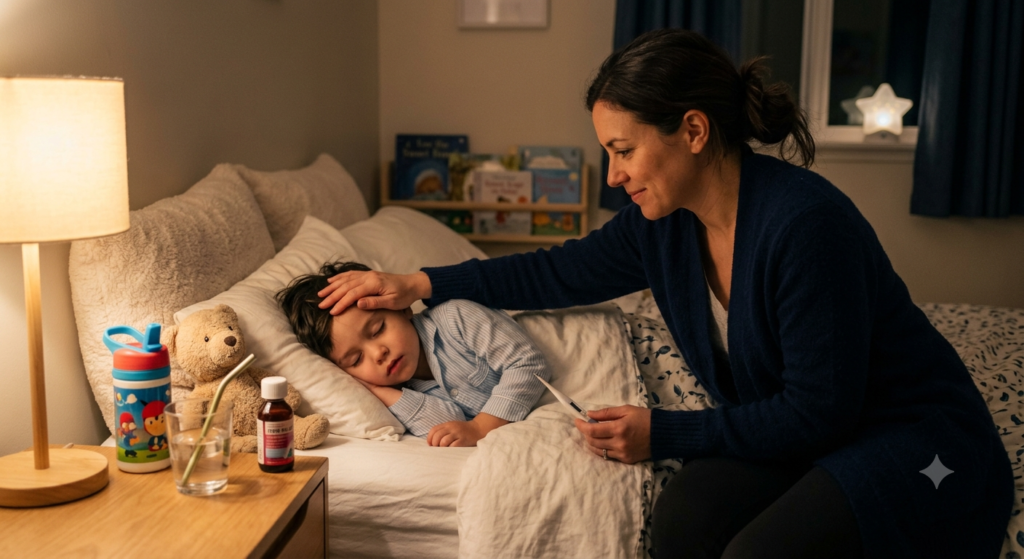
Quick Answer: To control nighttime fever, focus on your child’s behavior, hydration, and comfort. Keep them in lightweight clothing, maintain a moderate room temperature, and encourage rest. Avoid ice baths, heavy blankets, and aspirin. Seek medical attention for infants under three months, breathing difficulties, dehydration, or unusual confusion. Ultimately, prioritize your child’s overall responsiveness and comfort over precise digital temperature readings. As a pediatrician, one of the most common late-night concerns I hear from parents is: “My child’s fever is higher at night. What should I do?” If you have ever checked your child’s temperature before bedtime and felt worried seeing the thermometer reading rise, you are not alone. Many parents become especially anxious when the fever appears to worsen overnight. Over my more than 25 years of caring for children, I have reassured countless families that fever is often a normal response to infection. In many cases, the body’s immune system raises its temperature to help fight viruses or bacteria. As a board-certified pediatrician, I believe parents feel more confident when they understand what fever means and how to manage it safely at home. In this guide, I will explain effective ways to reduce discomfort from fever naturally at night, when home care may be appropriate, and when you should contact a healthcare professional. Why Does Fever Often Seem Worse at Night? Many parents notice that their child’s temperature appears higher in the evening. This observation is rooted in normal human physiology. Body temperature naturally fluctuates throughout a 24-hour cycle due to circadian biological rhythms. Temperatures naturally peak slightly during the late afternoon and evening, even in perfectly healthy individuals. When a child is actively fighting an infection, this natural circadian rhythm stacks on top of the immune response, making fevers seem much more dramatic at night. A higher nighttime temperature does not automatically mean the underlying illness is becoming more serious. Instead of focusing exclusively on the numbers on the digital display, pay close attention to your child’s physical cues: Behavior and Responsiveness: Are they tracking you with their eyes and responding normally? Energy and Comfort: Are they able to settle down, or are they inconsolably irritable? Hydration Status: Are they still producing wet diapers and tears? Breathing Patterns: Is their breathing smooth, or does it look labored? Effective Methods to Reduce Nighttime Child Fever Below are some of the best ways you can control your child’s fever at night: 1. Keep Your Child Well Hydrated Hydration is one of the most important aspects of fever management. When children have a fever, they may lose fluids through: Sweating Faster breathing Reduced appetite Illness-related fluid loss Dehydration can make children feel worse and may contribute to additional complications. Before bedtime, encourage fluids such as: Water Breast milk Formula Oral rehydration solutions Clear broths For older children, ice pops can sometimes make hydration more appealing. Even small, frequent sips can be helpful. 2. Dress Your Child in Lightweight Clothing Many parents instinctively bundle a child with a fever in extra blankets. While the intention is understandable, excessive layering can trap body heat and increase discomfort. I generally recommend: Lightweight pajamas Breathable cotton fabrics Comfortable sleepwear The goal is to maintain comfort rather than forcing the body to become warmer. 3. Keep the Bedroom Comfortable A comfortable sleeping environment can make a significant difference. Helpful measures include: Maintaining a moderate room temperature Allowing gentle air circulation Using breathable bedding The room does not need to be cold. Extremely cold environments may actually make children more uncomfortable. Focus on comfort rather than trying to rapidly cool the body. 4. Use Lukewarn Bath A lukewarm bath is a safe and effective way to help lower a child’s temperature, primarily through evaporation. However, it should only be used to make the child feel more comfortable. To safely cool your child, follow these guidelines: Water Temperature: Keep it lukewarm, around 90°F to 95°F (32°C to 35°C). Duration: 20 to 30 minutes. Stop if Shivering Starts: If your child gets the chills or starts shivering, take them out of the bath immediately. 5. Encourage Rest and Sleep Sleep is one of the body’s most effective healing tools. During illness, children often need additional rest. At night, encourage: Quiet activities before bedtime A consistent sleep routine Reduced screen exposure before sleep Many parents wonder whether they should wake a sleeping child simply to recheck a temperature. In many situations, a child who is sleeping comfortably may be allowed to continue resting unless otherwise directed by a healthcare professional. 6. Offer Easy-to-Digest Foods Before Bed Children with fever frequently experience reduced appetite. This is often normal and temporary. If your child is interested in eating, consider light options such as: Applesauce Yogurt Bananas Toast Crackers Soup Hydration is generally more important than food intake during the early stages of illness. Avoid forcing meals if your child is not hungry. What Parents Should Avoid Over the years, I have encountered several common misconceptions about fever management. The following approaches are generally not recommended: 1. Ice Baths Modern AAP guidelines explicitly discourage ice baths and sponge bathing for routine fever management. Rapidly cooling the skin causes peripheral vasoconstriction and triggers violent shivering. Shivering is a metabolic mechanism that actively forces the brain to drive the internal core body temperature higher, increasing your child’s discomfort and metabolic stress. 2. Alcohol Rubs Alcohol may be absorbed through the skin and can be harmful. 3. Heavy Blankets If your child feels chilled, a light blanket may be appropriate. However, heavy blankets and multiple layers can sometimes worsen overheating. Allow your child to sleep comfortably without excessive covering. If they become too warm, they may have difficulty resting. 4. Constant Temperature Checking Repeatedly checking temperatures every few minutes often increases parental anxiety without improving care. Focus on how your child is feeling overall. 5. Aspirin You must never, under any circumstances, give aspirin to a child or adolescent. Aspirin use during a viral illness is directly linked to Reye’s syndrome, a rare
How Parents Can Protect Their Child During Peak Allergy Season
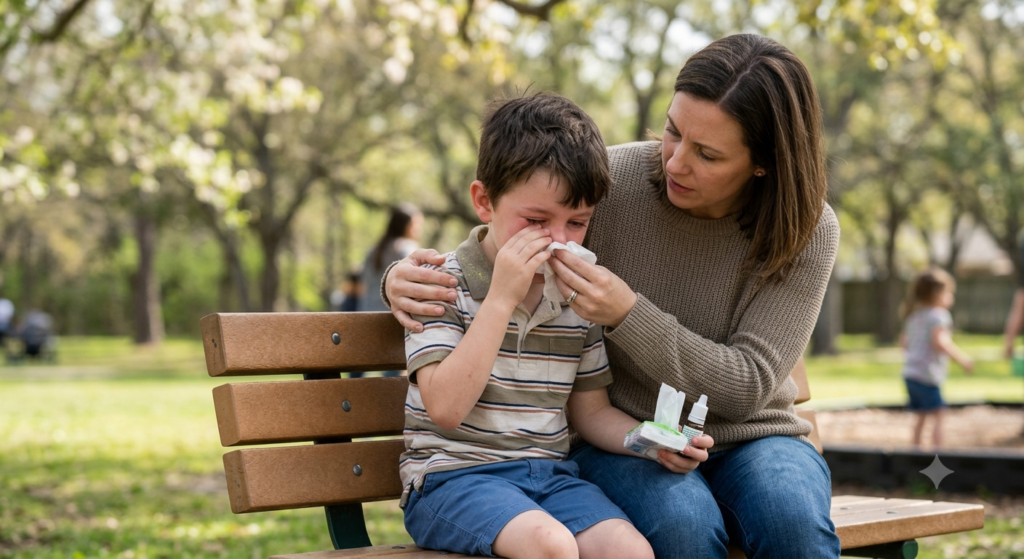
Quick Answer: Parents can reduce allergy exposure by monitoring local pollen counts, keeping windows closed, and encouraging children to change clothes and shower after outdoor activities. If symptoms persist or interfere with your child’s quality of life, consulting a pediatrician for an individualized care plan is recommended. As a pediatrician, one of the most common concerns I hear from parents during spring and fall is: “My child keeps sneezing, rubbing their eyes, and complaining about a stuffy nose. Could it be allergies?” For many families, peak allergy season can be a challenging time of year. Children who suffer from seasonal allergies often experience symptoms that affect their sleep, school performance, outdoor activities, and overall quality of life. The good news is that parents can take several practical steps to reduce allergy exposure and help children stay comfortable throughout allergy season. As a board-certified pediatrician with more than two decades of experience caring for children and adolescents, I have helped many families successfully manage seasonal allergies through prevention strategies, early intervention, and personalized care plans. This guide explains what causes seasonal allergies, how to recognize symptoms, and the best ways to protect your child during peak allergy season. Understanding Seasonal Allergies in Children Seasonal allergies occur when the immune system overreacts to substances in the environment that are normally harmless. These substances are called allergens. Common seasonal allergy triggers include: Tree pollen Grass pollen Weed pollen Mold spores When a child with allergies is exposed to these allergens, the immune system releases chemicals such as histamine, which can lead to a variety of symptoms. Why Allergy Season Can Be Difficult for Children Children spend a significant amount of time outdoors. Activities such as: Recess Sports Playground time Outdoor family activities can increase exposure to pollen and other allergens. Additionally, children may not always recognize or communicate their symptoms clearly. Some children simply appear tired, irritable, or distracted when allergy symptoms are affecting them. As a result, parents may not immediately realize allergies are the cause. Common Signs of Seasonal Allergies Many allergy symptoms resemble those of a common cold. However, seasonal allergies often last longer and tend to follow predictable patterns throughout the year. Common symptoms include: Frequent sneezing Runny nose Nasal congestion Itchy nose Itchy eyes Watery eyes Postnasal drip Throat irritation Mild cough Fatigue, poor sleep, and increased irritability Recognizing these symptoms early can help families seek appropriate care. When Does Peak Allergy Season Occur? The timing varies depending on location and environmental conditions. In Texas, common allergy seasons include: 1. Spring Tree pollen is often highest during spring months. Common triggers include: Oak trees Cedar trees Elm trees 2. Summer Grass pollen levels may rise significantly. 3. Fall Weed pollens, including ragweed, become major triggers. 4. Year-Round Allergens Some children are affected by allergens throughout the year, including: Dust mites Pet dander Indoor mold Understanding your child’s triggers is an important step in allergy management. How Parents Can Reduce Pollen Exposure One of the most effective strategies is reducing exposure whenever possible. While it is impossible to eliminate pollen completely, small changes can make a meaningful difference. 1. Monitor Local Pollen Counts Many weather apps and allergy websites provide daily pollen forecasts. When pollen counts are especially high: Limit prolonged outdoor activities Schedule outdoor play later in the day if possible 2. Keep Windows Closed During peak allergy periods: Keep home windows closed Use air conditioning when available Open windows can allow pollen to enter the home. 3. Change Clothes After Outdoor Activities Pollen often sticks to: Clothing Hair Shoes Encourage children to change clothes after spending time outdoors. 4. Shower Before Bed Bathing helps remove allergens from: Hair Skin This may reduce nighttime allergy symptoms. Creating an Allergy-Friendly Home Environment Parents can also reduce allergen exposure indoors. Helpful strategies include: 1. Vacuum Regularly Use a vacuum equipped with a high-efficiency filter when possible. 2. Wash Bedding Frequently Pollen and dust can accumulate on bedding. Weekly washing may help reduce exposure. 3. Use Air Filters High-quality air filtration systems may help reduce airborne allergens. 4. Keep Pets Clean Pets can carry pollen indoors after spending time outside. Regular grooming may help minimize this problem. How Seasonal Allergies Affect Sleep One of the most overlooked effects of allergies is poor sleep. Nasal congestion and postnasal drip can make it difficult for children to rest comfortably. Poor sleep may lead to: Daytime fatigue Mood changes Difficulty concentrating Reduced school performance When I evaluate children during allergy season, sleep quality is often an important part of the discussion. Improving allergy control frequently leads to better sleep and improved daytime functioning. The Connection Between Allergies and School Performance Many parents are surprised to learn that allergies can affect academic performance. Persistent symptoms may contribute to: Difficulty focusing Increased fatigue Frequent absences Reduced classroom participation Children who are constantly sneezing or dealing with congestion may have a harder time concentrating on schoolwork. Addressing allergy symptoms early can help support both health and learning. Hydration During Allergy Season Proper hydration supports overall health and may help keep nasal passages comfortable. Encourage children to drink water throughout the day. Hydration is especially important for children who: Participate in sports Spend time outdoors Experience increased mucus production While hydration does not cure allergies, it can help children feel more comfortable. Understanding Allergy Medications Many families ask whether medications are necessary. The answer depends on: Symptom severity Frequency of symptoms Impact on daily life Some children benefit from medication during allergy season. However, parents should always follow guidance from their healthcare provider regarding medication use. As a seasonal allergies pediatrician in Sugar Land, I emphasize individualized treatment plans because every child’s needs are different. When Allergy Testing May Be Helpful In some situations, allergy testing may provide valuable information. Testing may be considered when: Symptoms are persistent Triggers are unclear Standard treatments are not effective Symptoms significantly affect quality of life Identifying specific triggers can help families create more targeted prevention strategies. A child