

Can Frequent Ear Infections Affect a Child’s Speech?

Quick Answer: Frequent ear infections can sometimes affect a child’s speech and language development, especially when fluid builds up behind the eardrum and causes temporary hearing difficulties. Signs may include delayed speech, unclear words, limited vocabulary, and difficulty following instructions. Not every child with ear infections develops speech delays, but persistent concerns deserve early evaluation. A pediatrician can assess ear health, recommend hearing tests, and refer to a speech-language pathologist if needed. Early intervention supports healthy communication development. When a child has repeated ear infections, parents often focus on the immediate symptoms: ear pain, fever, poor sleep, and irritability. But some parents also notice that their child is not speaking clearly, is slow to learn new words, or often seems not to hear when spoken to. Could these problems be connected? Yes, frequent ear infections can sometimes affect a child’s speech and language development, especially when fluid remains in the middle ear and temporarily reduces hearing. However, not every child with ear infections will develop speech delays, and many children recover without lasting hearing problems. The important step is to recognize possible signs of hearing difficulty and seek an evaluation when needed. As a board-certified pediatrician with more than two decades of experience caring for infants, children, and adolescents, I encourage parents to discuss recurring ear infections and speech concerns early so I can determine whether hearing, language development, or another issue needs attention. How Are Ear Infections Connected to Speech? To learn speech, children need to hear sounds and gradually understand how words are used. Hearing helps them recognize the sounds in words, copy what other people say, and build their vocabulary. A middle ear infection, also called acute otitis media, occurs when the space behind the eardrum becomes inflamed and infected. Fluid can collect in this space and make it harder for sound to travel normally through the ear. Even after the infection improves, fluid may remain behind the eardrum for weeks. This can cause temporary hearing difficulty. If fluid or hearing loss persists, a young child may have trouble hearing speech clearly during an important period of language development. This does not mean every ear infection will cause a speech delay. The risk depends on factors such as how long fluid remains, whether one or both ears are affected, the degree of hearing loss, and the child’s overall developmental needs. Can Repeated Ear Infections Cause Speech Delays? Repeated infections may be a concern when they lead to ongoing middle ear fluid or hearing difficulties. A child who cannot consistently hear speech clearly may miss parts of conversations, have difficulty copying words, or struggle to understand spoken instructions. Parents may notice that their child: Learns new words more slowly than expected. Uses fewer words than other children of a similar age. Has trouble following simple spoken directions. Says words unclearly or mispronounces sounds. Often asks people to repeat themselves. Seems to hear better in some situations than others. These signs do not prove that ear infections are the cause. Speech and language delays can have several explanations, including hearing loss unrelated to infections and other developmental differences. The CDC recommends asking a child’s healthcare provider for a hearing assessment promptly when hearing concerns arise rather than waiting to see whether the child catches up. Signs That Ear Infections May Be Affecting Hearing Young children cannot always explain that they are having trouble hearing. Parents may notice changes in their behavior or communication before the child says anything about their ears. Look for these possible warning signs: Your child often says “What?” or asks you to repeat things. Your child turns up the television volume. Your child responds when they can see you but not when you call from another room. Your child has difficulty following instructions. Your child speaks less clearly than before. Your child seems less engaged in conversations or group activities. The CDC identifies delayed speech, unclear speech, difficulty following directions, and frequently asking others to repeat themselves as possible signs of hearing loss. These signs deserve attention even if your child passed a newborn hearing screening. When Should Parents Seek Medical Attention? If your child has repeated ear infections and you are concerned about speech, hearing, or language development, schedule a pediatric appointment. You do not need to wait for another infection to occur. Contact your pediatrician if your child has ear pain with hearing difficulty, fluid draining from the ear, worsening symptoms, or symptoms that last more than two to three days. A baby younger than three months with a temperature of 100.4°F (38°C) or higher needs immediate medical evaluation. You should also arrange an assessment if your child is missing speech milestones or no longer uses words or communication skills they previously had. A pediatrician can examine the ears and help determine whether a hearing test, speech-language evaluation, or specialist referral is needed. How Do Pediatricians Evaluate Ear Infections and Speech Delays? The first step is understanding your child’s medical history and current symptoms. I may ask how often ear infections occur, whether your child has trouble hearing, and when you first noticed speech concerns. An evaluation may include: An ear examination: I examine the eardrums for signs of infection or fluid behind them. A middle ear fluid problem can remain even after the painful infection has resolved. A hearing assessment: An age-appropriate hearing test can help determine whether your child hears sounds clearly. Hearing testing is particularly important when middle ear fluid persists for three months or longer, or sooner for children who are at increased risk of developmental difficulties. A developmental assessment: We review your child’s communication milestones and other areas of development. If needed, a speech-language pathologist can assess understanding, vocabulary, and speech production. Identifying hearing difficulties early can help children access appropriate support sooner. What Treatments May Help? Treatment depends on whether your child has an active ear infection, persistent middle ear fluid, hearing loss, or a separate speech and language concern. Not every ear infection needs
Why Does My Child Keep Complaining About Headaches? Common Causes Explained

Quick Answer: Frequent headaches in children can result from dehydration, missed meals, poor sleep, stress, migraines, vision problems, infections, or medication overuse. Parents can help by encouraging healthy routines, adequate hydration, regular meals, sufficient sleep, and keeping a headache diary to identify possible triggers. Consult a pediatric doctor in Sugar Land if headaches recur, worsen, disrupt daily activities, or cause vomiting or vision changes. Seek emergency care for sudden, severe headaches or symptoms such as confusion, weakness, or fever with a stiff neck. When a child keeps saying, “My head hurts,” it is natural for parents to worry. You may wonder whether your child is tired, stressed about school, spending too much time on screens, or dealing with a health problem that needs attention. Headaches are common in children and teenagers. Many are linked to everyday factors, such as dehydration, missed meals, poor sleep, stress, or migraines. However, repeated headaches should not be ignored, especially when they interfere with school, play, or sleep. As a board-certified pediatrician at Gentle Pediatrics in Sugar Land, I encourage parents to share their concerns early so we can work together to understand what may be causing a child’s symptoms. Here are some common reasons children experience headaches, and the warning signs parents should know. 1. Dehydration and Missed Meals Children often get caught up in school, sports, and play and forget to drink enough water or eat regularly. Dehydration and missed meals can trigger headaches in some children, particularly during busy days or after physical activity. Watch for signs such as: Complaints of thirst or a dry mouth Darker urine or urinating less often Skipping breakfast or other meals Headaches after sports or outdoor play Feeling tired or dizzy Encourage your child to drink water throughout the day and eat regular, balanced meals. If headaches continue despite these changes, arrange a medical evaluation rather than assuming dehydration is the cause. 2. Not Getting Enough Sleep Sleep helps children’s bodies and brains recover. When children stay up late, wake frequently, or follow irregular sleep schedules, they may be more likely to experience headaches. Changes in sleep patterns can also trigger migraines in children who are prone to them. To support better sleep: Keep bedtime and wake-up times consistent. Reduce stimulating activities before bed. Avoid phones and tablets during the bedtime routine. Make sure your child has enough time to sleep for their age. Tell your pediatrician if your child snores heavily or remains tired despite adequate sleep. If headaches regularly occur in the morning, wake your child from sleep, or are becoming more severe, seek prompt medical advice. These patterns deserve evaluation, especially if accompanied by vomiting or changes in vision or behavior. 3. Stress, Anxiety, and School Pressure Children experience stress, even when they cannot explain what is bothering them. Schoolwork, exams, friendship problems, bullying, family changes, and busy schedules can all contribute to emotional tension. Stress may trigger tension headaches. These often feel like a dull ache or tight pressure around the forehead or both sides of the head. Some children also complain of neck pain, tiredness, or difficulty concentrating. Parents can help by: Asking open questions about school and friendships. Making time for relaxed family conversations. Keeping schedules manageable. Encouraging breaks from homework and screens. Helping children develop healthy ways to handle stress. If headaches often occur before school or during stressful situations, take your child’s complaints seriously. The pain is real, even when stress may be contributing to it. A pediatrician can help assess possible causes and recommend appropriate support. 4. Migraines in Children Migraines are more than ordinary headaches. The American Academy of Pediatrics (AAP) notes that about 10% of children age 5-15 and up to 28% of teens get migraines. They can cause intense, throbbing pain that affects one or both sides of the head. Children may also experience nausea, vomiting, sensitivity to light or sound, and vision changes. Some want to lie down in a quiet, dark room until the pain improves. Migraines can run in families. Common triggers include irregular sleep, dehydration, skipped meals, stress, and certain individual food or environmental triggers. If your child frequently has headaches that interrupt school, sports, or daily activities, schedule a medical evaluation. A pediatrician can review the symptoms, examine your child, and determine whether migraine is a possible cause. Do not assume every severe headache is a migraine, particularly if it is new, sudden, or different from previous episodes. 5. Vision Problems and Eye Strain Sometimes, a child’s headaches are connected to vision difficulties. A child who struggles to see the classroom board or focus on schoolwork may squint, rub their eyes, or complain of pain after reading. Look for signs such as: Headaches after reading or using a computer. Squinting to see distant objects. Holding books unusually close. Frequent eye rubbing. Complaints of blurred vision. The CDC recommends discussing vision concerns with your child’s healthcare provider. Vision problems can affect learning and classroom participation, so an eye examination may be appropriate when symptoms suggest difficulty seeing clearly. Reducing prolonged screen use and taking regular breaks may help with eye strain, but persistent headaches should not automatically be blamed on screens or eyesight. 6. Viral Illnesses and Sinus Problems Headaches can occur when children have common infections, including illnesses that cause fever, congestion, or other cold symptoms. These headaches often improve as the underlying illness gets better. Sinus-related discomfort may occur with nasal congestion and facial pressure, although not every headache with a stuffy nose is caused by a sinus infection. Encourage rest and fluids while monitoring your child’s symptoms. Contact your pediatrician if the headache persists, worsens, or occurs with concerning symptoms. Never give antibiotics unless a healthcare professional determines they are needed. Many childhood illnesses are caused by viruses, which antibiotics do not treat. 7. Medication Overuse and Other Causes Repeated use of pain-relief medicines can sometimes contribute to more frequent headaches. This is known as medication-overuse headache. If your child regularly needs medicine for headaches,
How Does Screen Time Affect Children’s Sleep, Attention, and Behavior?
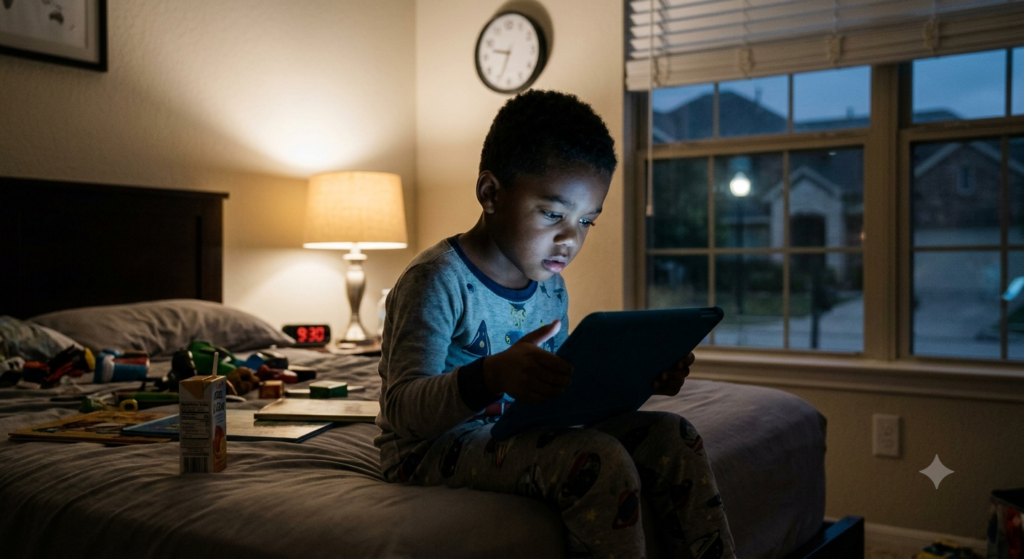
Quick Answer: Excessive screen time, especially before bedtime, can disrupt children’s sleep, affect attention and learning, and contribute to irritability or emotional outbursts. Parents can encourage healthier habits by setting consistent screen limits, avoiding devices at least one hour before bed, choosing age-appropriate content, and promoting outdoor play, reading, and family interaction. For children aged 2–5, the AAP recommends about one hour of high-quality screen time daily. Consult your pediatrician if screen use affects your child’s daily well-being. Screens have become a regular part of childhood. Children use tablets for learning, watch videos for entertainment, play games, and connect with friends through phones. While technology can offer educational and social benefits, too much screen use or using devices at the wrong time can affect a child’s sleep, attention, and behavior. As a board-certified pediatrician, I encourage parents to look beyond the number of hours their children spend on screens. It is also important to consider what they watch, when they use devices, and whether screen time is replacing sleep, outdoor play, reading, or family interaction. This guide explains how excessive screen time can impact your child’s sleep, attention, and behavior. How Screen Time Can Affect Children’s Sleep Sleep is essential for children’s physical growth, learning, memory, and emotional health. However, screens can make it harder for children to get enough restful sleep, especially when they use phones, tablets, or gaming devices close to bedtime. There are several reasons for this. Bright light: Light from screens can interfere with the body’s natural sleep signals. Exciting content: Fast-paced videos, games, and social media can keep a child’s mind active when it is time to relax. Delayed bedtime: Children may continue watching videos or playing games instead of going to bed. Nighttime notifications: Messages and alerts can interrupt sleep or tempt children to check their devices. The American Academy of Pediatrics (AAP) notes that digital media can disrupt when children fall asleep, how long they sleep, and their overall sleep quality. What Can Parents Do? Try creating a predictable bedtime routine that does not involve screens. Encourage your child to stop using devices at least one hour before bed, keep phones and tablets out of the bedroom overnight, and choose relaxing activities such as reading or listening to calm music. Children also need consistent sleep schedules, including on weekends. If your child regularly struggles to fall asleep, wakes frequently, or feels tired during the day, discuss these concerns with your pediatrician. Can Screen Time Affect Attention and Learning? Have you noticed that your child struggles to finish homework, becomes distracted easily, or finds it difficult to focus on a quiet activity? Screen habits may be one factor worth reviewing. Some digital content keeps users engaged through frequent rewards, rapid changes, autoplay, and constant notifications. These features can make it harder to stop using a device and switch to a less stimulating task. 2026 research by AAP links heavier digital media use in school-aged children with weaker attention control and less favorable learning outcomes. However, these findings do not mean that screens automatically cause attention problems in every child. The type of content, the child’s age, family routines, and other factors also matter. Ways to Support Better Attention Parents can help children develop stronger focus by: Turning off notifications during homework. Keeping phones away during meals and study time. Encouraging reading, puzzles, crafts, and imaginative play. Breaking homework into smaller, manageable tasks. Providing time for outdoor play and physical activity. Choosing educational content that matches the child’s age and interests. If your child continues to struggle with attention at home and school, do not assume screen time is the only explanation. Sleep difficulties, stress, learning differences, anxiety, and attention-deficit/hyperactivity disorder (ADHD) may also affect concentration. A pediatric evaluation can help identify what support your child needs. How Screen Time Can Influence Children’s Behavior Do you notice your child becoming upset when you ask them to turn off a tablet? Does your toddler have frequent meltdowns after watching videos, or does your school-age child become irritable when a game ends? These reactions can happen for several reasons. Digital activities can be highly engaging, and stopping suddenly may frustrate children who are still learning to manage strong emotions. Young children especially need practice handling boredom, disappointment, and transitions without always relying on a screen to calm down. Screen use may also expose children to frightening, violent, or age-inappropriate content that influences their feelings and behavior. The effect depends on the child’s age, the content, and how they respond to it. Signs Parents Should Watch For Pay attention if your child: Has intense meltdowns almost every time screen time ends. Becomes increasingly irritable or restless without a device. Loses interest in hobbies, outdoor play, or time with friends. Has trouble managing frustration without watching videos or playing games. Uses screens so often that family time, meals, or sleep suffer. These signs do not automatically mean your child has a behavioral disorder or is addicted to technology. However, persistent problems are worth discussing with your pediatrician. Does Screen Time Affect Babies and Young Children Differently? Yes. Age and development matter when deciding how children should use screens. Babies learn through real-world experiences, including looking at faces, hearing conversations, exploring objects, and interacting with caregivers. For children younger than 18 months, the AAP generally recommends avoiding screen media except for interactive video chatting. For children aged 18 to 24 months, parents who introduce media should choose high-quality content and watch it with their child. For children aged 2 to 5 years, the AAP recommends limiting screen use to about one hour a day of high-quality programming, with parents watching and discussing content when possible. For older children, families should consider whether media use is interfering with sleep, schoolwork, physical activity, relationships, or other important parts of life. For young children, prioritize activities such as: Reading picture books together. Playing with blocks, puzzles, and toys. Singing songs and talking throughout the day. Spending time outdoors. Practicing imaginative play.