

Signs Your Child Might Be Struggling — and What to Do Next

Children are naturally expressive, curious, and full of emotional growth. But just like adults, they experience stress, frustration, worry, sadness, and overwhelm. The difference is: they often don’t have the words to explain what they’re feeling. When something is weighing on a child’s mind or affecting their emotional health, the signs are almost always visible — just not always obvious. As a parent or caregiver, you are the closest observer of your child’s daily behavior, personality, habits, and emotional patterns. You are often the first person to notice when something feels off. But noticing is only the first step. Understanding what the signs mean and how to respond is what ensures your child gets the support they need. Why Children Struggle — Even When Life Seems “Fine” Children experience complex internal worlds long before they know how to talk about them. Stressors that seem small to adults can feel huge to a child. For example: Starting or changing schools Friendship conflicts Academic pressure Being teased or excluded Feeling “different†Sibling competition Major family transitions Over-scheduling Even lack of enough rest, downtime, or play Kids often don’t say “I’m stressed†or “I feel sad.â€Instead, their behavior changes. Their moods shift. Their sleep, eating, schoolwork, or interactions show the signals. Your job is not to decode every emotion perfectly — it’s simply to notice and respond with care. How to Know When a Child Is Struggling: Key Signs to Look For Not every sign means something is wrong — but consistent patterns matter. Below are some of the most common emotional, behavioral, and physical indicators that a child may be having difficulty coping. 1. Sudden Changes in Mood or Personality Children naturally have ups and downs, but watch for noticeable shifts, such as: Becoming unusually quiet or withdrawn Displaying intense irritability or anger Crying more easily or frequently Losing interest in activities they previously loved Showing loss of excitement, curiosity, or motivation A child who was once outgoing may start avoiding other kids. A child who used to be cheerful may seem emotionally flat. These aren’t “phases†to ignore — they are emotional messages. 2. Changes in Sleep Patterns Sleep is one of the clearest windows into emotional health. Signs to notice: Difficulty falling or staying asleep Nightmares or night terrors Sleeping significantly more or less than usual Asking to sleep with parents again after previously not needing to Emotions that feel overwhelming during the day often show up at night. 3. Changes in Eating Habits Appetite is tied closely to emotional and nervous system regulation. Watch for: Sudden loss of appetite Constant snacking, especially when not hungry Complaints of stomach aches with no medical cause Picky eating increasing beyond typical patterns If meals become tense or emotional, something deeper may be going on. 4. Increased Clinginess or Separation Worries If a child is suddenly anxious about being away from a parent or caregiver, this may signal that something is making them feel unsafe, uncertain, or overwhelmed. This may look like: Fear of going to school Not wanting to sleep alone Asking repetitive reassurance questions Meltdowns when routines change This behavior is a request for connection and safety, not disobedience. 5. Academic Changes Emotional stress shows up in school performance. Potential indicators: Drop in grades Difficulty concentrating Forgetfulness Avoiding schoolwork Increased frustration with homework Children cannot focus when their emotional cup is overflowing. 6. Physical Symptoms With No Clear Medical Cause The mind and body are deeply connected, especially in children. Common stress-related physical symptoms include: Headaches Stomach aches Muscle tension Nausea General fatigue These symptoms are real — even when the root cause is emotional rather than physical. 7. Increased Aggression or Defiance Behavioral challenges are often misunderstood as “bad behavior†when they are actually expressions of emotional overload. This may include: Outbursts Throwing things Talking back Hitting or pushing siblings Getting frustrated very quickly The question is not “How do I stop this behavior?â€But: “What is this behavior trying to communicate?†8. Withdrawing from Friends or Family If your child suddenly avoids: Playdates Social activities Favorite hobbies Family conversations They may be experiencing emotional fatigue or feeling misunderstood. Withdrawal is one of the most important signs to take seriously. Why It’s Important to Pay Attention — Early Children rarely “outgrow†emotional struggles without support.What they don’t express becomes: Internal stress Negative self-beliefs Behavioral challenges Anxiety Depression Social difficulties Early recognition and gentle care help children learn healthy coping skills — skills they will use for life. So What Should You Do Next? Step 1: Stay Calm and Observe You don’t need to react quickly. Take time to: Notice patterns Look for consistency Pay attention to routines, triggers, or changes Your calm presence is healing in itself. Step 2: Create Gentle, Non-Judgmental Conversation Instead of asking: “Why are you acting like this?†Try: “I’ve noticed you’ve been feeling upset lately. I’m here if you want to talk.†“Your feelings matter to me, and I want to understand them.†“It’s okay to feel how you feel. You’re safe with me.†Kids open up when they feel seen, not judged. Step 3: Reconnect Through Predictable Routines Structure is emotional safety. This includes: Regular meals Reliable bedtime routines Limited screens before bed Daily moments of undistracted connection Even 10 minutes of one-on-one attention per day can make a big difference. Step 4: Reduce Overload Many children today experience schedule stress. If your child seems overwhelmed, consider lightening: After-school activities Homework time demands Social commitments Making space to rest is not “falling behind†— it is healing. Step 5: Work Together With Your Child’s Pediatrician You don’t need to figure this out alone.Your pediatrician is trained to guide families through emotional and developmental challenges. If you are concerned about your child’s mood, behavior, or emotional well-being, scheduling a visit can provide clarity, reassurance, and a plan. You can explore supportive pediatric care options here:âž¡ï¸ https://gentlepediatrics.com/pediatric-services-offered And if your child is due for a routine check-in:âž¡ï¸ https://gentlepediatrics.com/visits A pediatric visit is not just for physical
Healthy Holiday Eating for Kids: Strategies Ahead of the Busy Season
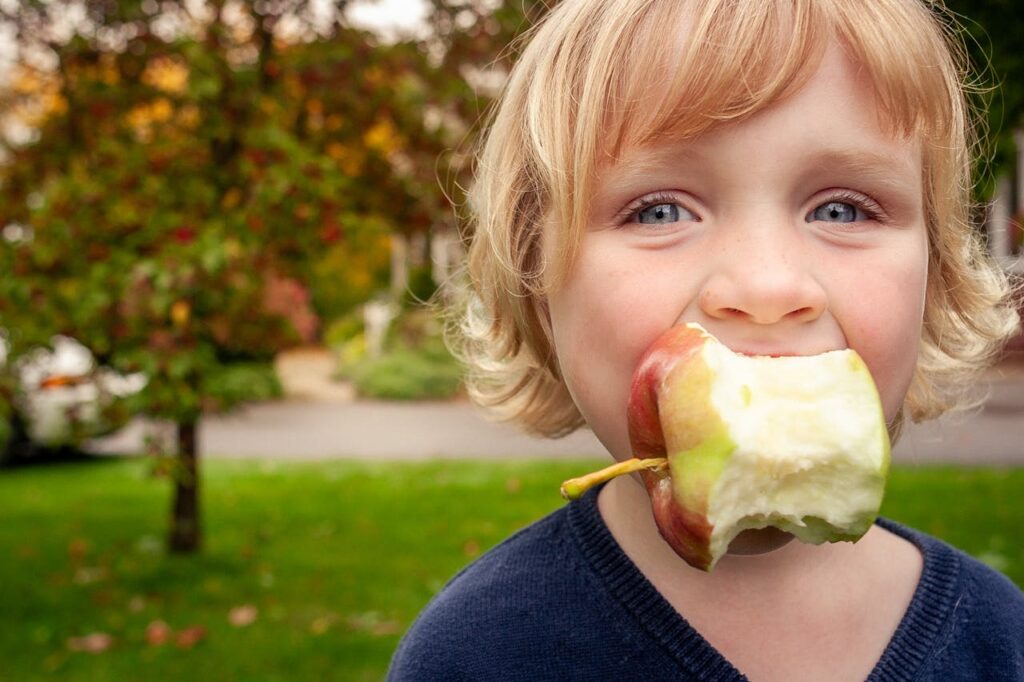
The Most Wonderful (and Trickiest) Time of the Year for Parents The holidays bring lights, laughter, and togetherness — but also overflowing plates, sugary treats, and unpredictable routines.For children, it’s a time of joy and indulgence. For parents, it can be a delicate balancing act between celebration and health. At Gentle Pediatrics, we know how important it is to help children enjoy the festive season without compromising their nutrition or overall well-being. The goal isn’t to say no to every cookie or slice of pie — it’s to teach moderation, mindful eating, and healthy choices that last well beyond December. As your trusted pediatrician in Sugar Land, we’ve compiled research-backed, real-world strategies to help parents navigate holiday meals confidently — supporting both your child’s health and your family’s holiday spirit. Why Holiday Nutrition Matters More Than You Think It’s easy to brush off the holiday season as a temporary break from routine, but nutrition during this period plays a surprisingly big role in children’s energy, immunity, and mood. The combination of sugar overload, reduced physical activity, and disrupted sleep schedules can make kids more prone to fatigue, irritability, and even illness.These shifts often spill over into January, leading to sluggish starts at school and weakened immune systems. As pediatricians, we’ve seen how quickly poor holiday eating habits can affect children — especially those who already have sensitivities, mild allergies, or sleep disruptions. In fact, our recent blog on How Digital Devices Are Changing Adolescent Sleep Patterns — And What Parents Can Do highlights how sleep and nutrition are deeply connected. Poor diet choices often make it even harder for kids to fall asleep and stay rested — especially when screens are involved. Understanding the Real Challenge: Not Just Food, but Environment Holiday meals are more than what’s on the plate — they’re tied to emotions, memories, and family traditions. Kids see adults celebrating with food, and they want to join in. That’s why simply restricting treats rarely works. Instead, the key is creating an environment where healthy choices are easy, enjoyable, and empowering. Children respond best to encouragement, not control. When parents model balance — choosing vegetables alongside desserts, staying active, and enjoying everything in moderation — kids naturally mirror that behavior. The Science Behind Holiday Cravings Why do kids crave sweets so much more during the holidays?Beyond the obvious — the abundance of cookies and candy canes — there’s a biological reason: sugar triggers dopamine release in the brain, creating feelings of joy and reward. During festive gatherings, this is amplified by emotional excitement, peer influence, and irregular routines.Understanding that your child’s cravings are a mix of biology and environment can help you respond with empathy rather than frustration. The Pediatrician’s Approach: Balance, Not Restriction At Gentle Pediatrics, we never recommend harsh dietary restrictions for kids — especially during emotionally charged times like holidays. Instead, we guide parents toward structured flexibility: Allow small indulgences without guilt. Balance treats with nutritious meals. Keep regular mealtimes as much as possible. Encourage hydration and physical movement throughout the day. These small shifts help children learn food balance, an essential life skill that protects them from developing unhealthy relationships with eating later in life. Smart Strategies for Healthy Holiday Eating Here are practical, pediatrician-approved strategies every parent can start using today: 1. Start the Day Right Holiday mornings often include sugary cereals or pastries — but a protein-rich breakfast can make all the difference.Eggs, Greek yogurt, or nut butter on whole-grain toast helps stabilize blood sugar and reduce cravings later in the day. A balanced breakfast also keeps energy levels steady, which is especially important when kids are off their usual schedule. 2. Don’t Skip Meals Skipping meals to “save room†for a big dinner often backfires. It leads to overeating and poor food choices later in the day.Encourage regular, balanced meals and snacks — even when you know there’s a feast coming. Maintaining a steady eating rhythm helps prevent spikes and crashes in energy and mood. 3. Make Hydration a Habit Dehydration often masquerades as hunger. Encourage your child to drink water throughout the day, especially during parties or travel.Limit sugary drinks like soda and fruit punch. If your child craves something festive, try fruit-infused water with slices of orange or mint for natural sweetness. 4. Watch Portion Sizes — Without Making a Scene Children don’t need large portions to enjoy holiday foods. Offer smaller servings first, allowing seconds only if they’re truly hungry. Instead of focusing on restriction, teach listening to the body: “If you’re full, it’s okay to stop. You can always have more later.†This simple conversation helps kids learn internal hunger cues — one of the best gifts you can give them for lifelong health. 5. Involve Kids in Meal Prep Children who participate in cooking are far more likely to eat what’s served.Let them help prepare salads, assemble fruit platters, or mix ingredients for healthier desserts. This not only encourages curiosity about food but also strengthens family bonds. It transforms eating from something done to them into something they’re proud to be part of. 6. Create Healthier Versions of Holiday Favorites You don’t have to skip family recipes. Simply make small swaps: Use olive oil instead of butter for roasting. Substitute applesauce for part of the sugar in baked goods. Choose lean proteins like turkey or fish instead of heavy red meats. These subtle adjustments preserve flavor while reducing excess fats and sugars. 7. Manage the Sugar Rush Sugar itself isn’t the villain — excess is.If your child enjoys sweets, space them out rather than allowing unrestricted access. Pair sugary foods with proteins or healthy fats to slow absorption and prevent sugar crashes. Example: Offer a cookie after dinner, not as a standalone snack. 8. Encourage Movement Physical activity is just as important as what’s on the plate.Plan family walks after meals, dance parties at home, or friendly games of tag in the yard. Exercise helps regulate metabolism, improve digestion, and keep spirits high. Navigating Holiday
Air Pollution’s Impact on Childhood Health — What the Latest Research Shows

As a parent, you want your child to thrive — growing strong, learning well, sleeping soundly, and enjoying robust health. But in today’s modern world, there are hidden threats to children’s health that go beyond diet, screen-time and viruses. Among the most pervasive is air pollution.At Gentle Pediatrics, we recognise that respiratory illnesses, allergies, developmental concerns and even sleep-disturbances often have roots that extend beyond isolated symptoms. One of the most significant environmental influences we now see is polluted air. In this article, we delve deeply into how air quality affects children — from infancy through adolescence — and what parents can do to protect their child’s health, development and well-being. We’ll explore: Why children are more vulnerable than adults to air pollution What the very latest research shows (2023-2025) about air pollution and childhood health How air pollution affects respiratory systems, brain and cognitive development, sleep, allergies, and long-term disease risk Practical, actionable guidance for families and paediatric practices How this ties in with connected issues such as sleep hygiene (see our article on how devices affect teen sleep) and allergies (see our blog on seasonal allergies in kids) Why visiting a pediatrician experienced in environmental health matters Our aim: equip parents with evidence-based insight and strategies so your child is not just surviving, but thriving in a world of environmental challenges. Why Children Are Uniquely Vulnerable to Air Pollution Children are not simply “small adults.†In the context of air pollutants, their biology, behaviour and exposure patterns put them at significantly elevated risk. Key reasons include: Higher inhalation per body-weight Children breathe more air relative to their body size than adults do. That means for every kilogram of body weight, they take in more pollutants when the ambient air is contaminated. Developing lungs, brain and immune systems Their lungs are still growing, brain structures are still forming, and the immune system is maturing. Pollutants can interfere with these developmental processes. For example, lung alveoli continue to form through childhood into early adolescence; if pollutants impede that growth, lifelong lung function may be compromised. More time outdoors, active play Children spend more time outdoors and engage in vigorous physical activity, increasing their inhalation of outdoor pollutants. Many younger children are less able to recognise or avoid heavy-pollution days. Longer future life-span Because children have more years ahead of them, exposure at an early age accumulates over time, and earlier damage may manifest later in life. In other words, early life exposure can “set the stage†for chronic disease decades later. Because of these factors, the paediatrician’s role expands beyond diagnosing asthma or allergies: we must advocate for environmental health, counsel families about air quality exposure, and integrate these considerations into wellness care. What the Latest Research Shows: Key Findings (2023-2025) In the last few years, research linking air pollution to childhood health has accelerated. Below are some of the most compelling findings that paediatricians and parents alike need to know. Respiratory and lung development impacts A recent study found that children exposed to elevated levels of fine particulate matter (PMâ‚‚.â‚…) and coarse particulate matter (PMâ‚â‚€) between ages 2-4 had a 15-30 % higher risk of reporting worse general health at age 17. The European Environment Agency notes that air pollution is associated with low birth weight, asthma, reduced lung function and increased respiratory infections in children and adolescents. Early-life exposure to traffic-related pollution and ultrafine particles has been linked with impaired lung-function growth during adolescence. These findings make clear: pollutants don’t just trigger acute symptoms — they alter growth trajectories. Neurodevelopment, cognition and brain health A 2025 study published in JAMA Network Open found during the prenatal period that exposure to fine particulate components (such as sulfate and ammonium) was statistically associated with increased risk of autism spectrum disorder (ASD). Another recent review highlighted that ambient air pollution in early childhood is linked to poorer cognitive development, including attention, memory and executive functioning. These insights underscore that air pollution affects more than lungs: it can disrupt brain development. Allergies, immune system and general wellness Children exposed to higher pollution levels demonstrate higher rates of allergies, eczema, and asthma. Pollution may influence immune-system programming, making children more prone to chronic inflammation, respiratory infections and sensitisation to allergens. Linking to our earlier blog on seasonal allergies in kids, you can see how poor air quality can worsen allergy severity, complicate management and reduce quality of life. Sleep, mood and broader developmental concerns While fewer studies focus exclusively on sleep and air pollution in children, evidence is emerging that environmental pollutants disrupt sleep quality, which in turn impacts mood, behaviour and cognitive performance. For families who have followed our blog on how digital devices are changing adolescent sleep patterns, you’ll recognise how intertwined these risk factors are: polluted air, digital over-stimulation, and inadequate sleep create a “triple-threat†to adolescent wellness. Socio-economic and environmental justice dimensions The UCL study from 2025 pointed out that children in disadvantaged neighbourhoods and ethnic minority families were exposed to higher levels of pollution, and the health penalties persisted across childhood. The United Nations Children’s Fund (UNICEF) reports that in 2021, exposure to air pollution was linked to over 700,000 deaths of children under five, making air pollution the secondâ€leading global risk factor for death in that age group. This emphasizes that paediatric health must include an equity lens: environmental exposures are not uniformly distributed. The Mechanisms: How Pollutants Damage Child Health Understanding how pollutants cause damage gives perspective on why early exposure matters and what can be done. Fine particulate matter (PMâ‚‚.â‚…, PMâ‚â‚€) These tiny particles penetrate deep into the airways, cross into the bloodstream, trigger oxidative stress and inflammation, and even reach the placenta or fetal brain. They impair lung growth, interfere with neurodevelopment and may accelerate vascular damage. Gaseous pollutants (Ozone, NOâ‚‚, SOâ‚‚) Ground-level ozone and nitrogen dioxide (NOâ‚‚) are generated from traffic, industrial emissions and chemical reactions in sunlight. These irritate airways, reduce lung-function growth and induce systemic inflammation. Ultrafine particles & volatile