

Why Is My Child Always Tired? Pediatric Causes Parents Should Know
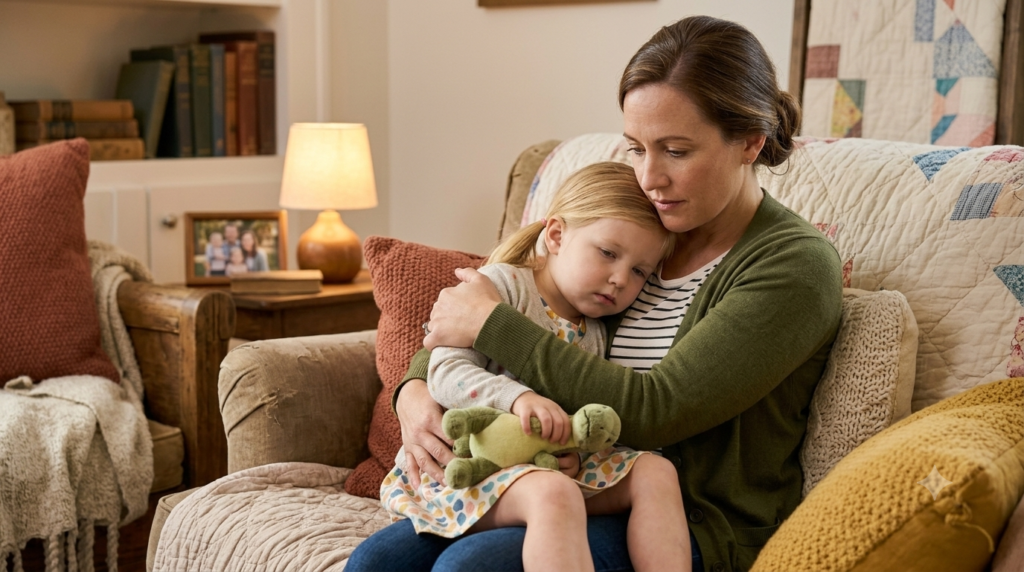
Quick Answer: If your child is always tired, the cause may be simple, such as not getting enough sleep, poor sleep quality, an unbalanced diet, dehydration, or recovery from an illness. Stress, anxiety, iron deficiency, sleep apnea, thyroid problems, diabetes, and other medical conditions can also contribute. If fatigue persists, worsens, affects daily activities, or occurs with symptoms like weight loss, breathing problems, dizziness, or persistent fever, consult your pediatrician for evaluation. Children are busy growing, learning, playing, and exploring the world. So, it is normal for them to feel tired after a long day. But when your child seems tired all the time, sleeps more than usual, avoids activities, or struggles to stay focused, you may begin to worry. This is why parents often have a question: “Is my child just not getting enough sleep, or could something else be causing this?” The answer depends on the child’s age, sleep habits, daily routine, diet, emotional health, and other symptoms. Tiredness is common and often has a simple cause. However, ongoing fatigue can sometimes be a sign of a medical condition that needs evaluation. As a board-certified pediatrician with more than two decades of experience, when a parent tells me their child is always tired, I look at the complete picture rather than focusing on tiredness alone. Here, I will break down the common reasons your child may feel exhausted all the time. Is It Normal for Children to Feel Tired? Some tiredness is expected. Children may feel sleepy after school, sports, travel, illness, or a busy family event. Temporary fatigue can also occur after emotional stress or a few nights of poor sleep. It is important to understand the difference between sleepiness and fatigue. Sleepiness means a child feels the need to sleep. Fatigue is more about low energy, reduced motivation, or difficulty completing normal activities. These symptoms can overlap, but they may point to different causes. A child who is tired after a late night may improve after returning to a regular sleep schedule. A child who remains exhausted despite adequate sleep deserves closer attention. How Much Sleep Does My Child Need? One of the first things I review is whether the child is getting enough sleep for their age. The American Academy of Sleep Medicine recommends the following total sleep amounts during a 24-hour period, including naps for younger children: Infants 4 to 12 months: 12 to 16 hours Children 1 to 2 years: 11 to 14 hours Children 3 to 5 years: 10 to 13 hours Children 6 to 12 years: 9 to 12 hours Teenagers 13 to 18 years: 8 to 10 hours Children who regularly sleep less than these recommended amounts may have problems with attention, behavior, learning, mood, and overall health. A child may also spend enough time in bed but still have poor-quality sleep. Frequent waking, loud snoring, breathing problems, nightmares, restless legs, or an inconsistent schedule can interfere with restorative sleep. Common Reasons Your Child May Always Feel Tired 1. Not Getting Enough Sleep This is one of the most common causes of daytime tiredness. School-age children may have homework, sports, activities, and family responsibilities. Teenagers may stay up late studying, using phones, playing video games, or communicating with friends. A late bedtime combined with an early school start can leave a child chronically short on sleep. Parents can help by: Keeping a consistent bedtime and wake-up time Limiting screens before bed Creating a quiet, dark, comfortable bedroom Avoiding caffeine in the afternoon and evening Keeping weekends from becoming completely different sleep schedules The American Academy of Pediatrics (AAP) recommends a regular bedtime routine and encourages families to keep screens, including phones and televisions, out of children’s bedrooms when possible. 2. Poor Sleep Quality A child may appear to sleep for many hours but still wake up tired. One possible reason is obstructive sleep apnea. This condition occurs when the airway becomes partly or fully blocked during sleep, causing breathing to stop and start. Enlarged tonsils or adenoids are common causes in children. Watch for: Loud or frequent snoring Mouth breathing during sleep Pauses in breathing Gasping or choking sounds Restless sleep Morning headaches Dry mouth Daytime sleepiness Trouble paying attention Irritability or behavior changes Children do not always look sleepy when they have sleep apnea. Some younger children become unusually active, restless, or difficult to manage during the day. If you notice regular snoring or breathing pauses, tell your pediatrician. A sleep study may be recommended to understand what is happening during sleep. 3. Iron Deficiency or Anemia Iron helps the body make hemoglobin, a protein in red blood cells that carries oxygen. When a child does not have enough iron, they may become tired, weak, irritable, pale, or less interested in normal activities. Iron deficiency can occur during periods of rapid growth. It may also be related to a diet low in iron-rich foods, excessive milk intake in younger children, or blood loss. In teenagers who menstruate, heavy periods can increase the risk. Other possible signs include: Headaches Dizziness Shortness of breath during activity Poor concentration Pale skin or lips Craving ice, dirt, paper, or other nonfood items The American Academy of Pediatrics identifies progressive fatigue, pallor, dizziness, shortness of breath, and pica as symptoms that may require assessment for iron deficiency or iron-deficiency anemia. Parents should not begin iron supplements without medical advice. Too much iron can be harmful, and the correct treatment depends on the child’s age, symptoms, diet, and laboratory results. 4. An Unbalanced Diet Children need enough calories and nutrients to support growth, school, physical activity, and brain development. A child who skips breakfast, eats very few foods, follows a restrictive diet, or relies heavily on processed snacks may not receive enough iron, protein, vitamin B12, or other nutrients. This does not mean every tired child has a nutritional deficiency. But diet is an important part of the history I take during an evaluation. Try to offer balanced meals that include: Fruits and
Why Does My Child Keep Catching Colds? Possible Reasons Explained

Quick Answer: Frequent colds are usually a normal part of childhood, especially for children in daycare, school, or with siblings. Kids can catch different viruses before fully recovering from the previous one. However, allergies, asthma, or other health conditions can sometimes mimic repeated colds. Most children recover normally without complications. Talk to a pediatrician if infections are unusually severe, prolonged, recurrent, or linked to breathing problems, poor growth, dehydration, or persistent fever. Good hygiene, vaccinations, sleep, nutrition, and avoiding smoke can help reduce illness. If your child seems to have a runny nose, cough, or sore throat every few weeks, you may start wondering, “Why is my child always sick?” I hear this concern from many parents. It can be frustrating when your child finally gets better, returns to school or daycare, and then comes home with another cold. The good news is that frequent colds are often a normal part of childhood. Children are exposed to many different viruses, especially when they attend daycare or school or have older siblings at home. When a parent tells me their child “keeps getting sick,” I look at the entire pattern rather than counting colds alone. Sometimes frequent colds are simply part of growing up. In other cases, symptoms that look like repeated colds may actually be allergies, asthma, or another condition that deserves attention. This guide breaks down the possible reasons your child keeps catching cold. How Many Colds Are Normal for a Child? There is no single number that applies to every child. Healthy children commonly have several respiratory infections each year. The American Academy of Pediatrics (AAP) notes that most children have around 8 to 10 colds during their first two years, while other AAP guidance notes that children may have about 6 to 8 respiratory infections each year. That can sound like a lot to parents. The reason is simple. There are many different viruses that cause cold symptoms. Developing immunity to one virus does not protect your child from every other virus. A typical cold may cause: Runny or stuffy nose Sneezing Cough Sore throat Mild fever Tiredness Decreased appetite Most children recover without complications. Why Does My Child Keep Catching Colds? There are several common reasons. 1. Your Child Is Around Other Children Daycare and school are major places where respiratory viruses spread. Young children touch toys, tables, playground equipment, and other surfaces. They also frequently touch their eyes, nose, and mouth. This makes it easy for viruses to move from one child to another. Children who are in their first year of group childcare may have substantially more respiratory illnesses than children cared for at home without regular exposure to other children. This does not mean daycare is unhealthy for children. It means your child is being exposed to more viruses. 2. Your Child Has Siblings Older brothers and sisters can bring viruses home from school, sports, or other activities. Even if your younger child stays home during the day, they may still be exposed to respiratory viruses through family members. This is especially common when several children in the household attend different schools or activities. 3. Your Child Is Still Building Immunity A young child’s immune system is learning how to respond to many different germs. Every time your child encounters a new virus, the immune system has an opportunity to recognize and respond to it. This is one reason respiratory infections are so common during the early years. Frequent mild illnesses do not automatically mean that your child’s immune system is weak. 4. One Cold May Seem Like Another This is something parents sometimes find surprising. A cold can last for a while. The CDC says colds usually last less than a week, while pediatric guidance notes that some cold symptoms, especially cough or nasal symptoms, can continue for two to three weeks. Imagine that your child develops a cold in early September. The cough lasts another couple of weeks. Then your child catches another virus at school. It can seem like the first cold never ended. This is especially common during periods when respiratory viruses are circulating widely. 5. It May Not Be a Cold at All Sometimes what looks like repeated colds is actually an allergy. Allergies can cause: Sneezing Runny nose Nasal congestion Cough Watery or itchy eyes Throat irritation Unlike a cold, allergies can continue for weeks or months when a child remains exposed to a trigger. The AAP notes that colds generally improve and resolve, while allergies can persist. Frequent sneezing, especially in rapid bursts, itchy eyes, and symptoms without fever may point more toward allergies than a viral infection. If your child’s symptoms seem to follow a seasonal pattern or occur around pets, dust, pollen, or other triggers, tell your pediatrician. 6. Asthma Can Sometimes Look Like Repeated Colds Some children develop coughing or wheezing whenever they get a respiratory infection. Others may continue coughing long after the other cold symptoms have disappeared. Asthma can sometimes be mistaken for repeated respiratory infections because viral illnesses can trigger asthma symptoms. Pay attention if your child repeatedly has: Wheezing Chest tightness Shortness of breath Coughing at night Coughing during exercise Prolonged cough after a cold These symptoms deserve a conversation with your pediatrician. A child with asthma or a history of breathing problems may also need closer monitoring when they develop respiratory symptoms. When Should I Be Concerned About Frequent Colds? The number of colds is only one part of the picture. I become more concerned when infections are unusually severe, last much longer than expected, cause repeated complications, or interfere significantly with a child’s growth and daily life. Parents should speak with their pediatrician if their child has: Repeated pneumonia Frequent serious sinus or ear infections Infections that require repeated or prolonged treatment Unusual infections Persistent fever Poor weight gain or growth Persistent diarrhea Recurrent thrush Repeated infections that become more severe over time Symptoms that do not improve as expected Frequent infections alone do not
My Child Is 18 Months Old and Not Walking Yet: Should I Be Worried?
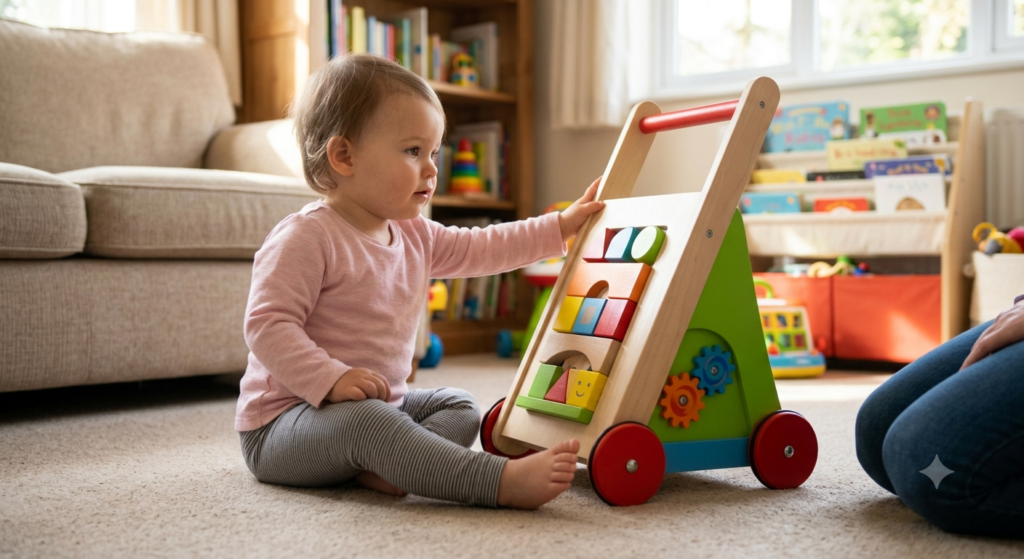
Quick Answer: If your 18-month-old is not walking independently, it is worth discussing with your pediatrician, although it does not automatically mean something is seriously wrong. Children develop at different rates, but walking is an important 18-month milestone. A developmental evaluation can check motor skills, communication, social interaction, strength, balance, and coordination. Seek prompt medical attention if your child loses previously acquired skills, cannot bear weight, seems unusually stiff or floppy, or has delays in multiple developmental areas. Watching your child take those first steps is a special moment. Some children walk early, while others take their time. So when a child reaches 18 months and is still not walking independently, it is understandable for parents to feel worried. At my practice, I often hear questions such as, “Is my child just a late walker?” or “Should I have my child evaluated?” The short answer is that not walking independently by 18 months is worth discussing with your pediatrician. However, it does not automatically mean that something is seriously wrong. Children develop at different rates, but walking is an important developmental milestone, and a medical evaluation can help determine whether your child simply needs more time or whether additional support would be helpful. As a board-certified pediatrician with more than two decades of experience caring for infants, children, and adolescents, my approach is always to look at the whole child rather than one milestone by itself. What Is Expected at 18 Months? Developmental milestones are skills that most children, meaning at least 75%, can do by a certain age. According to the CDC’s current 18-month milestone checklist, most children by this age can walk without holding onto another person or an object. Walking is only one part of development, though. At 18 months, I also look at a child’s: Language and communication Social interaction Fine motor skills Problem-solving Ability to follow simple directions Ability to play Balance and coordination Overall growth and health For example, the CDC lists trying to say three or more words besides “mama” or “dada,” following a one-step direction, scribbling, feeding themselves with their fingers, and climbing on and off a chair or couch without help among 18-month milestones. This broader picture is important. A toddler who is not walking but is otherwise developing well may have a different situation from a child who has delays in several areas. Should I Be Worried if My 18-Month-Old Is Not Walking? You should not worry if your 18-month-old is not walking, but you also should not simply ignore it. The CDC specifically advises parents to talk with their child’s doctor if the child is not meeting one or more milestones, has lost skills they previously had, or if the parent has other developmental concerns. Not walking at 18 months can have many possible explanations. Some children are simply later to develop certain motor skills. Others may have difficulty with muscle strength, balance, coordination, joint movement, or another aspect of physical development. Sometimes a child has a broader developmental delay that becomes more noticeable around this age. The purpose of an evaluation is not to label your child. It is to understand what is happening. Why Does My Child Still Not Walk? There is no single reason why an 18-month-old may not be walking. Possible factors can include: 1. Normal Variation in Development Children do not all reach milestones on the exact same day. Some toddlers walk early, while others take longer. A child’s temperament and opportunities to practice movement can also influence how quickly certain skills emerge. However, because walking independently is an expected 18-month milestone, a child who is not walking at this age deserves a conversation with their pediatrician. 2. Delayed Motor Development Some children have a delay in gross motor skills. Gross motor skills involve larger movements such as sitting, standing, walking, running, and climbing. A pediatrician may look at the child’s history and current abilities to determine whether the delay appears isolated or whether other developmental areas are also affected. The American Academy of Pediatrics (AAP) recommends developmental surveillance during every health supervision visit and standardized developmental screening at 9, 18, and 30 months. 3. Muscle Strength or Coordination Problems Walking requires strength and coordination in the legs, hips, trunk, and feet. A child may be able to stand while holding onto furniture but have difficulty balancing without support. During an examination, I may observe how the child sits, stands, reaches, bears weight, moves from one position to another, and uses both sides of the body. These observations can provide useful clues. 4. Premature Birth If your child was born prematurely, developmental progress may need to be considered using corrected age during the early years. The CDC advises using corrected age for children born more than three weeks prematurely when checking its milestone checklist. This is one reason I always ask about pregnancy, birth history, and whether a child was born early. What Other Signs Should Parents Watch For? Not walking is more concerning when it occurs along with other developmental differences. Talk with your pediatrician if your 18-month-old also: Has lost a skill they previously had Does not appear to use both sides of the body normally Has difficulty sitting or standing Does not bear weight on their legs Seems unusually stiff or unusually floppy Does not point to show you something interesting Has very limited communication Does not follow simple directions Does not engage in age-appropriate play Does not seem to respond to familiar people or sounds Has difficulty using their hands for simple activities Loss of previously acquired skills is particularly important. The CDC advises parents to tell their child’s doctor if a child loses skills they once had. Parents should not wait for a routine appointment if a child experiences a sudden loss of movement or other sudden neurological symptoms. Does Not Walking Mean My Child Has Autism? No. Not walking at 18 months does not by itself mean that a child has autism. Autism involves differences