

Newborn Checkups vs Well-Child Visits: What Is the Difference?
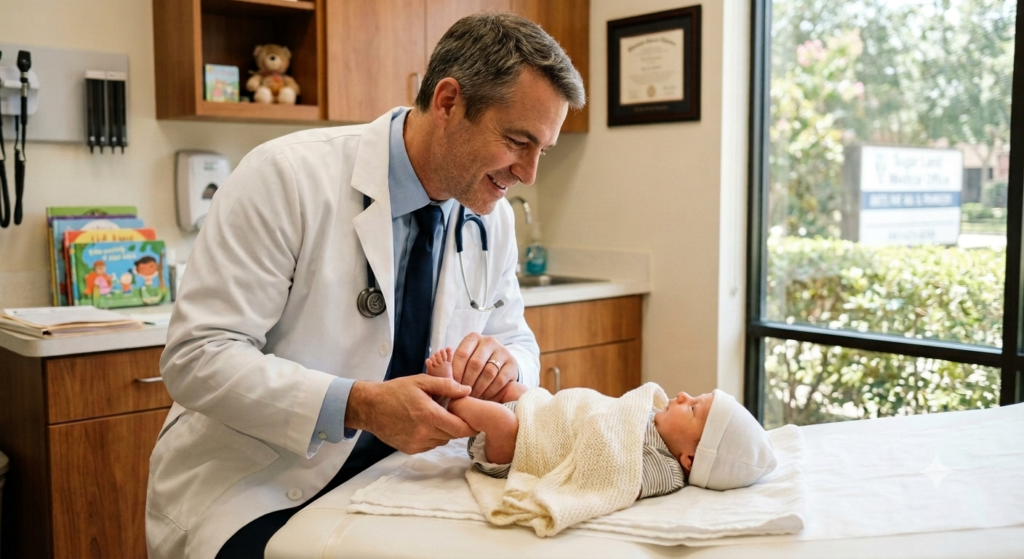
Quick Answer: Newborn checkups and well-child visits both support your child’s health, but their focus changes with age. Newborn checkups, typically during the first days and weeks, focus on feeding, weight, hydration, jaundice, newborn screenings, safe sleep, and adjustment after birth. Well-child visits continue throughout childhood and adolescence, focusing on growth, development, nutrition, behavior, immunizations, safety, and age-specific screenings. Regular preventive visits help identify concerns early and support healthy development at every stage. Bringing a new baby home is an exciting experience, but it can also come with many questions. Parents often wonder how often their baby needs to see a pediatrician, what happens during a newborn checkup, and how these visits are different from regular well-child visits. The short answer is that newborn checkups focus heavily on the baby’s adjustment to life outside the womb, feeding, weight, jaundice, screening results, and the health of both the baby and family. Well-child visits continue this care as the child grows, with increasing attention to development, behavior, prevention, immunizations, and age-specific health concerns. As a board-certified pediatrician with more than two decades of experience caring for infants, children, and adolescents, I understand how many questions parents have during the first months of a baby’s life. The early weeks are an important time for establishing healthy routines and identifying concerns before they become more serious. This guide explains the difference between newborn checkups and well-child visits and what parents can expect from each. What Is a Newborn Checkup? A newborn checkup is an early medical visit designed specifically for babies during the first days and weeks of life. The American Academy of Pediatrics (AAP) recommends that healthy newborns have an initial follow-up visit within 48 to 72 hours after leaving the hospital, or around 3 to 5 days after birth. The exact timing may vary depending on the baby’s health, feeding, birth history, and individual needs. This early visit is important because several newborn health concerns can become apparent after leaving the hospital. These may include: Feeding difficulties Excessive weight loss Dehydration Jaundice Signs of infection Problems that were not obvious during the initial newborn examination A newborn checkup gives parents an opportunity to ask questions while allowing the pediatrician to assess how the baby is adjusting at home. What Happens During a Newborn Checkup? During a newborn visit, I look at both the baby’s physical health and the family’s adjustment to caring for a newborn. The visit may include: 1. Checking Weight and Growth Newborns normally lose some weight after birth. However, the amount of weight loss and the baby’s feeding pattern need to be considered carefully. I evaluate the baby’s weight and compare it with previous measurements to determine whether feeding and hydration appear appropriate. 2. Evaluating Feeding Feeding is one of the biggest concerns for new parents. I may ask: How often is the baby feeding? Is the baby breastfeeding or taking formula? How long are feeding sessions? Does the baby seem satisfied after feeding? Are there difficulties with latching or feeding? How many wet and dirty diapers does the baby have? These details can provide useful information about whether the baby is receiving enough nutrition. 3. Checking for Jaundice Jaundice causes a baby’s skin or eyes to appear yellow. Some jaundice is common in newborns, but bilirubin levels and the baby’s age and overall health help determine whether additional monitoring or treatment is needed. The early follow-up visit provides an important opportunity to assess jaundice and review any relevant hospital test results. 4. Reviewing Newborn Screening Newborn screening helps identify certain conditions that may not be obvious from a physical examination. Depending on the screening program and location, newborn screening can include blood testing, hearing screening, and pulse oximetry screening for certain critical congenital heart conditions. I review available results with parents and explain whether any additional testing or follow-up is needed. What Are Well-Child Visits? Well-child visits are routine preventive appointments that continue throughout childhood and adolescence. These visits are not only for sick children. The American Academy of Pediatrics’ Bright Futures recommendations provide a schedule of preventive visits and age-specific screenings from infancy through adolescence. The purpose is to monitor your child’s health over time and identify potential concerns early. As children grow, their needs change. A visit for a 2-month-old baby is very different from a visit for a 5-year-old child or a teenager. That is why well-child care changes as your child develops. When Do Well-Child Visits Begin? Newborn visits are actually part of the broader preventive care process. After the initial newborn and first-week visits, the AAP schedule includes visits at approximately: 1 month 2 months 4 months 6 months 9 months 12 months 15 months 18 months 24 months 30 months After age 3, preventive visits generally continue annually through childhood and adolescence. The exact schedule may be adjusted based on your child’s individual health needs. What Happens During a Well-Child Checkup? Well-child visits become broader as children grow. During these appointments, I may evaluate: Height and weight Growth patterns Physical development Developmental milestones Nutrition Sleep Behavior School performance Emotional well-being Vision and hearing when appropriate Oral health Immunizations Safety concerns Family and social factors The goal is not simply to determine whether your child is sick. It is to support healthy growth and development. Newborn Checkup vs Well-Child Checkup: Key Differences The easiest way to understand the difference is to think about the child’s stage of development. Newborn Checkup The main focus is: Adjustment after birth Feeding Weight Hydration Jaundice Newborn screening Physical examination Safe sleep Infant care Parent questions and concerns Well-Child Checkup Well-Child Checkup The focus expands to: Growth Development Immunizations Nutrition Sleep Behavior Learning Emotional health Safety Age-specific screenings Preventive health Both types of visits are important. One does not replace the other. Why Are Early Newborn Visits So Important? The first few days can bring rapid changes. A baby may appear healthy in the hospital but develop feeding problems, increasing jaundice, or dehydration after going home. That
How Can Parents Recognize Early Signs of Health Problems in Children?
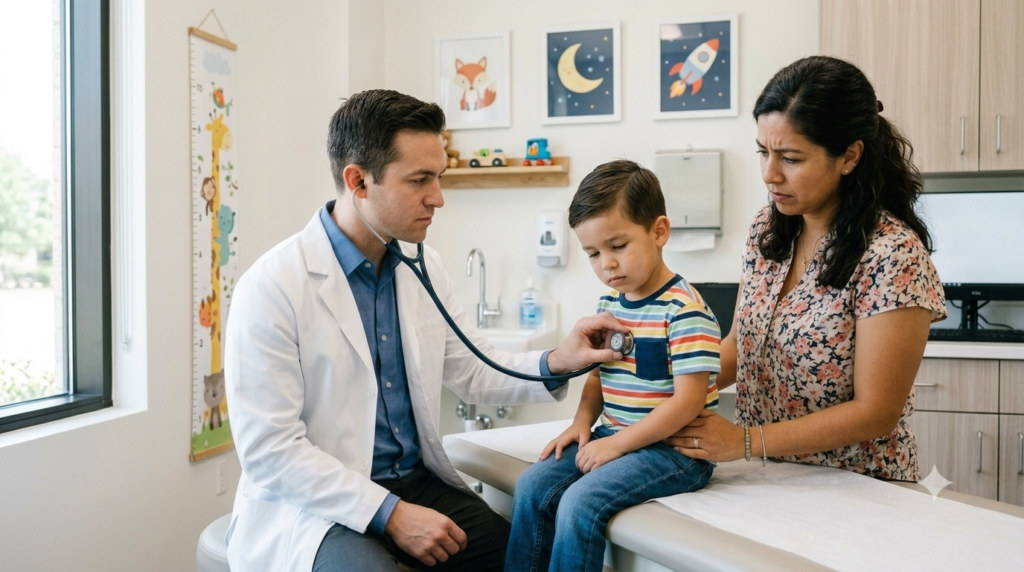
Quick Answer: Parents should pay attention to persistent or unusual changes in their child’s energy, appetite, sleep, behavior, development, growth, breathing, bathroom habits, or pain. While occasional changes are normal, symptoms that persist, worsen, or occur alongside other concerns should be discussed with a pediatrician. Seek emergency care for severe breathing problems, seizures, loss of consciousness, serious injuries, severe allergic reactions, or major changes in alertness. Trust your instincts and seek professional guidance when something feels unusual. As parents, you know your child better than anyone. You notice when your child is more tired than usual, stops eating normally, becomes unusually quiet, or starts behaving differently. Sometimes these changes are temporary and resolve on their own. Other times, they can be early signs that something needs medical attention. One of the most important parts of pediatric care is recognizing meaningful changes early. As a board-certified pediatrician with more than two decades of experience caring for infants, children, and adolescents, I encourage parents not to ignore changes that persist, worsen, or seem unusual for their child. Early recognition does not mean assuming the worst. It means paying attention, asking questions, and knowing when to speak with your child’s healthcare provider. This guide explains some early signs parents should watch for and when it may be appropriate to seek professional care. Why Is Early Recognition Important? Children cannot always explain how they feel. A young child may not have the words to describe pain, weakness, dizziness, or emotional distress. Even older children and teenagers may hide symptoms because they do not want to miss school, sports, or time with friends. That is why changes in everyday behavior can sometimes provide important clues. Parents should pay attention to changes in: Eating and drinking Sleep Energy levels Behavior School performance Physical activity Mood Growth Bathroom habits Speech or development A single unusual day is usually not a reason for alarm. The concern increases when a change is persistent, significant, or accompanied by other symptoms. Watch for Changes in Your Child’s Energy Children naturally have different energy levels from day to day. However, ongoing fatigue or a noticeable reduction in activity deserves attention. For example, a child who normally enjoys playing outside but suddenly spends most of the day lying down may be experiencing more than ordinary tiredness. Persistent low energy can have many possible causes, including poor sleep, stress, nutritional concerns, infections, or other medical conditions. I encourage parents to look at the overall pattern rather than focusing on one symptom. Ask yourself: Has this been happening repeatedly? Is my child sleeping more than usual? Are they avoiding activities they normally enjoy? Has their school performance changed? Are there other symptoms? If the change continues, discuss it with a healthcare professional. Pay Attention to Changes in Appetite or Weight Children’s appetites can change. Some days they eat more, while other days they eat less. This can be completely normal. However, a significant or persistent change may deserve evaluation. Parents should take note if a child: Consistently refuses meals Suddenly loses interest in food Has difficulty swallowing Frequently complains of stomach pain Loses weight without an obvious reason Is not growing as expected Growth is an important part of pediatric health. During routine visits, I monitor a child’s growth over time rather than relying on a single measurement. Looking at growth patterns can help identify concerns that may otherwise be difficult for parents to notice. Look for Persistent Changes in Thirst or Urination Changes in bathroom habits can sometimes provide important clues about a child’s health. For example, parents may notice that a child is suddenly: Drinking much more than usual Urinating frequently Waking repeatedly at night to urinate Having new daytime accidents Experiencing pain while urinating Suddenly returning to bed-wetting after being consistently dry There are many possible explanations for these symptoms. However, persistent excessive thirst and frequent urination should not simply be ignored. If you notice a significant change in your child’s normal bathroom pattern, contact your pediatrician for guidance. Notice Breathing Changes Breathing problems are another symptom parents should take seriously. Children may develop temporary breathing changes during colds or respiratory infections. But difficulty breathing, rapid breathing, or persistent breathing problems require medical attention. Watch for signs such as: Breathing much faster than usual Working hard to breathe Ribs pulling inward with each breath Persistent wheezing Difficulty speaking or crying because of breathing problems Bluish or gray lips or face Severe shortness of breath If your child is struggling to breathe, seek emergency medical care immediately. For less urgent but persistent breathing concerns, a child doctor in Sugar Land can evaluate your child’s symptoms and determine whether further testing or treatment is needed. Persistent Pain Should Not Be Ignored Children experience occasional aches and pains. Minor pain after an active day or a small injury may improve with rest. The concern is different when pain is persistent, severe, recurrent, or interferes with normal activities. Parents should discuss ongoing pain with a healthcare provider if their child repeatedly complains about: Headaches Stomach pain Joint pain Back pain Chest discomfort Leg pain Pain that wakes them from sleep It is helpful to keep track of when the pain occurs, where it occurs, how long it lasts, and whether anything makes it better or worse. This information can help your child’s healthcare provider understand the pattern. Pay Attention to Changes in Behavior or Mood Physical health is only one part of a child’s well-being. Emotional and behavioral changes can also be important. A child who becomes unusually withdrawn, irritable, anxious, fearful, or angry may be experiencing emotional stress or another concern that deserves attention. Parents may notice: Loss of interest in favorite activities Social withdrawal Frequent irritability Changes in sleep Changes in appetite Difficulty concentrating Declining school performance Persistent sadness Increased anxiety Teenagers may be especially reluctant to discuss emotional concerns. Create an environment where your child feels comfortable talking without fear of judgment. If mood or behavior changes are persistent or concerning,
How To Find Out If My Child’s Sports Injury Is Serious: Explained

Quick Answer: Most childhood sports injuries are minor, but severe or worsening pain, significant swelling, inability to walk or use an injured body part, bone tenderness, deformity, or persistent symptoms should be medically evaluated. Children can also experience fractures, growth-plate injuries, and concussions that may not be immediately obvious. After a suspected concussion, remove your child from play and seek medical evaluation. When in doubt, stop activity and consult a pediatric healthcare professional rather than encouraging your child to play through the injury. Seeing your child get hurt during a game or practice can be frightening. Parents often ask me the same question: “How do I know if this is something minor or something that needs medical attention?” Not every sports injury is serious. Children commonly experience sprains, strains, bruises, and other minor injuries. However, some injuries require prompt evaluation, particularly when there is severe pain, inability to use the injured body part, significant swelling, deformity, or symptoms after a head injury. As a board-certified pediatrician with more than two decades of experience caring for children and adolescents, I encourage parents to pay attention to how the injury happened, how severe the symptoms are, and how the child is functioning afterward. This guide explains what parents should look for and when a sports injury should be evaluated by a healthcare professional. What Are the Most Common Sports Injuries in Children? Children and teenagers can experience many different sports injuries. Some of the most common include: Sprains Muscle strains Bruises Joint injuries Growth-plate injuries Stress injuries Fractures Concussions Sprains affect ligaments, while strains involve muscles or tendons. Growth-plate irritation and stress fractures can also occur in young athletes, particularly when the body is exposed to repetitive stress. The type of injury matters, but so does the child’s age. Children are still growing, and their bones and growth plates are different from those of adults. Some injuries that look like simple sprains can actually involve a growth plate and require medical evaluation. When Is a Sports Injury Probably Minor? Some injuries can initially be managed with rest and observation when the child is otherwise comfortable and able to use the affected body part normally. A minor injury may involve: Mild soreness A small bruise Mild swelling Temporary discomfort Pain that improves with rest Normal movement despite mild discomfort For a minor injury, parents can generally allow the child to rest and monitor symptoms. However, improvement matters. If pain or swelling continues, gets worse, or prevents the child from participating in normal activities, the injury should be evaluated. Does Severe Pain Mean the Injury Is Serious? Severe pain is an important warning sign. If your child immediately experiences intense pain after a fall, collision, twist, or impact, do not encourage them to continue playing. The same applies if pain remains severe after the child stops playing. Children sometimes try to hide pain because they do not want to leave a game or disappoint their teammates. Teenagers may also worry about losing their position on a team. As a parent, it is important to take their symptoms seriously. Pain that is severe, worsening, or associated with difficulty moving the injured area deserves medical evaluation. What If My Child Cannot Put Weight on the Injury? This is one of the most useful signs parents can watch for. If your child injures their leg, ankle, knee, or foot and cannot comfortably stand or walk afterward, they should be evaluated. Similarly, an arm or hand injury that prevents normal use may require medical attention. A child does not necessarily need to have dramatic swelling or a visible deformity to have a significant injury. In growing children, tenderness directly over a bone can be important even when swelling is minimal. The American Academy of Pediatrics recommends further evaluation when a growing child has point tenderness over a bone. When Could a Sports Injury Be a Fracture? A fracture means that a bone has broken. Signs that may suggest a fracture include: Significant pain Swelling Bruising Tenderness directly over a bone Difficulty using the affected limb Inability to walk normally An abnormal shape or position Pain that worsens with movement Some fractures are obvious. Others are much harder to recognize. Children and teenagers can also experience growth-plate injuries because their bones are still developing. These injuries can sometimes resemble sprains. That is why I do not recommend assuming that every painful ankle or wrist injury is “just a sprain.” What Are Growth-Plate Injuries? Growth plates are areas of developing tissue near the ends of children’s bones. They help bones grow as children develop. Because growth plates are still developing, they can be vulnerable to certain injuries. In teenagers, the muscle-tendon structures can sometimes exert enough force to injure the growth center where they attach. This is one reason sports injuries in children should not always be evaluated using the same assumptions we might use for adults. If your child’s pain is concentrated directly over a bone or near a joint after an injury, medical evaluation may be appropriate. What If My Child Has a Lot of Swelling? Swelling can occur with many sports injuries, including bruises, sprains, and fractures. Mild swelling is not necessarily an emergency. However, significant swelling, especially when combined with severe pain or inability to move the affected area normally, should be evaluated. Parents should also pay attention to how quickly the swelling appeared and whether it continues to increase. If the injured area looks significantly different from the other side of the body, do not encourage your child to continue playing. What About a Head Injury or Concussion? Head injuries deserve special attention. A concussion is a type of traumatic brain injury that can occur after a bump, blow, or jolt to the head or body. Symptoms can sometimes appear immediately, but they may also develop later. Possible concussion symptoms include: Headache Dizziness Nausea Balance problems Blurred or double vision Sensitivity to light or noise Confusion Difficulty concentrating Memory problems Feeling sluggish or foggy